May 6, 2026

crypto

Crypto unicorn meaning sets the stage for this enthralling narrative, offering readers a glimpse into a story that is rich in detail and brimming with originality from the outset.

In the rapidly evolving world of blockchain and cryptocurrency, the term “crypto unicorn” has emerged as a significant benchmark for success. It refers to privately held cryptocurrency-related companies valued at over $1 billion, showcasing the immense potential and influence of these entities in the financial landscape. Understanding what defines a crypto unicorn involves looking at its characteristics, impact, and the factors contributing to its rise within the industry.

Definition of Crypto Unicorn

Crypto unicorn refers to privately held cryptocurrency-related companies that have achieved a valuation of over $1 billion. This term holds significant importance in the blockchain industry as it showcases the rapid growth and potential of the cryptocurrency market. Companies that are classified as crypto unicorns typically lead in innovation, user adoption, and market share, significantly impacting the overall ecosystem. Prominent examples of crypto unicorns include giants like Coinbase, Binance, and BlockFi.

These companies have not only disrupted traditional financial services but have also set the stage for future innovations within the sector. To qualify as a unicorn, a cryptocurrency-related company must generally meet specific criteria, including a valuation exceeding $1 billion, significant investment backing, and a demonstrable impact on the market or technology.

Characteristics of Crypto Unicorns

Crypto unicorns share several common characteristics that set them apart in the industry. They often exhibit rapid growth trajectories, substantial user bases, and advanced technological infrastructure. Unlike traditional unicorns, which may rely on established business models, crypto unicorns thrive on innovation and adaptability, often pivoting in response to market changes.Key features that make a company a crypto unicorn include:

  • Innovative Technology: A focus on blockchain solutions that enhance security, transparency, and efficiency.
  • Large Funding Rounds: Significant venture capital investment that signals confidence from investors.
  • Strong Market Presence: A sizeable user base and a prominent role in the cryptocurrency ecosystem.
  • Global Reach: Ability to operate across various regulatory environments and markets.

When comparing crypto unicorns to traditional unicorns, the differences in growth rates and valuation are pronounced. Crypto unicorns often experience exponential growth fueled by market demand and technological advancements, while traditional unicorns typically follow steadier growth patterns.

Factors Contributing to the Rise of Crypto Unicorns

The emergence of crypto unicorns can be attributed to several market trends. The increasing acceptance of cryptocurrencies as a legitimate asset class has led to a surge in investments and innovations. Factors such as the growing interest in decentralized finance (DeFi) and non-fungible tokens (NFTs) have also played a significant role in shaping the landscape of crypto unicorns.Investment patterns reflect a significant influx of capital towards blockchain technologies.

Venture capital firms are increasingly allocating substantial funds to promising crypto startups, often participating in multiple funding rounds. Regulatory environments also influence the growth of crypto unicorns. Countries with favorable regulations tend to foster innovation, while stringent regulations can inhibit growth, causing companies to seek more lenient jurisdictions.

Impact of Crypto Unicorns on the Cryptocurrency Market

Crypto unicorns have a profound influence on market trends and investor confidence. Their substantial valuations and successful funding rounds often set benchmarks for other companies in the space, leading to increased investor interest across the board. For instance, the listing of Coinbase on the stock exchange sent ripples through the market, affecting prices and investor sentiment towards other cryptocurrencies.Market shifts attributed to crypto unicorns include increased liquidity and heightened competition in the sector.

These companies often introduce innovative products and services, attracting new users and capital into the cryptocurrency market. However, the rise of crypto unicorns also presents risks. Market volatility can be exacerbated by speculation surrounding these entities, and their rapid growth may lead to unsustainable business practices or regulatory challenges.

Future Outlook for Crypto Unicorns

Looking ahead, the landscape for crypto unicorns is expected to continue evolving. As blockchain technology matures, new companies are emerging that have the potential to reach unicorn status. Noteworthy candidates include decentralized finance platforms and blockchain-based gaming companies that are gaining traction among investors.Expert opinions suggest that while crypto unicorns face challenges from regulatory scrutiny and market volatility, their adaptability and innovation will likely sustain their growth.

The future may see the emergence of more established players, as well as the potential for new business models that could redefine the financial landscape. As the integration of cryptocurrencies into mainstream finance progresses, the significance of crypto unicorns will only deepen, shaping the future of the entire industry.

Concluding Remarks

In summary, the concept of crypto unicorns reflects the dynamism and innovative spirit of the cryptocurrency market. As we’ve explored, these companies not only shape market trends but also offer unique opportunities and challenges. The future of crypto unicorns appears promising, but it is crucial to stay informed as the landscape continues to evolve, revealing new players and developments that could redefine the industry.

General Inquiries

What qualifies a company as a crypto unicorn?

A crypto unicorn is classified as a privately held cryptocurrency-related company valued at over $1 billion.

How are crypto unicorns different from traditional unicorns?

While both are valued over a billion dollars, crypto unicorns operate in the blockchain space, often showcasing rapid growth due to technological innovations.

What impact do crypto unicorns have on investor confidence?

Crypto unicorns can boost investor confidence by demonstrating the viability and profitability of the cryptocurrency market.

Are all crypto unicorns created equal?

No, they vary widely in their business models, technology, and market impact, resulting in different levels of risk and opportunity.

What is the future outlook for crypto unicorns?

The future appears bright, with many emerging companies on the verge of becoming crypto unicorns, but ongoing market trends and regulations will play a crucial role.

As crypto meaning prefix takes center stage, this opening passage beckons readers into a world crafted with knowledge, ensuring a reading experience that is both absorbing and distinctly original.

The term ‘crypto’ originates from the Greek word ‘kryptos,’ meaning hidden or secret, and has evolved to signify various aspects of digital currencies and security. The prefix ‘crypto’ is integral not just in the realm of cryptocurrencies, but also in fields like cryptography, which plays a crucial role in securing online communications and financial transactions. This discussion will explore the multi-faceted nature of the ‘crypto’ prefix, its etymological roots, and its application in different contexts, painting a comprehensive picture of its significance in today’s digital landscape.

Understanding Crypto: A Comprehensive Overview

The term ‘crypto’ has gained significant traction in recent years, especially with the rise of cryptocurrencies. This article aims to delve into the meaning of ‘crypto’, its applications, and its implications in various fields. From the definition of cryptocurrencies to the intricacies of cryptography, we will explore the essential aspects of this fascinating digital realm.

Definition of ‘Crypto’

At its core, ‘crypto’ refers to cryptography, which is the practice and study of techniques for securing communication and information. In the context of cryptocurrency, this means the use of cryptographic methods to secure transactions, control the creation of new units, and verify the transfer of assets. Examples of popular cryptocurrencies include Bitcoin, known for its decentralized nature and limited supply, Ethereum, which supports smart contracts and decentralized applications, and Ripple, designed for fast and low-cost international money transfers.

The term ‘crypto’ has its roots in ancient Greek, where ‘kryptos’ means hidden or secret, highlighting the secure nature of transactions in this digital currency landscape.

The Meaning of the Prefix ‘Crypto’

The prefix ‘crypto’ comes from the Greek word ‘kryptos’, meaning hidden or secret. It holds significance in various contexts, primarily in cryptography. In the world of technology and security, ‘crypto’ denotes methods that safeguard information from unauthorized access. Common terms that utilize this prefix include:

  • Cryptography: The art of writing and solving codes to protect information.
  • Cryptanalysis: The study of analyzing information systems to study the hidden aspects of the systems.
  • Cryptocurrency: Digital or virtual currencies that use cryptography for security, making them difficult to counterfeit.

These terms illustrate the broad application of the ‘crypto’ prefix across different fields, emphasizing its importance in ensuring security.

The Role of Cryptography in Cryptocurrency

Cryptography plays a vital role in the security and integrity of cryptocurrency transactions. It ensures that transactions are secure, private, and cannot be tampered with. The different cryptographic techniques used in cryptocurrency development include hashing algorithms, public-key cryptography, and digital signatures.

Cryptographic Algorithm Characteristics
SHA-256 Used in Bitcoin; known for its security and speed in hashing data.
Elliptic Curve Cryptography (ECC) Provides high security with smaller keys; used in various cryptocurrencies for faster processing.
Rivest-Shamir-Adleman (RSA) A widely-used public-key cryptosystem that allows secure data transmission.

Differences Between ‘Crypto’ and Other Financial Terms

When comparing ‘crypto’ to traditional financial instruments such as stocks and bonds, several differences emerge. Cryptocurrencies tend to exhibit higher volatility compared to fiat currencies, which can lead to significant price fluctuations. For instance, Bitcoin’s price has witnessed dramatic highs and lows, often influenced by market sentiment and regulatory news.Investing in cryptocurrencies presents unique risks and opportunities compared to conventional assets.

The decentralized nature of cryptocurrencies means they are not subject to the same regulations as traditional financial instruments, which can attract both investors and speculators.

Future Trends in Cryptocurrencies

As the landscape of cryptocurrencies continues to evolve, emerging technologies like blockchain advancements and interoperability solutions may shape their future. Predictions indicate that the adoption rate of cryptocurrencies in mainstream finance will increase, as more institutions and businesses recognize their potential benefits.

Industry Potential Future Application
Finance Integration of cryptocurrencies into payment systems and banking services.
Supply Chain Use of blockchain for transparent and efficient tracking of goods.
Healthcare Secure sharing of patient records and data using blockchain technology.

Regulatory Considerations for Cryptocurrencies

The regulatory landscape for cryptocurrencies is complex and varies significantly across countries. Many nations are developing frameworks to address the challenges posed by cryptocurrencies, focusing on consumer protection, anti-money laundering (AML), and taxation.Countries like the United States, EU member states, and China have distinct approaches to cryptocurrency regulation. For instance, while the U.S. pushes for comprehensive regulation, China has imposed strict bans on cryptocurrency trading and initial coin offerings (ICOs).

Regulatory bodies face challenges in managing cryptocurrencies, such as the fast-paced nature of technological advancements and the global reach of digital currencies, making cohesive regulations difficult to implement.

Outcome Summary

In conclusion, understanding the ‘crypto meaning prefix’ allows us to appreciate the depth and breadth of its usage, extending beyond mere currency into the realms of security and information technology. As we continue to embrace digital transformations, the prefix ‘crypto’ will undoubtedly remain a key player in shaping the future of finance and communication.

Helpful Answers

What does the prefix ‘crypto’ mean?

The prefix ‘crypto’ means hidden or secret, derived from the Greek word ‘kryptos.’

How is ‘crypto’ used outside of cryptocurrency?

‘Crypto’ is commonly used in fields like cryptography, data security, and even in terms like ‘cryptanalysis.’

Are all cryptocurrencies related to the ‘crypto’ prefix?

Yes, all cryptocurrencies include some form of cryptography to secure transactions and control the creation of new units.

What are common terms that use the ‘crypto’ prefix?

Common terms include cryptography, cryptanalysis, cryptocurrency, and cryptosystem, each relating to the concept of secure communication or currency.

Why is understanding the ‘crypto’ prefix important?

Understanding the ‘crypto’ prefix is important for grasping the foundational concepts of digital currencies and the technologies that underpin them.

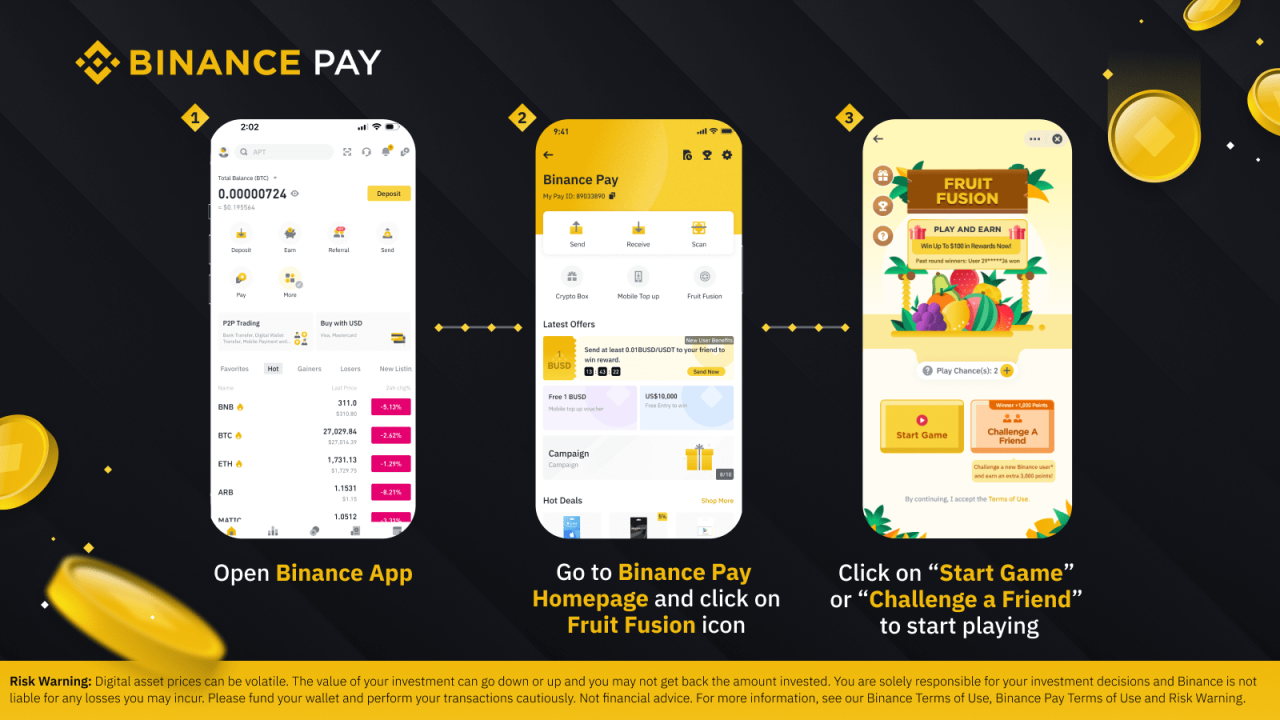
Dive into the world of cryptocurrency with the Binance Bitcoin and Crypto app. This comprehensive guide details the process of downloading, installing, and using the Binance app for buying Bitcoin and other cryptocurrencies. We’ll cover everything from the basics of Binance and Bitcoin to advanced security considerations and practical tips for a smooth user experience.

Understanding the intricacies of buying crypto can be daunting, but this guide simplifies the process. We’ll break down the steps, highlight key features, and compare different methods, ensuring you’re well-equipped to navigate the world of digital assets with confidence.

Introduction to Binance and Bitcoin

Binance is a globally recognized cryptocurrency exchange platform. It facilitates trading in various cryptocurrencies, including Bitcoin, and provides a wide array of services for users. The platform is known for its diverse trading options and user-friendly interface.Bitcoin, the pioneering cryptocurrency, serves as a decentralized digital currency. It operates independently of central banks, enabling peer-to-peer transactions without intermediaries.

Its decentralized nature and limited supply contribute to its unique characteristics in the financial landscape.Binance is a prominent platform for buying Bitcoin. The process is generally straightforward, offering numerous methods for users to acquire Bitcoin. This ease of access makes Binance a popular choice for those entering the cryptocurrency market.

Bitcoin on Binance: Methods of Purchase

The various methods available for buying Bitcoin on Binance cater to different needs and preferences. Understanding these options is crucial for choosing the most suitable method for individual circumstances.

  • Using Bank Transfers: This method typically involves transferring funds from a bank account to Binance. It’s often a common option for fiat-to-crypto conversions, allowing users to convert their traditional currency into Bitcoin. Verification processes may vary depending on the user’s location and the specific bank used.
  • Using Credit/Debit Cards: Credit and debit cards are a convenient option for purchasing Bitcoin directly. This method provides immediate access to Bitcoin and is popular for its speed and accessibility. However, there may be transaction fees associated with using credit/debit cards.
  • Using Cryptocurrency Exchanges: Users can exchange other cryptocurrencies they already hold for Bitcoin on Binance. This option is beneficial for those already involved in the cryptocurrency market. This allows for direct swaps between different cryptocurrencies, with fees varying depending on the specific cryptocurrency being exchanged.

Security Measures for Bitcoin Purchases on Binance

Protecting funds and maintaining security when using Binance to purchase Bitcoin is paramount. Implementing robust security measures is crucial to prevent unauthorized access and maintain financial safety.

  • Strong Passwords: Creating strong, unique passwords for Binance accounts is essential. Using a password manager can aid in generating and remembering complex passwords.
  • Two-Factor Authentication (2FA): Activating 2FA adds an extra layer of security. This requires a second verification step, such as a code from a mobile app, to access the account.
  • Regular Account Monitoring: Regularly reviewing account activity helps identify any suspicious transactions. Promptly addressing any unusual activity is critical for preventing fraudulent activity.

Comparison of Bitcoin Purchase Methods on Binance

The table below provides a comparative overview of different Bitcoin purchase methods on Binance. This allows users to assess the advantages and disadvantages of each method.

Method Advantages Disadvantages
Bank Transfers Generally lower fees, potentially higher security for larger transactions Slower transaction times, potential verification processes
Credit/Debit Cards Fast and convenient, accessible for users without pre-existing crypto holdings Higher transaction fees, potential security risks if not handled properly
Cryptocurrency Exchanges Direct exchange of other crypto holdings, potentially lower fees for experienced users Requires already holding other cryptocurrencies, market volatility can impact exchange rate

Understanding the “Buy Bitcoin” Process

Navigating the cryptocurrency market, particularly for beginners, can seem daunting. Understanding the steps involved in acquiring Bitcoin through platforms like Binance is crucial for a smooth and secure transaction. This section details the process, from account creation to payment methods.The Binance app provides a user-friendly interface for buying Bitcoin and other cryptocurrencies. This guide simplifies the process, ensuring you feel confident and secure in your transactions.

Binance Account Types for Bitcoin Purchases

Binance offers various account types, each with varying features and functionalities. Understanding the distinctions between these accounts is vital for choosing the right option for your needs. This allows you to tailor your experience to your trading volume and strategy.

  • Basic Account: Ideal for beginners and casual traders, the basic account allows for limited trading volume, sufficient for acquiring Bitcoin for personal use. This is a suitable entry point for exploring cryptocurrency investments.
  • Pro Account: For experienced traders, the pro account offers advanced features such as margin trading and more complex order types. This is a sophisticated option for high-volume traders looking for more control over their investment strategy.

KYC (Know Your Customer) Procedures

Binance, like other regulated cryptocurrency exchanges, adheres to strict KYC procedures to maintain security and prevent illicit activities. This verification process protects both users and the platform.

  • Verification Requirements: The KYC process typically involves providing identification documents, such as government-issued photo IDs and proof of address. These documents help verify the user’s identity and prevent fraud.
  • Importance of KYC: The stringent KYC procedures are essential for maintaining a secure trading environment. By verifying user identities, Binance mitigates the risk of fraudulent activities and ensures compliance with regulatory requirements.

Step-by-Step Guide to Buying Bitcoin on Binance

This detailed guide walks you through the process of purchasing Bitcoin on the Binance app.

  1. Account Creation: Download the Binance app and create an account, providing accurate personal information.
  2. Account Verification: Complete the KYC verification process to activate your account for trading.
  3. Funding Your Account: Deposit funds into your Binance account using a supported payment method.
  4. Bitcoin Purchase: Locate the Bitcoin market and select the desired amount to purchase.
  5. Confirmation and Execution: Review the transaction details and confirm the purchase. The Bitcoin will be credited to your account.

Comparison of Binance App and Web Platform

The Binance app and web platform offer similar functionalities for buying Bitcoin, but there are subtle differences.

  • App Advantages: The app’s mobile-friendly interface makes it convenient for on-the-go transactions. Its streamlined design allows for quicker access to markets and trading tools.
  • Web Platform Advantages: The web platform offers a broader range of advanced trading tools and features, ideal for more experienced traders who need greater control over their investments.

Using Payment Methods for Bitcoin Purchases

Binance supports various payment methods for buying Bitcoin.

  • Supported Payment Methods: Binance offers a wide array of payment methods, including bank transfers, credit/debit cards, and various digital wallets. This ensures a variety of options for users worldwide.
  • Choosing the Right Method: Selecting the appropriate payment method depends on factors such as transaction speed, fees, and personal preferences. Users should carefully consider these factors before making a purchase.

Analyzing the Binance Bitcoin App

Binance Login - Sign In From Any Device

The Binance Bitcoin app, a popular platform for cryptocurrency trading, offers a user-friendly interface for buying, selling, and managing Bitcoin holdings. This analysis delves into the app’s key features, interface, and security measures, comparing it to other trading apps and showcasing how it presents market data.The Binance Bitcoin app is designed to provide a streamlined experience for users engaging in Bitcoin transactions and other crypto activities.

This includes not only the purchase and sale of Bitcoin but also broader cryptocurrency trading, making it a comprehensive tool for crypto investors.

Key Features of the Binance Bitcoin App

The Binance Bitcoin app boasts a wide range of functionalities beyond simple Bitcoin transactions. It facilitates various crypto operations, including trading other cryptocurrencies, staking, and lending. Its comprehensive nature caters to diverse user needs.

  • Trading Functionality: The app allows users to execute buy and sell orders for Bitcoin and other cryptocurrencies. This is achieved through various order types, allowing users to manage their trades effectively. Real-time market data updates ensure users are aware of current price fluctuations, enabling informed decision-making.
  • Portfolio Management: The app provides a clear overview of a user’s cryptocurrency holdings, including Bitcoin. Users can track their investment performance and monitor the value of their assets in real time. This feature helps users stay informed about their current financial position within the cryptocurrency market.
  • Security Measures: Robust security protocols are implemented to protect user accounts and funds. This is essential to ensure the safety of users’ investments.
  • Educational Resources: The app often provides educational resources, such as tutorials and articles, to help users understand the basics of cryptocurrency trading. These resources help users gain knowledge and improve their trading strategies.

User Interface and Navigation

The user interface (UI) of the Binance Bitcoin app is designed to be intuitive and easy to navigate. This design allows users to quickly access the functions they need, facilitating a seamless trading experience.The app typically employs a clean layout, dividing the screen into sections for different functions. This includes sections for market data, order placement, and portfolio management.

Navigation is generally straightforward, with clear labels and menus to guide users through the app. This straightforward design contributes to a positive user experience.

Comparison to Other Cryptocurrency Trading Apps

Compared to other cryptocurrency trading apps, Binance stands out for its extensive features and global reach. While other apps might specialize in certain aspects, Binance offers a more comprehensive platform encompassing a broader range of cryptocurrencies and trading options.The app’s versatility, coupled with its global user base, contributes to a rich and active trading environment.

Bitcoin Price Charts and Order Books

The Binance Bitcoin app displays Bitcoin price charts in various timeframes (e.g., 1 minute, 1 hour, daily, weekly). These charts allow users to visualize price trends and identify potential trading opportunities. Furthermore, the order book displays buy and sell orders in real-time, enabling users to understand market depth and potentially execute trades at favorable prices.

The order book is a crucial tool for traders as it provides insights into the current market demand and supply.

Security Features

Binance employs various security measures to protect user funds and data. These measures include multi-factor authentication (MFA), secure encryption, and regular security audits. The use of these measures mitigates risks associated with unauthorized access and fraudulent activities.

Feature Description
Trading Functionality Allows buying, selling, and managing Bitcoin and other cryptocurrencies.
Portfolio Management Provides a clear overview of holdings, including Bitcoin, and tracks investment performance.
Security Measures Implements multi-factor authentication, encryption, and security audits.
User Interface Intuitive design with clear navigation and accessible functions.
Educational Resources Offers tutorials and articles to aid user understanding.

Cryptocurrencies Beyond Bitcoin on Binance

Binance offers a vast selection of cryptocurrencies beyond Bitcoin, catering to a diverse range of investment interests. This diversification allows users to explore a wider spectrum of digital assets and potentially uncover opportunities beyond the established market leader. The platform’s user-friendly interface streamlines the trading process for various cryptocurrencies.

Different Cryptocurrencies Available for Trading

Binance provides access to a wide array of cryptocurrencies, often referred to as “altcoins”. These assets represent a diverse range of projects and technologies, often aiming to address specific needs or fill perceived gaps in the market. This range extends from established altcoins with significant market capitalization to newer, potentially high-growth tokens.

Examples of Popular Altcoins Traded on Binance

Several altcoins have achieved notable popularity and trading volume on Binance. Ethereum (ETH), for example, is a leading smart contract platform, offering a decentralized alternative to traditional centralized systems. Other prominent examples include Litecoin (LTC), a faster and cheaper alternative to Bitcoin, and Ripple (XRP), focusing on cross-border financial transactions. Binance supports a constantly evolving ecosystem of cryptocurrencies, adding new ones based on market demand and project performance.

Buying and Selling Altcoins Through the Binance App

The process of buying and selling altcoins on the Binance app is largely analogous to purchasing Bitcoin. Users can utilize their existing fiat currency (like USD or EUR) to acquire these altcoins through the platform’s exchange services. The specific steps for altcoin purchases may slightly vary based on the specific altcoin and available payment options. Users can often follow the same procedures as for Bitcoin transactions, with the app guiding them through the process.

Comparison of Bitcoin and Altcoin Purchase Processes

While the core principles of buying and selling on Binance are consistent for all cryptocurrencies, some minor differences may exist. The primary distinction often lies in the specific altcoin’s market liquidity and trading volume. Higher trading volume typically indicates greater ease of purchase, while lower volume might necessitate more patience or careful timing. Generally, the Bitcoin purchase process, due to its established dominance, is typically more straightforward and faster.

Display of Cryptocurrency Prices and Charts on the Binance App

The Binance app displays real-time cryptocurrency prices and interactive charts. These tools provide an essential view of market trends and fluctuations, allowing users to track the performance of their investments. The visual representations help investors gauge the market’s overall sentiment towards specific cryptocurrencies. The app’s charting features often include adjustable timeframes, enabling users to examine price patterns over various periods.

Popular Cryptocurrencies and Their Trading Volume on Binance

The following table provides a snapshot of popular cryptocurrencies and their approximate trading volume on Binance. Note that trading volumes fluctuate dynamically.

Cryptocurrency Trading Volume (example)
Bitcoin (BTC) High
Ethereum (ETH) High
Litecoin (LTC) Medium
Ripple (XRP) Medium
Solana (SOL) Medium-High

Mobile App Security and User Experience

The security of your mobile cryptocurrency trading app is paramount. A compromised platform could expose your funds to theft or manipulation. Likewise, a user-unfriendly interface can lead to frustration and missed opportunities. This section explores the critical aspects of mobile app security and the Binance platform’s user experience.The Binance app, while popular, requires vigilance. Understanding the security protocols and optimizing the user experience are key to successful and safe crypto trading.

This section will highlight essential security measures and discuss the app’s ease of use.

Importance of Mobile App Security in Cryptocurrency Trading

Robust security measures are essential in cryptocurrency trading. Compromised mobile apps can lead to unauthorized access of user accounts, potentially resulting in the loss of valuable cryptocurrencies. Security vulnerabilities, whether from malware or human error, can significantly impact a trader’s financial well-being. Safeguarding personal data and transactions is paramount to a positive trading experience.

Security Tips for Using the Binance App

Several measures can enhance the security of your Binance account. Enable two-factor authentication (2FA) to add an extra layer of protection. Be cautious of phishing attempts, which often try to trick users into revealing sensitive information. Regularly update the app to benefit from the latest security patches. Use strong, unique passwords for your Binance account and other online services.

User Experience of the Binance Bitcoin App

The Binance Bitcoin app provides a comprehensive platform for managing Bitcoin holdings and engaging in trades. The intuitive design of the app facilitates quick access to key functions, such as buying, selling, and transferring Bitcoin. The interface is generally well-structured and easy to navigate, allowing users to manage their portfolios effectively.

Ease of Use and Navigation of the Binance App

The Binance app’s navigation is generally straightforward. Key features like market charts, order history, and wallet balances are readily accessible. The app’s design prioritizes clarity and simplicity, making it easy for both novice and experienced users to navigate. This ease of use is a crucial aspect of the app’s success.

Comparison of Binance App’s User Experience to Other Crypto Apps

Compared to other cryptocurrency trading apps, Binance often excels in its comprehensive range of features. The app offers a broader selection of trading pairs and advanced tools for experienced traders. However, the user experience can vary depending on individual needs and preferences. Some users might find the extensive features slightly overwhelming.

Security Best Practices for Mobile Cryptocurrency Apps

Practice Description
Enable Two-Factor Authentication (2FA) Adding an extra layer of security by requiring a code from a separate device in addition to your password.
Regular App Updates Downloading the latest version of the app to benefit from security patches and bug fixes.
Strong Passwords Creating unique and complex passwords for your Binance account and other online accounts to prevent unauthorized access.
Phishing Awareness Recognizing and avoiding suspicious emails or websites that try to trick you into revealing personal information.
Secure Storage Storing your device securely and not leaving it unattended in public places.

Binance App Download and Installation

The Binance app is a crucial tool for interacting with the cryptocurrency exchange. A smooth and successful download and installation process ensures seamless access to trading and other functionalities. This section details the process for various mobile devices.

Downloading the Binance App

The Binance app is available for download on both Android and iOS platforms. Users can find the app on their respective app stores. Navigating to the app store and searching for “Binance” will typically yield the correct app.

Installation Process for Android

The Android installation process is straightforward.

  1. Open the Google Play Store app on your Android device.
  2. Search for “Binance” in the search bar.
  3. Select the Binance app from the search results.
  4. Click the “Install” button.
  5. Follow the on-screen prompts to complete the installation. This usually involves granting necessary permissions and confirming the download.

Installation Process for iOS

Installing the Binance app on iOS devices follows a similar pattern.

  1. Open the App Store app on your iOS device.
  2. Search for “Binance” in the search bar.
  3. Select the Binance app from the search results.
  4. Tap the “Get” button.
  5. Confirm the download and installation with your Apple ID password.

Compatibility and Potential Issues

While the Binance app is designed for optimal compatibility, some issues can arise.

Operating System Potential Compatibility Issues
Android Compatibility issues can occur with older or less powerful Android devices. Insufficient storage space or outdated operating system versions may also pose problems.
iOS iOS compatibility issues are less common but can still arise due to device limitations or outdated iOS versions.

Troubleshooting Installation Errors

Common installation errors can be resolved with troubleshooting steps.

  • Error: Insufficient Storage Space: Ensure your device has sufficient free storage space. Delete unnecessary files or apps to free up space.
  • Error: App Store Connectivity Issues: Check your internet connection. A stable internet connection is essential for downloading and installing apps.
  • Error: Incompatible Device: The Binance app may not be compatible with your specific device model or operating system version. Ensure your device meets the minimum system requirements.

Example Error Messages and Solutions

The following are some examples of common error messages encountered during app installation and their resolutions.

  • Error Message: “Download failed.”

    Solution: Check your internet connection and try the download again. If the issue persists, contact Binance support for assistance.

  • Error Message: “Installation failed.”

    Solution: Ensure sufficient storage space on your device. Restart your device and try the installation again. If the issue persists, contact Binance support for assistance.

Binance App Features and Functionality

The Binance app offers a comprehensive suite of tools for managing your crypto holdings and engaging in various trading activities. This detailed exploration delves into the key features, functionality, and user interface elements of the app, focusing on its Bitcoin-related capabilities and broader crypto ecosystem support.The Binance app’s design prioritizes intuitive navigation and accessibility, allowing users to easily perform transactions, monitor market trends, and execute trades with ease.

Different sections of the app are tailored to specific needs, whether it’s checking balances, monitoring price charts, or placing buy/sell orders.

Trading Features

The Binance app provides a robust trading platform within its interface. Users can access various trading pairs, including Bitcoin (BTC) against other cryptocurrencies and fiat currencies. The app supports limit orders, market orders, and stop-loss orders, enabling users to execute trades based on predefined conditions or market fluctuations. Real-time order books and charts provide essential information for informed decision-making during trading sessions.

Charting Functionality

The Binance app incorporates comprehensive charting tools to visualize market trends and identify potential trading opportunities. The app offers multiple chart types, including candlestick charts, line charts, and bar charts, allowing users to analyze price movements over various timeframes. Users can also customize chart settings, including indicators and drawing tools, to tailor the visualization to their specific needs and trading strategies.

Technical analysis is simplified through readily available tools for calculating moving averages, relative strength index (RSI), and other commonly used indicators.

Order Book Functionality

The order book displays the aggregate buy and sell orders for a specific trading pair in real time. This feature allows users to see the current market demand and supply for a cryptocurrency, enabling them to assess the prevailing market sentiment and potential price fluctuations. The order book’s dynamic nature provides continuous updates, ensuring users have the most current information available.

Understanding the order book is crucial for effective trading strategies and risk management.

Wallet Functionality

The Binance app facilitates secure storage and management of cryptocurrencies. A dedicated wallet section allows users to view their account balances and transaction history for different cryptocurrencies, including Bitcoin. Users can easily transfer funds between their wallets and exchange accounts within the app. The app also features security measures to protect user assets, such as two-factor authentication (2FA) and secure storage protocols.

Furthermore, users can view the details of each transaction, including the date, time, amount, and type of transaction.

User Interface for Managing Funds

Managing funds within the Binance app is straightforward. The user interface (UI) features clear display of account balances and transaction history. Transferring funds between different accounts, such as wallets and exchange accounts, is simplified through user-friendly navigation and intuitive design. Users can easily monitor their crypto holdings across various asset classes, allowing for a holistic view of their portfolio.

The UI also clearly highlights any pending or completed transactions.

Binance App Functionalities Table

Feature Functionality
Trading Executing buy/sell orders, managing limit orders, market orders, and stop-loss orders across various crypto pairs.
Charting Visualizing market trends through various chart types (candlestick, line, bar) and customizable settings including indicators and drawing tools.
Order Book Displaying real-time buy and sell orders for a specific trading pair, providing insights into market demand and supply.
Wallet Storing and managing cryptocurrencies securely, facilitating transfers between wallets and exchange accounts.
Fund Management Clear display of account balances, transaction history, and simplified fund transfers between accounts.

Final Thoughts

In conclusion, the Binance app offers a convenient platform for purchasing Bitcoin and other cryptocurrencies. By following the steps Artikeld in this guide, you can confidently download, install, and utilize the app. Remember to prioritize security and carefully consider the various features and functionalities available. This comprehensive guide empowers you to make informed decisions and safely navigate the exciting world of cryptocurrency.

User Queries

What are the minimum deposit requirements for buying crypto on Binance?

Binance’s minimum deposit requirements vary depending on the payment method. Consult the Binance support pages for the most up-to-date information.

What security measures should I take when using the Binance app?

Always use strong passwords, enable two-factor authentication (2FA), and be wary of phishing attempts. Regularly update the app and review Binance’s security guidelines.

Are there any fees associated with buying Bitcoin on Binance?

Yes, there are trading fees and potentially other fees depending on the payment method used. Review Binance’s fee structure for precise details.

How do I contact Binance support if I have issues with the app?

Visit the Binance support website or use the in-app support channels to get assistance.

Bitcoin ATM machines offer a convenient alternative for acquiring Bitcoin, bypassing traditional exchanges. This guide delves into the intricacies of these machines, from their fundamental functionalities to security considerations, and explores their widespread adoption and future potential.

Understanding the different types of Bitcoin ATMs, their features, and the steps involved in using them is crucial for a smooth transaction. The various security measures employed by these machines are also vital for ensuring a safe and secure experience.

Introduction to Bitcoin ATM Machines

A Bitcoin ATM, or Bitcoin Automated Teller Machine, is a physical kiosk that allows users to buy and sell Bitcoin (and sometimes other cryptocurrencies) directly with cash. It provides a convenient, albeit often less cost-effective, alternative to traditional online exchanges for acquiring or disposing of Bitcoin.These machines operate similarly to traditional ATMs, using a user-friendly interface and a secure process to complete transactions.

They’re designed for accessibility, allowing individuals to interact with the cryptocurrency market without needing extensive technical knowledge or online accounts.

Basic Functionalities of a Bitcoin ATM

Bitcoin ATMs facilitate the exchange of fiat currency (like US dollars) for Bitcoin and vice versa. The process involves inserting cash, selecting the desired transaction amount, and receiving the corresponding cryptocurrency or cash. Security measures, such as PIN entry and transaction confirmation, are integral to the process, ensuring user protection and the prevention of fraudulent activity.

Types of Bitcoin ATM Machines

Bitcoin ATMs come in various designs and sizes. Some are compact and portable, suitable for use in smaller retail locations, while others are larger and more robust, typically found in high-traffic areas like shopping malls or convenience stores. The machine’s physical appearance can differ depending on the manufacturer and intended use case.

Steps Involved in Using a Bitcoin ATM

The typical steps to use a Bitcoin ATM involve:

  • Selecting the desired transaction type: Choose whether to buy or sell Bitcoin.
  • Entering the amount: Input the desired amount of Bitcoin to buy or the amount of cash to sell.
  • Inserting cash: Insert the required cash into the machine.
  • Verifying transaction details: Review the transaction details, including the exchange rate and the amount of Bitcoin or cash being exchanged.
  • Confirming the transaction: Confirm the transaction by entering a PIN or using a fingerprint scan.
  • Receiving Bitcoin or cash: The machine will then dispense the Bitcoin or cash according to the transaction.

Bitcoin ATM Machine Specifications

The following table provides a general overview of Bitcoin ATM machine characteristics. Different machines will vary in these specifications.

Machine Type Supported Cryptocurrencies Transaction Limits Fees
Standard Bitcoin (BTC) $500 – $5,000 per transaction Variable, typically 5% – 10%
Premium Bitcoin (BTC), Ethereum (ETH), Litecoin (LTC) $5,000 – $10,000 per transaction Variable, typically 3% – 8%
High-Volume Bitcoin (BTC), Ethereum (ETH), Litecoin (LTC), other altcoins $10,000+ per transaction Variable, typically 2% – 5%

Note: Transaction limits and fees are subject to change and vary depending on the specific ATM machine and its location.

Bitcoin ATM Machine Features

Bitcoin ATM machines have become increasingly popular for purchasing and selling Bitcoin. These machines offer a convenient and accessible way to interact with the cryptocurrency market, but their security and functionality are critical considerations. Understanding the intricacies of these machines, from security protocols to user interfaces, is essential for informed use.

Security Measures in Bitcoin ATMs

Bitcoin ATM security is paramount to protect both user funds and the machine itself. Multiple layers of security are employed, ranging from physical safeguards to robust software protocols. These measures are crucial to deter theft and ensure the integrity of transactions.

  • Physical Security: Bitcoin ATMs are often housed in secure locations, sometimes within brick-and-mortar stores. Physical barriers, such as reinforced glass or metal enclosures, safeguard the machine from theft or vandalism. Surveillance cameras and alarm systems are also commonly used to deter and monitor potential threats.
  • Transaction Verification: Advanced software ensures that each transaction adheres to predefined parameters. This involves double-checking user input, verifying transaction amounts against predefined limits, and validating the user’s identity to prevent unauthorized access.
  • Two-Factor Authentication (2FA): Many Bitcoin ATMs use 2FA to enhance security. This requires users to provide a second form of authentication, such as a code from a mobile device, alongside their PIN or other credentials. This significantly reduces the risk of unauthorized access.

Comparison of Security Protocols

Different Bitcoin ATM manufacturers employ varying security protocols. While the fundamental principles remain similar, the implementation and sophistication can differ. A comparison helps users understand the varying levels of protection offered by different machines.

  • Hardware-Based Security: Some ATMs use specialized hardware components for encryption and transaction processing. This hardware isolates the sensitive data, adding another layer of protection against cyberattacks. This approach can enhance the overall security of the system.
  • Software-Based Security: Other ATMs rely on software-based security protocols. These protocols often include encryption algorithms to protect data during transmission and storage. The strength and complexity of these algorithms can significantly impact the machine’s overall security.

User Interface Design

The user interface (UI) of a Bitcoin ATM is crucial for ease of use and intuitive navigation. A well-designed UI minimizes confusion and ensures a positive user experience.

  • Clear Instructions: A clear and concise display helps users understand the steps involved in buying or selling Bitcoin. The interface should guide users through each stage of the transaction, from inputting details to confirming the purchase.
  • Intuitive Navigation: The UI should be simple and easy to navigate. Clear buttons and menus, with proper labeling, enhance user interaction and minimize the risk of errors.
  • Visual Feedback: The UI should provide visual cues throughout the transaction process, such as confirmation messages and progress indicators. Visual cues ensure users are aware of the status of their transaction.

Bitcoin ATM User Experience Comparison

A table comparing different Bitcoin ATM machines based on user experience can be beneficial. The table below provides a general comparison, highlighting key features and considerations.

Feature ATM A ATM B ATM C
Ease of Navigation Excellent Good Fair
Transaction Speed Fast Average Slow
Security Features Advanced Standard Basic
Customer Support Excellent Good Poor

Technical Aspects of Bitcoin ATM Transactions

Bitcoin ATM transactions involve a complex interplay of cryptographic algorithms and secure communication protocols. These processes ensure the integrity and security of the transactions.

  • Cryptographic Hashing: Bitcoin transactions are often hashed to ensure data integrity and prevent tampering. This process generates a unique digital fingerprint for each transaction. This ensures the data is unaltered.
  • Digital Signature Verification: The authenticity of transactions is verified through digital signatures. This process involves verifying that the sender is the legitimate owner of the Bitcoin being transferred. This verification is essential for the security of the system.
    • Example: A user initiates a transaction to purchase Bitcoin. The ATM verifies the user’s identity, amount, and the recipient address. A digital signature ensures that the user is authorized to initiate the transaction.

Bitcoin ATM Machine Locations and Usage

Cryptocurrency Price Prediction 2025 In Inr - Minh A. Anderson

Bitcoin ATMs, providing a convenient way to buy and sell Bitcoin, have become increasingly prevalent. Their accessibility offers a valuable alternative to traditional banking channels for engaging with the cryptocurrency market. This section explores the locations of these ATMs, their global distribution, influencing factors, and the user experience.Bitcoin ATM deployment is not uniform globally. Factors like local regulatory environments, cryptocurrency adoption rates, and the presence of a supportive community play a crucial role in determining their placement and density in different regions.

Common Locations for Bitcoin ATMs

Bitcoin ATMs are often found in high-traffic areas frequented by tech-savvy individuals, such as: retail centers, shopping malls, convenience stores, and sometimes, in areas with a high concentration of cryptocurrency enthusiasts. This strategic placement maximizes visibility and accessibility.

Geographic Distribution of Bitcoin ATMs

The global distribution of Bitcoin ATMs is uneven. While North America and Europe tend to have a higher density, other regions are experiencing a growing presence. This uneven distribution reflects the varying levels of cryptocurrency adoption and regulatory landscapes across different countries and continents.

Factors Influencing Bitcoin ATM Placement

Several factors influence the placement of Bitcoin ATMs. High foot traffic, the presence of a cryptocurrency-aware population, and favorable regulatory conditions are key drivers. Availability of reliable internet connectivity is also essential for seamless transactions. Additionally, proximity to financial institutions, and the existence of a supporting infrastructure, like ATMs with debit/credit card processing capability, are further considerations.

Popularity of Bitcoin ATMs in Different Regions

Region Estimated Number of ATMs Comments
North America High High adoption rates and early market presence contribute to a higher concentration.
Europe High Strong cryptocurrency community and supportive regulatory environment contribute to widespread adoption.
Asia Moderate to High Growing cryptocurrency adoption, particularly in emerging markets, drives increasing presence.
South America Low Relatively lower adoption rates and regulatory challenges contribute to a lower concentration.

The table provides a general overview; precise figures are challenging to obtain due to varying reporting methodologies and the dynamic nature of the Bitcoin ATM market.

Typical Steps to Buy Bitcoin at an ATM

The process of purchasing Bitcoin at an ATM is generally straightforward. Users typically follow these steps:

  • Locate a Bitcoin ATM machine.
  • Select the desired Bitcoin purchase amount.
  • Choose a payment method (e.g., debit or credit card).
  • Confirm the transaction details.
  • Receive the Bitcoin into a designated wallet.

These steps are usually presented on the ATM’s touch screen or a printed receipt, making the process user-friendly.

Buying Bitcoin with Bitcoin ATM Machines

Purchasing Bitcoin through Bitcoin ATMs offers a convenient and accessible method for acquiring the cryptocurrency. These machines are readily available in many locations, simplifying the process for those unfamiliar with traditional cryptocurrency exchanges. This method often allows for a quicker transaction compared to some online exchanges.

The Bitcoin ATM Transaction Process

The process of purchasing Bitcoin through a Bitcoin ATM is generally straightforward. Users typically interact with the machine through a touchscreen interface. The machine guides users through the necessary steps, displaying clear instructions and prompts. The transaction involves providing payment details and confirming the purchase amount. Security measures are in place to protect user funds and prevent fraudulent activities.

Steps for Purchasing Bitcoin on an ATM

Understanding the sequential steps involved in buying Bitcoin through an ATM simplifies the process. These steps are designed to ensure a smooth and secure transaction.

Step Description
1 Select the desired amount of Bitcoin to purchase. The ATM will display the equivalent fiat currency amount based on the current market price.
2 Enter payment details. The ATM will prompt for payment method information, such as the type of card and its details.
3 Review the transaction details. The ATM will display a summary of the transaction, including the amount of Bitcoin to be purchased, the corresponding fiat currency value, and the transaction fees.
4 Confirm the transaction. The user must confirm the transaction by pressing a button or using the touchscreen interface.
5 Receive the Bitcoin. Once the transaction is confirmed, the user will receive the purchased Bitcoin into their designated digital wallet address.

Payment Options for Bitcoin ATM Purchases

Bitcoin ATMs typically accept various payment methods, making them accessible to a wide range of users. Common options include debit and credit cards. Some ATMs may also support bank transfers or cash payments, although cash transactions may be subject to additional fees or limitations. The specific payment options available will vary based on the particular ATM machine.

Step-by-Step Guide for Buying Bitcoin

This guide provides a simplified approach to buying Bitcoin through a Bitcoin ATM, emphasizing ease of use.

  1. Locate a Bitcoin ATM in your area. Use online resources or apps to find a nearby ATM. Review reviews of the specific ATM to ensure the quality of service and reliability of the machine.
  2. Insert your payment card and enter the PIN. Ensure the card you are using is supported by the ATM machine.
  3. Specify the desired Bitcoin amount. The machine will display the equivalent fiat currency amount.
  4. Review the transaction details carefully. Confirm all information is correct, including the amount, fee, and recipient wallet address.
  5. Confirm the transaction. Press the confirmation button on the ATM. The machine will provide a confirmation message.
  6. Receive your Bitcoin. The machine will display your Bitcoin wallet address or send you a confirmation message with the address. Record this address carefully. Ensure you have a secure digital wallet to receive the Bitcoin.

Bitcoin ATM Machine vs. Traditional Methods of Buying Bitcoin

Bitcoin ATMs provide a convenient alternative to traditional methods for acquiring Bitcoin. While online exchanges are widely used, Bitcoin ATMs offer a physical, self-service option with a different set of pros and cons. Understanding these distinctions helps users make informed choices about the best method for their needs.Bitcoin ATMs and traditional exchanges each cater to different user preferences and requirements.

A key difference is the level of accessibility and ease of use. Bitcoin ATMs offer a tangible, hands-on experience, whereas exchanges require a digital interface and often a certain level of technical understanding. Both methods have their strengths and weaknesses, making careful consideration crucial for successful transactions.

Comparison of Bitcoin ATM and Exchange Transactions

A comparison of Bitcoin ATM and exchange transactions reveals distinct characteristics in terms of speed, fees, and security. Choosing the right method depends on individual priorities.

Feature Bitcoin ATM Traditional Exchange
Speed Generally faster for immediate transactions, often within minutes. Can vary depending on transaction volume and network congestion; transactions might take a few minutes to several hours.
Fees Typically includes a fixed or percentage-based fee per transaction. These fees can vary based on the ATM provider and the amount being purchased. Usually includes fees for trading and/or platform usage, and network transaction fees.
Security Security measures vary based on the ATM provider, but usually include measures to protect against fraud and theft. Physical security is a significant aspect of Bitcoin ATM security. Security is often enhanced by multi-factor authentication, strong passwords, and transaction verification processes. Exchanges typically have sophisticated security protocols to protect user accounts.
Accessibility Physically located in various locations, allowing for on-the-spot transactions. Geographic limitations are a factor. Accessible 24/7 through the internet, making it convenient for users with internet access, regardless of location.

Advantages and Disadvantages of Bitcoin ATMs

Bitcoin ATMs offer unique advantages and disadvantages compared to traditional exchange methods. These factors are important to consider when evaluating the suitability of Bitcoin ATMs for individual needs.

  • Advantages: Bitcoin ATMs provide a quick and straightforward method for purchasing Bitcoin, especially in locations where online exchanges might not be readily available. The physical nature of the transaction can provide a sense of security and familiarity to some users, while the ability to buy and sell on the spot is a strong advantage.
  • Disadvantages: Fees associated with Bitcoin ATM transactions can be higher than those charged by some exchanges. Transaction limits may be lower compared to the potential limits of online exchanges. The accessibility of Bitcoin ATMs is limited by their geographic location. The availability of ATMs and the specific selection of cryptocurrencies available at a particular ATM can also be limited.

Advantages and Disadvantages of Traditional Exchanges

Traditional exchanges offer a range of benefits and drawbacks. Understanding these aspects can help users decide which method is best suited for their specific needs.

  • Advantages: Exchanges often offer a broader range of cryptocurrencies for purchase, along with advanced trading features, potentially providing greater flexibility and higher transaction volumes. They typically have more sophisticated security measures compared to Bitcoin ATMs. Fees for exchanges can vary significantly, depending on the exchange and the specific trading pair involved. The convenience and ease of use can be high, especially for experienced users.

  • Disadvantages: The transaction speed can vary significantly, depending on factors such as network congestion and the volume of transactions on the exchange. A certain degree of technical knowledge is often required for successful transactions and navigating the exchange platform. User accounts and funds may be at risk if security measures are not diligently followed. Geographical restrictions are not usually a concern for online exchanges.

Accessibility and Convenience of Bitcoin ATMs

Bitcoin ATMs provide a level of accessibility that traditional exchanges might not match. Understanding this difference can help determine the best option for individual needs.Bitcoin ATMs are often located in convenient locations, such as retail stores or public areas, making them more accessible to a broader range of users. This accessibility can be particularly important in areas where traditional banking services may be limited or inaccessible.

The ease of use of a Bitcoin ATM is typically straightforward, making it easier to purchase Bitcoin compared to the more complex interfaces of online exchanges.

Security and Privacy Concerns with Bitcoin ATMs

Bitcoin ATMs, while offering a convenient way to buy and sell Bitcoin, come with inherent security and privacy risks. Users need to be aware of these potential vulnerabilities and take precautions to protect their funds and personal information. Understanding these concerns and adopting safe practices is crucial for a positive and secure experience.Using Bitcoin ATMs involves a certain level of risk, as with any financial transaction.

Criminals might exploit vulnerabilities in the machines or the surrounding environment to compromise users’ accounts. This necessitates proactive measures to minimize the risk. User education and vigilance are paramount to maintaining a safe environment.

Potential Security Risks

Bitcoin ATMs, like any electronic device, can be susceptible to various security breaches. These include hardware malfunctions, software vulnerabilities, and physical attacks. Malicious actors could potentially tamper with the machines to manipulate transactions or steal user funds. Additionally, the physical environment around the ATM, such as insufficient lighting or lack of security personnel, could increase the risk of theft or fraud.

Methods to Mitigate Risks

To reduce the risk of security breaches, users should adopt proactive measures. Carefully selecting reputable Bitcoin ATM operators with strong security protocols is important. Prioritizing ATMs in well-lit and secure locations with visible security personnel can significantly reduce the chance of physical attacks. Users should also be vigilant about their surroundings and take necessary precautions to avoid becoming targets for criminals.

Verifying the ATM’s legitimacy and reviewing transaction details before confirming them is essential.

Importance of User Verification Procedures

Robust user verification procedures are crucial to prevent unauthorized access and fraudulent activities. These procedures should involve verifying the user’s identity and confirming their intent. Stricter verification procedures, including photo ID checks and multi-factor authentication, significantly enhance the security of the Bitcoin ATM transaction. This mitigates the risk of unauthorized access and protects user funds.

Ensuring Transaction Privacy

While Bitcoin transactions are pseudonymous, users can take steps to enhance privacy. Using privacy-enhancing technologies like mixers or privacy wallets, along with appropriate transaction confirmations, can help to obfuscate transaction details. Employing secure internet connections, like VPNs, during transactions can further safeguard sensitive information. Transaction anonymity is not guaranteed, but users can employ these tools to minimize the risk of traceability.

Security Best Practices for Bitcoin ATM Users

Security Best Practice Explanation
Verify ATM legitimacy Check for official seals, logos, and licensing information. Look for positive user reviews and customer feedback.
Use a strong password or PIN Choose a strong, unique password or PIN that is difficult to guess.
Be aware of surroundings Avoid using Bitcoin ATMs in poorly lit or isolated areas. Be vigilant for suspicious activity or individuals.
Review transaction details Carefully review all transaction details before confirming the purchase or sale.
Report suspicious activity Report any suspicious activity or potential security threats to the ATM operator immediately.
Use secure connections Use a VPN or a secure internet connection during transactions to protect personal information.

Future of Bitcoin ATM Machines

Bitcoin ATM machines are rapidly evolving, mirroring the dynamic nature of the cryptocurrency market. Their future trajectory hinges on factors like regulatory clarity, technological advancements, and the overall adoption of cryptocurrencies. This evolution is likely to see more accessible and user-friendly machines, potentially integrated with other payment systems.

Predicted Trends in the Bitcoin ATM Market

The Bitcoin ATM market is expected to continue its growth trajectory, driven by increased user demand and the ongoing development of new technologies. Expect more Bitcoin ATMs in strategic locations, like shopping malls and high-traffic areas, to meet the growing need for on-the-spot cryptocurrency purchases. Furthermore, improvements in user experience, including more intuitive interfaces and multilingual support, will likely become standard features, thereby increasing accessibility.

Potential Growth and Adoption in Different Countries

The adoption of Bitcoin ATMs varies significantly across countries, influenced by factors like government regulations, cryptocurrency awareness, and financial infrastructure. Countries with favorable regulatory frameworks and high cryptocurrency adoption rates, such as certain parts of the US and Europe, are likely to see substantial growth in the number of Bitcoin ATMs. Countries with stricter regulations or lower levels of cryptocurrency adoption may see slower growth or even limited adoption, necessitating tailored strategies for specific regions.

Integration with Other Payment Systems

Integration of Bitcoin ATMs with other payment systems is a key development area. Imagine a scenario where a Bitcoin ATM allows users to directly purchase goods and services using their Bitcoin balance, facilitating a seamless transition between fiat and cryptocurrency transactions. This integration is expected to increase the usability and practicality of Bitcoin ATMs for a broader range of users, including those unfamiliar with cryptocurrency.

Integration of Advanced Technologies

Advanced technologies like biometrics and blockchain integration could revolutionize the Bitcoin ATM experience. Biometric authentication, for example, can enhance security and user experience, while blockchain integration could streamline transaction verification and reduce processing times. The potential for these technologies to improve security and efficiency makes them a focus of development.

Potential Future Developments in Bitcoin ATM Technology

Feature Description Impact
Enhanced Security Features Biometric authentication, multi-factor authentication, and advanced encryption protocols Improved security and user trust
Integration with Mobile Wallets Directly connecting to and utilizing mobile wallets for faster and more convenient transactions Improved user experience and reduced friction
Support for Multiple Cryptocurrencies Allowing users to buy and sell various cryptocurrencies beyond Bitcoin Expanding market reach and utility
Decentralized Transaction Processing Utilizing blockchain technology for secure and transparent transactions Increased trust and transparency
Smart Contract Integration Automated transactions and reduced manual intervention Increased efficiency and speed

Bitcoin ATM Machine Transactions

Bitcoin ATM transactions are a straightforward process for users to acquire or sell Bitcoin. The process is designed to be user-friendly, enabling individuals with limited technical knowledge to engage in the exchange. Understanding the steps involved ensures a smooth and secure experience.

User Perspective of the Transaction Process

The user experience is typically intuitive and guided. Bitcoin ATMs generally feature a touchscreen interface, allowing users to easily navigate the transaction steps. Clear prompts and instructions minimize confusion. The visual cues, combined with a simple step-by-step process, simplify the transaction for most users.

Steps Involved in a Bitcoin ATM Transaction

The transaction process typically involves these stages:

  • Selection of Transaction Type: The user first selects whether they want to buy or sell Bitcoin. This is usually done by choosing an option on the ATM’s touchscreen interface. For example, the screen might display buttons labeled “Buy Bitcoin” and “Sell Bitcoin”.
  • Inputting Desired Amount: After selecting the transaction type, the user specifies the amount of Bitcoin they wish to buy or sell. This is usually entered via the touchscreen keypad. For example, a user might enter “0.5” to buy half a Bitcoin.
  • Verification of Information: The ATM confirms the transaction details, including the amount, transaction type, and the user’s selected payment method (if applicable). This step ensures accuracy and avoids errors. For instance, the ATM might display a summary of the transaction before proceeding.
  • Payment Input: Depending on the transaction type (buy or sell), the user will either provide the payment amount in fiat currency or receive the Bitcoin equivalent. For example, if the user is buying Bitcoin, they might insert cash or use a bank card. Alternatively, if the user is selling Bitcoin, the ATM will show the equivalent amount in fiat currency that the user will receive.

  • Verification of Payment: The ATM verifies the payment input to ensure the correct amount is received. If the payment is valid, the ATM proceeds to the next step. For instance, the ATM will check the amount of cash entered against the amount specified on the screen.
  • Bitcoin Wallet Address Input: If buying Bitcoin, the user needs to input their Bitcoin wallet address. This address is crucial for receiving the Bitcoin. For example, the user will need to provide the address in a designated field on the ATM screen.
  • Transaction Confirmation: The ATM confirms the transaction details with the user before proceeding. This final confirmation helps prevent errors. For example, the screen displays a summary of the transaction to ensure accuracy.
  • Bitcoin Transfer and Receipt: If the transaction is successful, the Bitcoin is transferred to the user’s wallet address. The ATM then prints a receipt confirming the transaction details. For example, the user receives a printed receipt that lists the date, time, amount of Bitcoin bought or sold, and the transaction ID.

Transaction Completion Time

The time it takes to complete a Bitcoin ATM transaction varies depending on factors like the ATM’s processing speed, network congestion, and the complexity of the transaction. Generally, a transaction can take anywhere from a few minutes to about 15 minutes. For example, a simple transaction to buy a small amount of Bitcoin might take 5-7 minutes, while a large transaction might take closer to 15 minutes.

Transaction Data Processing and Storage

Transaction data is processed and stored securely by the Bitcoin ATM. The ATM typically records the transaction details, including the date, time, amount, and user identification. This data is stored locally on the ATM’s system and is often encrypted to protect user privacy. Data retention policies vary depending on the ATM operator. For example, data might be kept for a specified period before being archived or deleted.

Bitcoin ATM Fees and Limits

Bitcoin ATM fees and limits are crucial factors to consider when using these machines for purchasing or selling Bitcoin. Understanding these factors allows users to make informed decisions about the cost and feasibility of their transactions. The fees and limits vary significantly between different ATM providers, making comparative analysis essential.

Bitcoin ATM Transaction Fees

Bitcoin ATM transaction fees are generally expressed as a percentage of the transaction amount. These fees cover the operational costs of running the ATM, including maintenance, electricity, and staff. Some Bitcoin ATM operators may also add a markup to the current market price of Bitcoin. This markup, essentially a profit margin, is factored into the final transaction cost.

Factors Determining Bitcoin ATM Transaction Fees

Several factors influence the transaction fees charged by Bitcoin ATMs. These include the prevailing market price of Bitcoin, the ATM operator’s overhead costs, and the volume of transactions processed. Operators may adjust fees based on transaction volume and market conditions. For example, during periods of high market volatility, fees might fluctuate more significantly. A larger ATM operator with a wider network may have lower fees due to economies of scale.

Bitcoin ATM Transaction Limits

Bitcoin ATM transaction limits define the maximum amount of Bitcoin that can be purchased or sold in a single transaction. These limits are often set to protect users from large-scale losses and to mitigate potential risks. The limits also vary depending on the ATM operator.

Methods of Calculating Bitcoin ATM Transaction Fees

Transaction fees are calculated by applying a predetermined percentage to the transaction amount. For instance, a 5% fee on a $100 Bitcoin purchase would result in a $5 fee. Some Bitcoin ATM operators may employ tiered fee structures, where the percentage decreases as the transaction amount increases. This structure can provide more favorable pricing for larger transactions.

Bitcoin ATM Transaction Limits Implementation

Transaction limits are implemented programmatically within the Bitcoin ATM’s software. The software validates the user’s request against the predefined limits. If the transaction exceeds the limit, the ATM will reject the request. User interface displays often indicate the current transaction limit for a particular ATM. This transparency ensures that users are aware of the limitations.

Examples of Bitcoin ATM Fees and Limits

ATM Operator Typical Fee (%) Purchase Limit (USD)
Example ATM 1 5% $500
Example ATM 2 3% $1000
Example ATM 3 6% $250

Note that these are illustrative examples and actual fees and limits may vary significantly depending on the specific Bitcoin ATM and its location.

Last Word

In conclusion, Bitcoin ATM machines represent a valuable tool for accessing the cryptocurrency market. While offering convenience and accessibility, they also present security considerations. Understanding the process, fees, and limitations is crucial for a successful transaction. The future of these machines is promising, with potential integrations and growth in different regions.

General Inquiries

What are the typical fees associated with Bitcoin ATM transactions?

Transaction fees vary by machine and are often expressed as a percentage of the Bitcoin amount purchased. Some machines might also impose a flat fee.

What are the common locations where Bitcoin ATMs are found?

Bitcoin ATMs are frequently situated in high-traffic areas, such as convenience stores, retail centers, and financial institutions. Their placement often considers the target user base.

What security measures are typically implemented in Bitcoin ATM machines?

Most Bitcoin ATMs utilize robust security protocols, including multi-factor authentication, encryption, and secure transaction processing. Physical security, such as reinforced enclosures, is also common.

What are the typical transaction limits on Bitcoin ATMs?

Transaction limits vary greatly. Some machines might impose daily purchase limits or caps on transaction amounts, typically based on machine type and operator settings.