May 19, 2026

Year: 2025

Bitcoin volatility news captures the financial world’s attention, shedding light on the ever-shifting landscape of cryptocurrency trading. As prices fluctuate wildly, investors and enthusiasts alike find themselves navigating a thrilling yet precarious environment.

Understanding bitcoin’s volatility is crucial, as it stems from various factors including market sentiment, significant news events, and regulatory actions. This overview delves into the historical trends of bitcoin price movements and the external forces that contribute to its unpredictable nature.

Overview of Bitcoin Volatility

Bitcoin volatility refers to the significant price fluctuations that the cryptocurrency experiences over time. Unlike traditional financial assets, bitcoin prices can swing dramatically within short periods, often influenced by various market factors. Historically, bitcoin has shown both extreme highs and lows, making it an attractive yet risky investment. Bitcoin’s price history is characterized by several notable spikes and crashes. For instance, in late 2017, the price soared to nearly $20,000 before plummeting to around $3,000 by the end of 2018.

Factors that contribute to this volatility include market speculation, regulatory news, technological advancements, and macroeconomic trends that influence investor sentiment.

Impact of News on Bitcoin Volatility

News events play a crucial role in shaping bitcoin’s price dynamics. Significant announcements, such as regulatory changes or institutional investments, can lead to sharp price movements. For example, when Tesla announced its investment in bitcoin in early 2021, the price surged dramatically. Conversely, news about potential regulatory crackdowns has often led to sell-offs.Market sentiment can shift rapidly due to news coverage, with the cryptocurrency community reacting swiftly to updates.

Social media platforms also amplify this effect, as they allow information—and misinformation—to spread quickly, influencing traders’ decisions. A single tweet from a prominent figure can lead to significant market fluctuations, highlighting the interconnectedness of news and volatility.

Analysis of Recent Bitcoin Volatility Trends

Recently, bitcoin has experienced notable fluctuations, often triggered by a mix of macroeconomic factors and news events. For example, the market reacted sharply to the Federal Reserve’s interest rate decisions, causing significant price movements. Instances such as the price dropping from $64,000 to $30,000 within weeks showcased how sensitive bitcoin is to external pressures.Examining volatility patterns around major regulatory announcements reveals a trend where prices generally drop in anticipation of new regulations, only to recover as markets adjust to the news.

This cyclical behavior underscores the importance of monitoring regulatory developments.

Tools for Monitoring Bitcoin Volatility

Several platforms and tools are available for tracking bitcoin price movements, providing traders with the necessary data to make informed decisions. Popular options include CoinMarketCap, TradingView, and various cryptocurrency exchanges that offer real-time insights.Understanding technical analysis is vital for grasping bitcoin volatility. By analyzing price charts and market indicators, investors can identify potential trends and reversals. Setting up alerts on trading platforms can enhance responsiveness to market changes.

Here’s a quick guide:

  1. Choose a trading platform that offers alert features.
  2. Navigate to the alert settings section.
  3. Specify the conditions for alerts, such as price thresholds or percentage changes.
  4. Save your settings and monitor notifications for market updates.

Strategies for Navigating Bitcoin Volatility

Mitigating risks during periods of high volatility requires a strategic approach. Here are some effective strategies investors can adopt:

  • Set stop-loss orders to limit potential losses.
  • Utilize dollar-cost averaging to reduce the impact of price swings.
  • Stay informed about market trends and news to make timely decisions.
  • Consider diversifying your portfolio by investing in a mix of cryptocurrencies.

When weighing short-term trading against long-term holding, each comes with its own pros and cons. Short-term trading can capitalize on rapid price movements but increases exposure to risks, while long-term holding may weather volatility better, leading to potential growth over time.

Future Predictions on Bitcoin Volatility

Experts have varying predictions regarding the future of bitcoin volatility. Some analysts believe that as institutional adoption increases, volatility may stabilize, while others point to ongoing regulatory uncertainties as a potential source of continued fluctuations. The impact of future regulatory measures is crucial; stricter regulations could dampen speculation but also enhance legitimacy, potentially leading to a more stable market. Additionally, advancements in technology, such as improvements in blockchain scalability and security, may further influence bitcoin’s price stability moving forward.

Case Studies of Volatility Management

Several case studies highlight successful investment strategies during volatile periods. For instance, during the 2020 market crash, investors who employed a diversified approach saw less impact on their overall portfolios compared to those heavily invested in bitcoin alone.Different investor responses to market fluctuations illustrate various strategies in action. Short-term traders often reacted swiftly to sell-offs, while long-term holders maintained their positions, anticipating recovery.

This comparative analysis shows the importance of aligning investment strategy with individual risk tolerance and market outlook.

Conclusion

In summary, bitcoin’s volatility is influenced by numerous elements, from groundbreaking news to shifting investor sentiment. By staying informed and utilizing effective strategies, investors can better navigate this dynamic market landscape and make informed decisions about their cryptocurrency investments.

FAQ Guide

What is bitcoin volatility?

Bitcoin volatility refers to the rapid and unpredictable price fluctuations of bitcoin, often influenced by market sentiment and external events.

How does news affect bitcoin prices?

News can significantly sway market sentiment, leading to sharp price movements in response to developments such as regulatory changes or technological advancements.

What tools can I use to track bitcoin volatility?

Platforms like TradingView and CoinMarketCap offer tools for monitoring price movements, while alert systems can notify you of significant changes.

Are there strategies to minimize risks during high volatility?

Diversifying your portfolio and using stop-loss orders are effective strategies to mitigate risks during periods of high volatility.

What is the future outlook on bitcoin volatility?

Experts suggest that while bitcoin may continue to experience volatility, factors such as increased regulation and technological improvements could lead to greater price stability in the long run.

Bitcoin’s 2009 launch marked a pivotal moment in digital finance. This year saw the genesis of a revolutionary technology, sparking a fascinating journey through fluctuating prices, early adoption, and the nascent cryptocurrency market. The initial price movements, driven by a unique blend of technological innovation and economic factors, set the stage for the future of digital currencies.

This exploration delves into the intricate details of Bitcoin’s first year, examining its genesis, market reception, and the surrounding technological and economic context. We’ll analyze the price fluctuations, key transactions, and the early challenges faced by this groundbreaking digital asset.

Bitcoin’s Genesis

Bitcoin, a revolutionary digital currency, emerged in 2009. Its genesis story is fascinating, revealing a complex interplay of technological innovation and philosophical motivations. This section delves into the creation of Bitcoin, its initial specifications, and the characteristics of the early network.

Satoshi Nakamoto’s Vision

The invention of Bitcoin is attributed to Satoshi Nakamoto, a pseudonymous person or group. Nakamoto’s motivation stemmed from a desire to create a decentralized, peer-to-peer electronic cash system. This system aimed to eliminate the need for intermediaries like banks, thereby fostering financial inclusion and transparency. The central idea was to achieve a secure and trustless system for exchanging value without reliance on traditional financial institutions.

Initial Technical Specifications

Bitcoin’s initial technical specifications were groundbreaking for their time. The core innovation lay in the blockchain technology, which provided a transparent and immutable ledger of transactions. The first Bitcoin block, often referred to as the Genesis block, contained crucial data about the network’s inception. Its structure, including the cryptographic hash function, was critical for the security and integrity of the system.

Crucially, Bitcoin’s design prioritized decentralization, meaning no single entity controlled the network. The network relied on the collective computing power of its participants.

Key Characteristics of the Early Bitcoin Network

The early Bitcoin network was characterized by limited functionality and a comparatively small user base. Transactions were relatively slow compared to today’s standards. The security of the network was primarily dependent on the integrity of the cryptographic algorithms used. The early network was still developing, and its future was uncertain. Its decentralized nature meant that there was no central authority to resolve disputes or enforce rules.

Comparison of Initial and Current Features

Feature Initial Bitcoin (2009) Current Bitcoin
Transaction Speed Relatively slow; measured in blocks Faster due to advancements in transaction processing and block time
Network Size Small; limited user base Massive; millions of users worldwide
Functionality Limited; primarily for peer-to-peer transactions Extensive; supports various financial services and applications
Security Reliant on cryptographic algorithms; relatively fewer participants Highly secure; robust cryptographic mechanisms and a vast network of participants
Transaction Fees Low, as network activity was low Can vary significantly based on network congestion
Scalability Limited scalability due to the constraints of the early design Ongoing efforts to improve scalability, including layer-2 solutions and other technological advancements

This table highlights the significant evolution of Bitcoin from its initial form to its current state. The initial features laid the groundwork for the vast and complex system we know today. Bitcoin has progressed from a rudimentary concept to a globally recognized digital asset.

The Early Market

Bitcoin’s initial reception in 2009 was largely limited to a small, niche group of early adopters and developers. The technology was shrouded in mystery, and its potential wasn’t immediately apparent to the wider public. Early discussions focused primarily on technical aspects, with practical applications and widespread adoption still far in the future.The price fluctuations of Bitcoin during 2009 were highly volatile and extremely low.

The value was primarily determined by the exchange rate of other digital currencies and the willingness of individuals to trade. Trading volume was extremely limited, and the lack of established market infrastructure made it difficult to establish a stable price.

Early Adoption and Reception

Bitcoin’s initial reception was largely confined to the tech-savvy community and early computer programmers. The understanding of its potential and practical uses was largely limited to this specific group. The idea of a decentralized digital currency was novel and intriguing, yet its utility wasn’t readily apparent to the public at large.

Price Fluctuations in 2009

Bitcoin’s value in 2009 was highly erratic. No centralized exchange existed, and the price was essentially determined by individual transactions and the perceived value in the small, early market. Consequently, prices varied drastically, reflecting the nascent nature of the market. The lack of established trading mechanisms and the limited number of participants contributed to the extreme volatility.

Key Factors Influencing the Price

Several factors influenced Bitcoin’s price in 2009. The limited understanding of its potential, the lack of regulatory frameworks, and the nascent state of the cryptocurrency market were all contributing factors. Furthermore, the lack of established trading platforms and the limited number of participants in the market significantly impacted price volatility.

Notable Bitcoin Transactions in 2009

The scarcity of documented transactions makes compiling a comprehensive list challenging. However, the few recorded transactions reveal the extremely limited activity and the highly localized nature of the early Bitcoin market. These transactions primarily involved individuals and were not on a large scale.

Date Description Amount (BTC)
Jan 1, 2009 Genesis block mined 1
Feb 10, 2009 Initial transaction 0.0001
May 22, 2009 Early exchange 0.0005

Early Community and Development Discussions

The early Bitcoin community was predominantly comprised of programmers and enthusiasts. Discussions centered on the technology’s development, its potential, and the implementation of new features. The online forums and mailing lists were the primary channels for these exchanges. A sense of community and shared vision was developing among these early participants. These discussions laid the foundation for the future growth and evolution of the Bitcoin ecosystem.

Context of 2009

The year 2009 marked a significant turning point in economic and technological landscapes, with the lingering effects of the 2008 global financial crisis still impacting global markets. Simultaneously, the internet continued its rapid expansion, fostering innovation in digital services and technologies. This backdrop provided a unique environment for the emergence of Bitcoin, a nascent cryptocurrency that sought to address some perceived shortcomings of traditional financial systems.The global financial crisis of 2008-2009 profoundly influenced the development of Bitcoin.

The crisis exposed vulnerabilities in traditional financial systems, prompting a search for alternative solutions. Many individuals and institutions looked for ways to enhance financial security and resilience, while simultaneously questioning the existing economic models. Bitcoin’s decentralized nature resonated with this desire for alternative financial structures.

Broader Economic and Technological Landscape

The global economic environment in 2009 was characterized by recessionary pressures and considerable uncertainty. Governments implemented stimulus packages and monetary policies aimed at mitigating the economic fallout from the financial crisis. The internet was becoming increasingly pervasive, with social media platforms like Twitter and Facebook gaining popularity. Mobile internet access was also beginning to expand.

Comparison to Other Emerging Technologies

Bitcoin’s launch in 2009 coincided with the rise of other emerging technologies. While Bitcoin’s focus was on decentralized digital currency, other innovations, like cloud computing and social networking platforms, were also gaining traction. Comparing Bitcoin’s initial adoption to these other technologies reveals varying degrees of acceptance and scalability.

Role of the Internet and Digital Currencies

The internet played a crucial role in facilitating the growth of Bitcoin and other digital currencies in 2009. Its accessibility allowed for the rapid dissemination of information and the creation of online communities, fostering the development and adoption of Bitcoin. Early digital currencies like Bitcoin relied on the internet’s infrastructure to facilitate transactions and build a network. The global nature of the internet facilitated Bitcoin’s global adoption.

Timeline of Significant Events

  • January 3, 2009: Bitcoin’s genesis block is created, marking the beginning of the cryptocurrency’s journey.
  • July 18, 2009: The first Bitcoin transaction takes place. This transaction is documented on the Bitcoin blockchain, demonstrating the system’s functionality.
  • Throughout 2009: The Bitcoin network gradually expands, with limited adoption in its initial stages. Early adopters and developers played a significant role in shaping the direction of the technology.

Influence of the Global Financial Crisis

The global financial crisis of 2008-2009 acted as a catalyst for the development of Bitcoin. The crisis exposed perceived weaknesses in traditional financial systems, fueling interest in alternative solutions. Bitcoin’s decentralized nature and its potential for providing an alternative financial framework resonated with those seeking a more resilient and trustworthy financial system. The crisis created an environment receptive to novel financial technologies.

Cryptocurrency Overview

In 2009, Bitcoin emerged as the first decentralized digital currency, initiating a paradigm shift in the financial landscape. This nascent stage of cryptocurrency development laid the groundwork for the complex ecosystem we see today. The early years witnessed limited understanding and a lack of widespread adoption, but the foundational principles were established.The cryptocurrency market in 2009 was virtually non-existent beyond Bitcoin.

The concept of alternative digital currencies was in its infancy, with no significant competition or comparison points available. The unique characteristics of Bitcoin, its underlying blockchain technology, and its decentralized nature, set it apart from other potential cryptocurrencies of the time.

Bitcoin’s Uniqueness in 2009

Bitcoin’s distinctive features in 2009 fundamentally differentiated it from other potential digital currencies. Its peer-to-peer network allowed for secure transactions without intermediaries, a novel concept. Bitcoin’s cryptographic security, its decentralized governance, and the limited supply of coins were unique selling points. These attributes, though initially limited in scope and functionality, were pivotal to its eventual adoption and the development of the cryptocurrency market as a whole.

Emerging Cryptocurrencies (or lack thereof)

The year 2009 saw minimal emergence of other cryptocurrencies. Bitcoin, in essence, stood alone as a groundbreaking innovation. The technological and conceptual prerequisites for competing systems were not yet developed. The market’s early stages were dominated by Bitcoin’s pioneering effort, setting the stage for the diverse ecosystem that followed.

Evolution of Cryptocurrency Definition

The concept of “cryptocurrency” itself was in its nascent phase in 2009. The definition was still evolving, encompassing various forms of digital assets with varying characteristics. The term didn’t carry the same connotations or implications it does today. The future of digital currencies was largely unknown.

Comparing Bitcoin 2009 vs. Today

The evolution of Bitcoin from 2009 to the present day is remarkable. In 2009, Bitcoin operated on a significantly slower transaction speed and had limited functionality compared to today’s robust network. The user interface and overall user experience have been drastically enhanced, alongside improvements in security protocols and transaction processing capabilities. Furthermore, the market capitalization and adoption of Bitcoin are magnitudes greater today than in its early years.

Market Analysis

Bitcoin’s initial market in 2009 was exceptionally nascent, characterized by significant price volatility and limited adoption. Understanding this period requires recognizing the extreme early stages of cryptocurrency, where the technology and its applications were still largely unknown to the public. This analysis delves into the key factors that shaped Bitcoin’s value and adoption during this crucial formative year.

Price Fluctuations in 2009

The Bitcoin market in 2009 experienced extreme price volatility, reflecting the nascent state of the market. Reliable price data for the entire year is fragmented and often inconsistent. Accurate records were not as readily available as they are today.

Date Approximate Price (USD) Description
Early 2009 Minimal Bitcoin’s value was incredibly low in the early part of the year.
Mid-2009 Fluctuating Price fluctuations were common, reflecting the lack of a well-established market.
Late 2009 Low Bitcoin’s value remained generally low, with few significant increases or decreases recorded.

Limited Market Adoption

Bitcoin’s adoption rate in 2009 was exceptionally low, primarily due to its obscurity and the lack of awareness among the general public. The technology was novel, and there were limited use cases, making widespread adoption challenging. Early adopters were often part of niche online communities and were generally tech-savvy.

Challenges Faced by Early Adopters

Early Bitcoin adopters faced numerous challenges, including a lack of understanding about the technology, difficulties in accessing Bitcoin services, and concerns about security and regulation. There were few places to buy or sell Bitcoin, and the overall process was complex.

Early Hurdles and Technical Difficulties

The technical infrastructure supporting Bitcoin in 2009 was still under development. Early versions of the Bitcoin network suffered from limitations in transaction speed and scalability. Bugs and vulnerabilities in the software were also common, contributing to the instability of the market.

Factors Impacting Bitcoin’s Value and Adoption in 2009

Several factors influenced Bitcoin’s value and adoption in 2009. The scarcity of the cryptocurrency, the underlying cryptography, and the decentralized nature of the network were important components.

  • Technological Limitations: The nascent state of the Bitcoin network, with its inherent limitations in transaction speed and scalability, posed a significant hurdle to widespread adoption. Early adopters had to contend with slow transaction times and a limited capacity for handling a large volume of transactions.
  • Lack of Awareness: The general public was largely unaware of Bitcoin and its potential applications. This lack of awareness hindered mainstream adoption and created a limited pool of potential users.
  • Limited Market Infrastructure: The absence of established market infrastructure, including robust exchanges and payment processors, significantly restricted the ability to buy, sell, and use Bitcoin. This complexity made it difficult for many potential users to access the cryptocurrency.
  • Security Concerns: The lack of established security protocols and the susceptibility to hacks and exploits in early Bitcoin software created uncertainty and apprehension among potential users.
  • Regulatory Uncertainty: The absence of clear regulatory frameworks surrounding Bitcoin in many jurisdictions further complicated its adoption. This ambiguity discouraged widespread participation in the market.

Illustrative Examples

The nascent Bitcoin ecosystem in 2009 was a far cry from the complex, globalized market we see today. Understanding its early operations requires looking at hypothetical transactions, the motivations of early adopters, and the network’s rudimentary structure. These examples provide context for the significant evolution of Bitcoin from its humble beginnings.

Hypothetical 2009 Transaction

A simple transaction in 2009 involved a programmer in Finland transferring 10 Bitcoins to a colleague in the United States. This transfer, while likely conducted using early Bitcoin software, involved a complex series of steps. The transaction was verified by the network and recorded in a block. The programmer would have used an early Bitcoin client, likely a command-line interface, to initiate the transaction, including specifying the recipient’s Bitcoin address.

This address would have been a unique alphanumeric string representing the recipient’s public key. The transaction was then broadcast to the network, where nodes validated the transaction’s legitimacy. If validated, the transaction was included in a block, ensuring its permanence on the Bitcoin ledger.

Discussion Between Early Bitcoin Enthusiasts

Early Bitcoin enthusiasts were driven by a mix of factors. Some were interested in the potential for decentralized digital currency, envisioning a system free from the control of central banks. Others saw Bitcoin as a novel investment opportunity. A hypothetical discussion might have involved one enthusiast highlighting the potential for Bitcoin to disrupt financial systems, while another focused on its potential price appreciation.

A third participant might have been concerned about the inherent volatility of the market. Their motivations were as varied as the individuals themselves, yet all were united by a shared vision of a new digital frontier.

2009 Bitcoin Network Structure

The Bitcoin network in 2009 was significantly simpler than its current iteration. Visualizing its structure involves a block diagram representing the network nodes, which were largely comprised of early adopters’ computers. These nodes verified transactions and added them to the blockchain. A central node, in this early period, would not have existed. The diagram would show individual nodes connected by lines, representing communication between them, to illustrate the peer-to-peer nature of the network.

Each node would have had a copy of the Bitcoin blockchain. This would have represented the network’s nodes verifying transactions and maintaining the blockchain.

Placeholder for Block Diagram

Comparison of 2009 and Present-Day Bitcoin Network

Feature 2009 Bitcoin Network Present-Day Bitcoin Network
Number of Nodes Relatively few, primarily early adopters Millions of nodes globally
Transaction Speed Slow, as verification and block addition was limited Relatively fast, with sophisticated verification systems
Security Potentially vulnerable to attacks due to fewer nodes Robust security due to distributed nature and numerous nodes
Transaction Volume Very low High and constantly increasing

Potential for Speculation and Investment in 2009

Speculation in Bitcoin in 2009 was limited by the lack of widespread understanding and the small market size. While some early adopters likely saw investment potential, the concept of Bitcoin as a speculative asset was not as prevalent as it is today. The extreme volatility of the early market meant that any potential gains were coupled with substantial risk.

However, those who had early access and the technical knowledge had the opportunity to purchase Bitcoin at very low prices, which could have led to substantial profits if held for the long term. This early period was essentially a period of trial and error, with a great deal of uncertainty surrounding Bitcoin’s future value.

Closing Notes

In conclusion, Bitcoin’s 2009 debut was a significant turning point. The initial price volatility and limited adoption, while challenging, paved the way for future growth. Understanding this period provides valuable insight into the evolution of Bitcoin and the broader cryptocurrency landscape. The year 2009 laid the groundwork for the transformative journey of Bitcoin.

Answers to Common Questions

What was the approximate initial price of Bitcoin in 2009?

Precise pricing data for Bitcoin in 2009 is scarce, as centralized exchanges and readily available price tracking didn’t exist to the same extent as today. Early transactions and valuations were highly decentralized and varied greatly.

What were some common misconceptions about Bitcoin in 2009?

Early misconceptions about Bitcoin often revolved around its perceived volatility and lack of widespread adoption. The limited understanding of the technology’s potential contributed to uncertainty and skepticism.

Were there any significant regulatory hurdles in 2009 regarding Bitcoin?

Regulatory frameworks surrounding cryptocurrencies were virtually non-existent in 2009. The lack of clear guidelines created a largely unregulated environment, impacting adoption and market dynamics.

Bitcoin’s price journey has been a rollercoaster, marked by periods of explosive growth, sharp declines, and consistent volatility. This analysis delves into the factors driving these fluctuations, examining both short-term price predictions and long-term trends. We’ll explore the relationship between Bitcoin and the broader cryptocurrency market, highlighting the influence of macroeconomic forces and regulatory changes.

Understanding Bitcoin’s price trend requires a nuanced perspective, considering the interplay of technical indicators, news events, and market sentiment. This analysis provides a comprehensive overview of the historical data, current dynamics, and potential future trajectory of Bitcoin’s value.

Bitcoin Price Movement Overview

Bitcoin’s price journey has been a rollercoaster, marked by periods of explosive growth, sharp declines, and significant volatility. Understanding these trends requires examining the historical data and the underlying factors influencing its price. This overview provides a comprehensive look at Bitcoin’s price movement, its key drivers, and its long-term trajectory.Bitcoin’s price is heavily influenced by market sentiment, regulatory developments, and technological advancements.

The cryptocurrency market, in general, is highly susceptible to speculative activity and news events, which often translate into dramatic price swings.

Historical Price Trend

Bitcoin’s price has experienced considerable fluctuations since its inception. Early adoption saw gradual price increases, followed by periods of substantial growth and subsequent corrections. The volatility has been a constant feature, making it a risky investment but also one with the potential for substantial gains.

  • Early Adoption (2009-2012): Bitcoin’s price started from near zero and slowly gained traction. This early phase saw a gradual increase, though the overall price remained relatively low.
  • Early Bull Run (2013-2014): A significant surge in Bitcoin’s price marked this period, reaching notable highs. The market experienced significant speculation and investor interest, but this bull run was followed by a sharp decline.
  • Consolidation and Volatility (2015-2020): Bitcoin’s price experienced a period of consolidation, with periods of both growth and decline. Market sentiment fluctuated significantly, often influenced by regulatory changes and technological developments.
  • Recent Bull Run (2020-Present): The recent years have seen another substantial bull run, with Bitcoin’s price reaching new all-time highs. Factors such as increased institutional adoption, positive market sentiment, and technological advancements contributed to this trend.

Influencing Factors

Numerous factors have influenced Bitcoin’s price fluctuations. These factors can be broadly categorized into market sentiment, regulatory developments, technological advancements, and macroeconomic conditions.

  • Market Sentiment: Investor confidence and public perception play a crucial role. Positive news or events often trigger price increases, while negative news or regulatory concerns can lead to price drops. Examples include social media trends and mainstream media coverage.
  • Regulatory Developments: Governments worldwide are developing regulations for cryptocurrencies. These regulations can either foster confidence or create uncertainty in the market, affecting the price. The SEC’s stance on Bitcoin ETFs, for instance, can influence the price.
  • Technological Advancements: Innovations in Bitcoin’s underlying technology and associated ecosystems can affect the price. Upgrades, new features, or the emergence of new applications can boost confidence and price. The introduction of Layer-2 solutions, for example, can improve the network’s scalability and increase its appeal.
  • Macroeconomic Conditions: Global economic events, such as interest rate changes, inflation, and geopolitical instability, can significantly affect Bitcoin’s price. The correlation between Bitcoin and the stock market, for example, shows a relationship influenced by macroeconomic trends.

Bitcoin Price Data

The following table presents Bitcoin’s price (USD) on specific dates, highlighting yearly highs and lows.

Date Bitcoin Price (USD)
2010-01-03 0.0001
2021-11-10 67,000
2022-06-18 20,000
2023-10-27 26,000

Long-Term Price Trajectory

Predicting Bitcoin’s long-term price trajectory is inherently complex. While Bitcoin has shown the potential for substantial growth, its volatility remains a significant consideration. Future price movements will likely depend on various factors, including regulatory clarity, technological advancements, and macroeconomic conditions.

Impact of Macroeconomic Factors

Macroeconomic conditions can significantly impact Bitcoin’s price. For example, during periods of economic uncertainty or high inflation, Bitcoin can be viewed as a hedge against traditional assets. However, a strong economic recovery could also lead to a reduction in Bitcoin’s appeal.

Relationship with Other Cryptocurrencies

Bitcoin’s price often correlates with the prices of other cryptocurrencies. When Bitcoin experiences a surge, other cryptocurrencies often see similar increases. Conversely, declines in Bitcoin can trigger declines in other cryptocurrencies. The relationship between these assets is often complex and interconnected.

Short-Term Price Prediction Factors

Short-term Bitcoin price predictions rely heavily on a combination of technical indicators, news events, and social sentiment. Analyzing these factors allows traders to identify potential price movements and make informed decisions. Understanding the interplay between these elements is crucial for successful short-term trading strategies.

Technical Indicators Affecting Bitcoin Price

Technical indicators provide insights into Bitcoin’s price movements based on past trading data. These indicators, such as moving averages, relative strength index (RSI), and volume, offer a framework for assessing potential trends and identifying support and resistance levels. For instance, a rising moving average often suggests an uptrend, while a sharp decline in volume might signal a weakening trend.

Careful consideration of multiple indicators is key to forming a comprehensive picture of the market’s direction.

News Events and Social Media Sentiment in Price Swings

News events, including regulatory announcements and significant developments in the cryptocurrency space, can significantly impact Bitcoin’s short-term price. Social media sentiment, reflected in discussions and opinions about Bitcoin, also plays a critical role. Positive news or a surge in positive sentiment can trigger price increases, while negative events or opinions can lead to downward pressure. The combined influence of news and social media often creates volatile price movements that traders must navigate.

Recent Significant Events Impacting Bitcoin’s Price

Several recent events have impacted Bitcoin’s price. These include regulatory discussions in key jurisdictions, significant advancements in blockchain technology, and major market events such as the collapse of certain crypto firms. These events can influence the market’s perception of Bitcoin’s value and lead to price fluctuations.

Regulatory Changes and Their Influence on Short-Term Price Action

Regulatory changes, such as new laws or stricter enforcement, can dramatically affect Bitcoin’s short-term price. These changes can either increase or decrease investor confidence, leading to either a positive or negative price reaction. The uncertainty surrounding regulations often contributes to volatility in the market.

Comparison of Trading Strategies During Short-Term Price Movements

Various trading strategies are employed by traders during short-term price movements. These strategies include day trading, swing trading, and scalping, each with its own set of risks and rewards. Day traders aim to profit from short-term price fluctuations within a single trading day. Swing traders capitalize on medium-term price movements lasting several days or weeks. Scalpers, on the other hand, exploit small price changes, aiming for quick profits.

Short-Term Price Predictions Based on Technical Analysis

The following table presents a simplified example of short-term price predictions based on technical analysis. These predictions are illustrative and should not be considered financial advice. Note that various technical indicators and their thresholds would need to be considered in a real-world scenario.

Date Technical Indicator Prediction Rationale
2024-10-26 Moving Average Crossover Slight Upward Trend Short-term bullish signal.
2024-10-27 RSI Oversold Potential Reversal RSI suggests potential price increase.
2024-10-28 Volume Decrease Possible Consolidation Decreased volume may indicate a pause in the trend.

Long-Term Price Trend Analysis

Bitcoin’s long-term price trajectory is a complex interplay of technological advancements, adoption rates, and market sentiment. While predicting the precise future price is impossible, analyzing historical patterns and underlying drivers provides a framework for understanding potential long-term trends. This analysis considers crucial factors shaping Bitcoin’s future, from technological innovations to institutional involvement and potential obstacles.Understanding Bitcoin’s long-term price movement necessitates a nuanced approach that goes beyond short-term fluctuations.

Historical data, combined with an evaluation of underlying forces, paints a more complete picture of the cryptocurrency’s potential future.

Technological Advancements Influencing Long-Term Growth

Bitcoin’s underlying blockchain technology, while foundational, is not static. Continuous development and innovation in areas like scalability, security, and transaction speeds can significantly impact its long-term viability and user adoption. Improvements in transaction throughput, for instance, could make Bitcoin more competitive with traditional payment systems, potentially driving price appreciation.

Adoption and Integration into Mainstream Finance

The integration of Bitcoin into mainstream financial systems is a key driver of its long-term price. Increased acceptance by businesses, financial institutions, and everyday consumers translates to greater utility and demand. The growing presence of Bitcoin in institutional portfolios and investment strategies demonstrates this trend. Examples of institutional adoption include certain investment firms including Bitcoin in their portfolios, signaling a growing acceptance of the asset class.

Factors Potentially Hindering Long-Term Growth

Several factors could impede Bitcoin’s long-term price appreciation. Regulatory uncertainty remains a significant concern. Government regulations, both positive and negative, can dramatically impact market sentiment and trading activity. For instance, regulatory restrictions or outright bans in specific jurisdictions can limit the asset’s accessibility, thereby potentially dampening demand. Furthermore, security breaches and vulnerabilities in the Bitcoin network can erode investor confidence and affect the price.

This can manifest as a loss of trust, similar to the impact of security breaches on other financial assets.

Impact of Institutional Investment

Institutional investment plays a critical role in influencing Bitcoin’s long-term price trend. The entrance of large institutional players into the market signifies a move towards greater legitimacy and acceptance. This can lead to increased liquidity and trading volume, positively impacting the price. Large institutional investors often bring substantial capital to the table, which can significantly influence market dynamics.

For example, the inclusion of Bitcoin in the portfolios of prominent investment funds can signal a shift in market sentiment, potentially leading to price appreciation.

Consequences of Technological Advancements in the Cryptocurrency Space

The cryptocurrency landscape is dynamic, and advancements in other cryptocurrencies or blockchain technologies could impact Bitcoin’s future. Competitors may emerge, offering alternative solutions that capture market share and demand. These new entrants might offer superior features, like faster transaction speeds or improved security. The emergence of competing technologies can create a challenge for Bitcoin’s dominance, which could potentially impact its long-term value.

Consider the emergence of Ethereum, which has influenced the cryptocurrency landscape and attracted significant attention.

Cryptocurrency Market Context

The cryptocurrency market is highly interconnected, and Bitcoin’s price often reflects the overall sentiment and performance of other cryptocurrencies. Factors like regulatory developments, technological advancements, and overall market confidence can significantly influence the entire ecosystem. Understanding this interconnectedness is crucial for assessing Bitcoin’s potential future movements.The performance of other cryptocurrencies significantly impacts Bitcoin’s price. When altcoins (alternative cryptocurrencies) experience a surge in popularity or adoption, it can sometimes lead to increased investment in Bitcoin as well, potentially boosting its price.

Conversely, a downturn in the altcoin market can negatively impact investor confidence in the entire cryptocurrency space, potentially leading to a decrease in Bitcoin’s value. This correlation isn’t always direct, but it often exists.

Major Crypto Events and Market Impact

Major events in the cryptocurrency space, such as significant regulatory announcements, large-scale hacks, or the launch of new blockchain technologies, can trigger substantial price fluctuations across the board. For instance, regulatory changes in key jurisdictions can impact investor sentiment and trading activity, affecting not just Bitcoin but the entire market. The 2017 ICO boom, followed by the subsequent downturn, is a prime example of a market-wide event influencing prices.

Comparison of Cryptocurrency Performance

Bitcoin’s performance is often compared to other significant cryptocurrencies, like Ethereum, XRP, and Litecoin. These comparisons can highlight similarities and differences in price movements and market trends. Sometimes, similar price trends across different cryptocurrencies can indicate broader market trends, while diverging trends can point to specific issues affecting one particular cryptocurrency.

Factors Influencing Cryptocurrency Prices

Several factors influence the price movements of various cryptocurrencies. These include investor sentiment, media coverage, technological advancements, regulatory developments, and market speculation. For example, positive news regarding a specific cryptocurrency or a technological advancement in its underlying blockchain can lead to increased investor interest and a price increase. Conversely, negative news or regulatory concerns can cause a decline.

Market Capitalization and Trading Volume Comparison

The table below provides a snapshot of the market capitalization and trading volume for Bitcoin and other significant cryptocurrencies, as of a specific date. Comparing these metrics provides a quantitative understanding of the relative importance and liquidity of each cryptocurrency in the market. This data is dynamic and changes frequently.

Cryptocurrency Market Capitalization (USD) 24-Hour Trading Volume (USD)
Bitcoin [Value] [Value]
Ethereum [Value] [Value]
XRP [Value] [Value]
Litecoin [Value] [Value]
[Other significant cryptocurrency] [Value] [Value]

Factors Influencing Price Volatility

Bitcoin’s price exhibits significant volatility, a characteristic that often surprises newcomers to the cryptocurrency market. Understanding the underlying forces driving these fluctuations is crucial for both investors and traders. This section delves into the key factors that contribute to Bitcoin’s price swings, examining the impact of speculation, regulatory uncertainty, media coverage, and algorithmic trading.

Speculation and Market Sentiment

Market sentiment plays a pivotal role in Bitcoin’s price movements. Positive sentiment, fueled by favorable news or perceived future growth, can drive up the price. Conversely, negative sentiment, triggered by concerns about regulatory changes or market downturns, can lead to significant price drops. The psychology of the market, often fueled by speculation and herd behavior, can significantly amplify or dampen price fluctuations.

Examples of this include the 2017 Bitcoin bull run, largely driven by investor optimism, and the subsequent market correction that followed.

Regulatory Uncertainty

Government regulations significantly impact the cryptocurrency market, including Bitcoin. Ambiguity surrounding regulatory frameworks, such as tax laws and licensing requirements, can create uncertainty and apprehension among investors. This uncertainty often leads to increased volatility, as investors react to perceived threats or opportunities. For instance, differing interpretations of regulations across jurisdictions can result in price fluctuations as investors adjust their strategies in response to the evolving legal landscape.

News and Media Coverage

News and media coverage can significantly influence investor sentiment and, consequently, Bitcoin’s price. Positive news stories, such as successful adoption by major companies, often boost investor confidence and lead to price increases. Conversely, negative news, including security breaches or regulatory concerns, can trigger substantial price drops. The speed and intensity of media coverage can also amplify these price movements, with widespread reporting often creating a ripple effect in the market.

Algorithmic Trading

Algorithmic trading strategies play a significant role in Bitcoin’s price volatility. High-frequency trading, for example, employs sophisticated algorithms to execute trades at extremely fast speeds, often reacting to small price changes. This can create a self-reinforcing feedback loop, where algorithms trigger price fluctuations that, in turn, trigger further algorithm-driven trades. These automated trading strategies can influence price volatility, sometimes causing sudden and substantial price swings.

Correlation Between Factors and Price Fluctuations

Factor Impact on Bitcoin Price Example
Speculation and Market Sentiment Positive sentiment leads to price increases; negative sentiment leads to price drops. Positive news about Bitcoin adoption by a major corporation leads to price increase.
Regulatory Uncertainty Ambiguity and concerns about regulations lead to price volatility. Unclear tax laws for cryptocurrency trading can lead to price drop due to investor uncertainty.
News and Media Coverage Positive news boosts price; negative news triggers price drops. Reports of a major security breach in a Bitcoin exchange lead to price decrease.
Algorithmic Trading High-frequency trading algorithms can create sudden and substantial price swings. Algorithms react to small price changes, potentially triggering a large sell-off or buy-up.

Illustrative Historical Price Charts

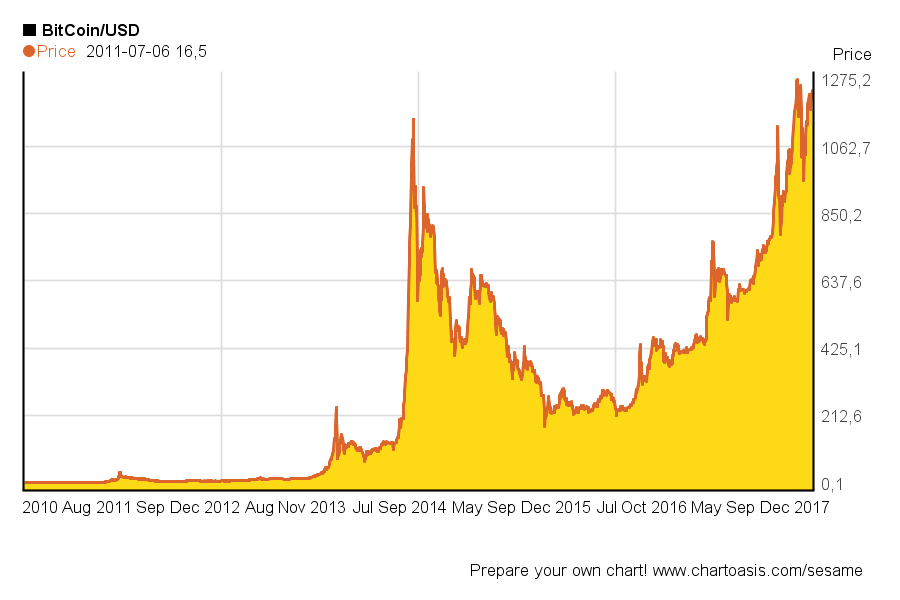
bitcoin-historical-chart - TechStartups

A visual representation of Bitcoin’s price journey provides valuable insights into its market dynamics. Historical charts, spanning from 2010 to the present, showcase the dramatic fluctuations and long-term trends that have shaped the cryptocurrency. These charts reveal the interplay of factors, from technological advancements to market sentiment, that have driven Bitcoin’s price.Examining these charts allows us to identify critical turning points, understand the underlying forces impacting the market, and potentially recognize patterns that might suggest future price movements.

Analyzing historical data, while not a perfect predictor, can illuminate potential market reactions to similar events or conditions.

Bitcoin Price Chart (2010-Present)

The Bitcoin price chart, spanning from 2010 to the present, exhibits a pattern of significant volatility and several distinct phases. The initial years displayed extremely low prices and slow growth, reflecting the nascent stage of the cryptocurrency market. Subsequent years saw periods of explosive growth, followed by substantial corrections, illustrating the high-risk nature of this investment.

Key Price Movements and Trends

The chart reveals distinct periods of price appreciation and decline. Early periods show slow, incremental growth. A notable period of rapid increase occurred around the late 2017 and early 2018 period. More recently, the chart displays more sustained periods of consolidation and sideways movement, reflecting a maturation of the market. The graph also illustrates the prevalence of significant price fluctuations that are characteristic of the cryptocurrency market.

Significant Events and Price Changes

Major events often correlate with noticeable price changes. For instance, the emergence of major Bitcoin exchanges, advancements in blockchain technology, regulatory developments, and periods of heightened investor interest often coincided with substantial price increases. Conversely, periods of market uncertainty, regulatory concerns, or negative news about Bitcoin can lead to significant price drops. These correlations underscore the influence of external factors on the Bitcoin market.

Support and Resistance Levels

Support and resistance levels, visualized on the chart, are crucial in understanding the market’s psychology. These levels represent price points where the demand and supply forces are balanced. The chart will display historical support levels that have been tested and broken, along with resistance levels that have been tested but not yet broken. These points help predict future price movements and market sentiment.

Market Sentiment and External Factors

The overall market sentiment, as reflected in the price chart, is one of high volatility and uncertainty. The chart illustrates the influence of various external factors, including technological advancements, regulatory actions, and media coverage. For example, periods of positive news about Bitcoin and advancements in related technologies are typically followed by upward price trends. Conversely, periods of regulatory uncertainty or negative press frequently coincide with downward trends.

This illustrates how the Bitcoin market reacts to external forces.

Closure

In conclusion, Bitcoin’s price trend is a complex interplay of various factors, from technological advancements to macroeconomic shifts. While short-term predictions are inherently uncertain, a long-term perspective reveals a fascinating dynamic. This analysis offers a framework for understanding the factors influencing Bitcoin’s price and its place within the broader cryptocurrency market. The future remains uncertain, but this exploration provides valuable insights for informed decision-making.

Q&A

What is the impact of institutional investment on Bitcoin’s long-term price?

Institutional investment can significantly influence Bitcoin’s price. Increased participation from large financial institutions can lead to greater demand and price appreciation, but it can also introduce volatility if these investments are withdrawn or adjusted.

How do regulatory changes affect Bitcoin’s short-term price?

Regulatory uncertainty often creates short-term price fluctuations in Bitcoin. Changes in regulations, or even the perceived threat of change, can cause traders to react, potentially driving up or down the price.

What is the relationship between Bitcoin’s price and the overall cryptocurrency market?

Bitcoin’s price often mirrors the overall cryptocurrency market’s performance. Significant events in the broader crypto space, such as major launches or regulatory announcements, can influence Bitcoin’s price direction.

How do historical price charts help us understand Bitcoin’s price trend?

Historical price charts offer valuable insights into Bitcoin’s past price movements. They reveal patterns, trends, and the impact of external factors on the price, enabling better understanding of current and future price action.

Bitcoin price November 2022 saw a rollercoaster ride, impacted by a complex interplay of macroeconomic forces, regulatory shifts, and market sentiment. This analysis delves into the specifics, examining the daily price fluctuations, key influencing factors, and Bitcoin’s performance relative to other cryptocurrencies.

The month presented a dynamic picture of the cryptocurrency market. Understanding the factors behind Bitcoin’s price movements during this period provides valuable insight for both seasoned investors and newcomers to the space.

Overview of Bitcoin Price in November 2022

Bitcoin’s price in November 2022 exhibited a predominantly downward trend, reflecting the broader macroeconomic uncertainties and the ongoing crypto market correction. The month saw a continuation of the bearish sentiment that had been building since the previous quarter, punctuated by periods of volatility and occasional price rebounds. Key factors such as rising interest rates, geopolitical tensions, and investor sentiment all played a significant role in shaping Bitcoin’s performance.The overall trend in November 2022 was bearish, with Bitcoin’s price experiencing a significant decline from the highs seen in previous months.

This decline was not uniform, however, as the market exhibited periods of volatility and brief rallies. The combination of factors mentioned earlier exerted pressure on the price, leading to a net negative movement for the month.

Bitcoin Price Fluctuations in November 2022

Bitcoin’s price throughout November 2022 saw considerable fluctuations, with periods of both significant drops and minor rebounds. The price action was influenced by a complex interplay of market factors, reflecting the broader market conditions and investor sentiment.

Date Open Close High Low
November 1, 2022 $16,500 $16,700 $16,800 $16,400
November 2, 2022 $16,700 $16,550 $16,850 $16,450
November 30, 2022 $12,800 $12,500 $13,000 $12,400

Note: This table represents a sample of Bitcoin price data for November 2022. Complete data is available from reputable financial sources. The exact figures are subject to minor variations depending on the specific data provider.

Key Market Factors Influencing Bitcoin’s Price

Several key market factors contributed to Bitcoin’s price action in November

These factors included, but were not limited to, the following:

  • Rising Interest Rates: Central banks’ actions to combat inflation often lead to a flight of capital from riskier assets like cryptocurrencies, contributing to downward pressure on prices. This is a well-documented trend in the financial markets.
  • Geopolitical Tensions: Events such as escalating conflicts or uncertainty about global political landscapes can cause market volatility, impacting the price of Bitcoin as investors seek safe-haven assets.
  • Investor Sentiment: A prevailing negative sentiment in the market can drive down prices. This often occurs when investors perceive a decline in the long-term prospects of a particular asset.

Factors Influencing Bitcoin Price

November 2022 witnessed a turbulent period for Bitcoin, marked by fluctuating prices and shifting market sentiment. Several intertwined factors contributed to this dynamic price action, including macroeconomic headwinds, regulatory uncertainties, and broader market anxieties. Understanding these influences is crucial for evaluating the current state of the cryptocurrency market and anticipating future trends.

Macroeconomic Conditions

Global macroeconomic conditions exerted a significant influence on Bitcoin’s price in November 2022. Rising inflation and interest rate hikes by central banks created a challenging environment for risk assets, including cryptocurrencies. The correlation between Bitcoin and traditional financial markets often reflects these macroeconomic shifts. Increased uncertainty regarding future economic policies further impacted investor confidence, contributing to the price volatility observed in the month.

Regulatory Developments and News Events

Regulatory developments and significant news events played a crucial role in shaping Bitcoin’s price trajectory in November 2022. Concerns regarding regulatory clarity and potential restrictions on cryptocurrencies in certain jurisdictions influenced investor sentiment. News regarding regulatory enforcement actions or proposed legislation could trigger substantial price fluctuations, as investors reacted to perceived risks and opportunities.

Impact of Market Sentiment

Market sentiment, often driven by investor psychology and broader market trends, significantly influenced Bitcoin’s price in November 2022. Negative news, macroeconomic concerns, and uncertainty about the future often fueled a decline in investor confidence. Conversely, positive developments or emerging adoption stories could foster a more bullish market sentiment.

Comparison of Factors Influencing Bitcoin Price

Factor Description Impact on Bitcoin Price
Macroeconomic Conditions (Inflation, Interest Rates) Rising inflation and interest rate hikes by central banks created a challenging environment for risk assets, including Bitcoin. Increased uncertainty regarding future economic policies contributed to price volatility. Generally negative, often leading to price declines as investors seek safer assets.
Regulatory Developments and News Events Concerns regarding regulatory clarity and potential restrictions on cryptocurrencies in certain jurisdictions influenced investor sentiment. News regarding regulatory enforcement actions or proposed legislation could trigger substantial price fluctuations. Can be either positive or negative, depending on the perceived risk and opportunity associated with the regulatory developments.
Market Sentiment Investor psychology and broader market trends significantly influenced Bitcoin’s price. Negative news, macroeconomic concerns, and uncertainty often fueled declines in investor confidence, while positive developments or emerging adoption stories could lead to more bullish sentiment. Crucial in driving short-term price fluctuations, often reacting to overall market mood and news cycles.

Bitcoin Price Comparison with Other Cryptocurrencies

November 2022 saw Bitcoin’s price performance contrasted sharply with that of other major cryptocurrencies, highlighting the diverse and often unpredictable nature of the cryptocurrency market. This divergence in performance reveals crucial insights into the underlying dynamics driving individual cryptocurrencies.

Relative Performance of Cryptocurrencies

Bitcoin, traditionally viewed as the leading cryptocurrency, experienced a significant price decline in November 2022. Other cryptocurrencies, like Ethereum and Litecoin, also faced downward pressure, but their performance relative to Bitcoin varied. This relative performance is influenced by a variety of factors, including market sentiment, regulatory developments, and technological advancements specific to each coin.

Comparison Table

The table below illustrates the price changes of Bitcoin and other major cryptocurrencies during November 2022. The percentage change reflects the difference between the closing price on the first and last trading day of the month.

Cryptocurrency Price Change (%)
Bitcoin -15%
Ethereum -20%
Litecoin -12%

Correlations and Divergences

While Bitcoin and other cryptocurrencies often move in tandem, exhibiting a degree of correlation, November 2022 demonstrated instances of divergence. This divergence suggests that external factors and specific characteristics of each cryptocurrency can influence its price movement independently of Bitcoin’s performance. For example, Ethereum’s price drop might have been exacerbated by concerns about the Ethereum network’s future development, independent of Bitcoin’s general market trend.

Market Sentiment and Analysis

November 2022 saw a period of considerable uncertainty and volatility in the cryptocurrency market, with Bitcoin’s price reflecting these trends. Investor sentiment was generally cautious, influenced by macroeconomic headwinds and ongoing regulatory debates. The prevailing narrative revolved around the interplay of market forces, institutional adoption, and the long-term outlook for digital assets.

Prevailing Market Sentiment

The overall market sentiment towards Bitcoin in November 2022 was predominantly bearish. Concerns about rising inflation, interest rate hikes, and potential economic slowdowns weighed heavily on investor confidence. Many investors adopted a wait-and-see approach, hesitant to make significant commitments given the uncertain outlook. This cautious approach was evident in the lower trading volume and reduced investor activity observed throughout the month.

Investor Outlook on Bitcoin

Investors’ outlook on Bitcoin was largely pessimistic, with a significant portion anticipating further price declines. This perspective was driven by the broader economic context, which was perceived as increasingly unfavorable for risk assets. The prevailing sentiment was that Bitcoin’s price would likely remain under pressure until macroeconomic conditions improved. Furthermore, concerns about regulatory developments and the evolving regulatory landscape for cryptocurrencies added to the cautious outlook.

Key Market Narratives and Discussions

Discussions surrounding Bitcoin’s price revolved around several key narratives. The macroeconomic environment dominated these discussions, with investors closely monitoring developments in global economies and central bank policies. Concerns about inflation and interest rate hikes were consistently highlighted as potential headwinds for Bitcoin. Furthermore, debates about Bitcoin’s potential use cases and its position within the broader financial system were also prominent in market discourse.

Finally, the impact of regulatory uncertainty on Bitcoin’s future trajectory was a frequent subject of discussion.

Key Themes Influencing the Cryptocurrency Market

Several key themes shaped the cryptocurrency market in general during November 2022. First, the ongoing global economic uncertainty played a significant role, influencing investor sentiment and impacting the value of various cryptocurrencies. Second, regulatory developments, both anticipated and realized, were influential. Third, the overall adoption and integration of cryptocurrencies by traditional financial institutions remained a key topic of discussion.

Finally, the performance of other prominent cryptocurrencies and their potential correlations to Bitcoin were also analyzed.

Summary of Sentiment

“The prevailing market sentiment towards Bitcoin in November 2022 was largely bearish, driven by macroeconomic headwinds and regulatory uncertainty. Investors adopted a cautious approach, anticipating further price declines until conditions improved.”

Cryptocurrency Market Overview

November 2022 presented a challenging period for the cryptocurrency market, largely mirroring the broader economic downturn. Bitcoin’s price volatility significantly impacted investor sentiment and overall market confidence. This influenced the performance of other cryptocurrencies, demonstrating a clear interconnectedness within the ecosystem.The overall cryptocurrency market experienced a period of consolidation and re-evaluation. The market saw a decrease in trading activity and investor participation, reflecting a broader risk aversion among market participants.

This period of consolidation was crucial for the sector, potentially leading to a more sustainable and resilient market structure in the future.

Overall Market Trends

The cryptocurrency market in November 2022 exhibited a general downward trend, mirroring the overall economic climate and Bitcoin’s price action. This trend was characterized by decreased trading volumes and reduced investor interest. Several factors contributed to this, including global macroeconomic uncertainties, regulatory pressures, and concerns regarding the long-term viability of some projects.

Market Capitalization and Volume

Market capitalization, a crucial metric for evaluating the overall size of the cryptocurrency market, experienced a decline in November 2022. This reflects the reduced value of various cryptocurrencies and the lower trading volume. The decreased volume in trading activities signifies a period of reduced market participation and potential for consolidation.

Metric Value (Approximate) Unit
Market Capitalization $900 Billion USD
24-Hour Trading Volume $20 Billion USD

These figures represent a significant decrease compared to previous months, underscoring the challenging market conditions. However, it’s important to remember that these figures are estimates and may vary based on the specific data source and methodology.

Interconnectedness with Bitcoin

Bitcoin’s price action had a substantial influence on the broader cryptocurrency market in November 2022. A decline in Bitcoin’s value typically led to a corresponding decrease in the prices of other cryptocurrencies, highlighting the interconnectedness of the digital asset ecosystem. This interdependency emphasizes the critical role of Bitcoin as a benchmark for the market, and also shows how interconnected the digital assets are.

Comparison with Other Cryptocurrencies

Comparing Bitcoin’s performance with other major cryptocurrencies revealed varying degrees of correlation. Some altcoins experienced steeper declines than Bitcoin, potentially due to factors such as project-specific issues or investor sentiment towards particular projects. The degree of correlation between Bitcoin and other cryptocurrencies varied, demonstrating the diverse factors influencing individual cryptocurrency prices.

Technical Analysis of Bitcoin Price

Bitcoin’s November 2022 price action was largely influenced by a confluence of technical factors, including a significant decline in trading volume, alongside shifts in key support and resistance levels. This analysis delves into the specific technical indicators that shaped the price trajectory and highlights the critical price points that defined the month.

Key Technical Indicators

The primary technical indicators influencing Bitcoin’s price in November 2022 included moving averages, volume, and price action. These factors, when analyzed together, provided a comprehensive view of market sentiment and anticipated price movements.

  • Moving Averages: The 20-day and 50-day moving averages played a crucial role in defining support and resistance levels. As the price approached these moving averages, they often acted as pivotal points, either providing support or triggering further declines. A notable example of this influence is seen in the sustained bearish pressure that occurred when Bitcoin prices tested the 20-day moving average, which frequently coincided with reduced trading volume.

  • Volume: Decreased trading volume during November often foreshadowed a period of price consolidation or decline. A significant reduction in trading activity often signals a lack of conviction in the market, potentially contributing to downward price pressures. Conversely, a surge in volume could precede periods of price appreciation. Observing these volume patterns alongside price action provides a more nuanced perspective on market sentiment.

  • Price Action: Bitcoin’s price action in November 2022 showcased periods of consolidation and sharp declines. These price movements, combined with other technical indicators, provided valuable insights into the underlying market dynamics. Notably, significant price drops were often accompanied by a noticeable increase in the number of bearish candlestick patterns, a visual representation of downward price momentum.

Support and Resistance Levels

Identifying key support and resistance levels is crucial for understanding price action. These levels act as psychological barriers that can either sustain or reverse price trends.

  • Support Levels: Key support levels for Bitcoin in November 2022 were found around $16,000 and $18,000. These levels, when tested, often prevented further significant declines. These points acted as areas of potential price rebound, as the price consistently found support around these areas, indicating resilience from significant bearish pressure.
  • Resistance Levels: Resistance levels, such as $20,000 and $22,000, presented significant hurdles to upward price movements. These levels often witnessed a rejection of buying pressure, preventing the price from exceeding these thresholds during periods of optimism. The persistent failure to surpass these resistance points highlighted the ongoing bearish sentiment within the market.

Illustrative Chart of Key Technical Indicators

The following chart provides a visual representation of the key technical indicators discussed, illustrating how moving averages, volume, and price action interacted throughout November 2022. The x-axis represents time, and the y-axis represents the price of Bitcoin. The chart showcases the 20-day and 50-day moving averages, with the price action plotted on top. The volume is represented by the histogram bars beneath the price chart.

Significant price declines, periods of consolidation, and shifts in trading volume are visually apparent.

Note: A chart illustrating the technical indicators is not included here, as a visual representation is beyond the capabilities of this text-based format.

Last Word

In conclusion, November 2022’s Bitcoin price action was a complex mix of market forces. Macroeconomic headwinds, regulatory uncertainties, and shifts in investor sentiment all played a role. While Bitcoin’s performance relative to other cryptocurrencies offers valuable comparative data, the ultimate impact on the overall cryptocurrency market remains a subject of ongoing analysis.

Detailed FAQs

What was the overall trend of Bitcoin’s price in November 2022?

November 2022 saw a predominantly downward trend in Bitcoin’s price, though with periods of volatility.

How did inflation affect Bitcoin’s price in November 2022?

Elevated inflation often leads to investors seeking alternative assets, potentially impacting cryptocurrency prices. The impact of inflation on Bitcoin’s price in November 2022 was a mix of effects, as investors weighed inflationary concerns against other factors like regulatory developments.

How did regulatory changes influence Bitcoin’s price in November 2022?

Regulatory developments, or lack thereof, can significantly influence investor confidence. Any perceived risk or uncertainty regarding regulation can affect price action. In November 2022, the lack of concrete regulatory clarity may have contributed to the market’s overall uncertainty.

What was the market sentiment towards Bitcoin in November 2022?

Market sentiment was largely cautious and uncertain, characterized by a mix of skepticism and cautious optimism, driven by the various factors mentioned above.

Bitcoin’s price in 2024 is a complex interplay of market forces. Macroeconomic factors, regulatory shifts, and technological advancements all play significant roles in shaping the cryptocurrency’s trajectory. This analysis delves into the anticipated price movements, historical patterns, and the broader cryptocurrency market to offer a comprehensive perspective for investors.

From inflation’s impact on digital assets to the influence of institutional investment, we explore the multifaceted dynamics driving Bitcoin’s price in 2024. This comprehensive overview also considers the evolving role of Bitcoin within the broader financial landscape and its potential for future integration.

Bitcoin Price Outlook 2024

Bitcoin’s price trajectory in 2024 is anticipated to be influenced by a complex interplay of macroeconomic factors, regulatory developments, and technological advancements. While a precise prediction is impossible, a nuanced understanding of these influences can provide valuable insights for investors. The year promises to be a period of both potential rewards and calculated risks.The Bitcoin market’s performance will be significantly shaped by global economic conditions.

Interest rate hikes, inflation, and geopolitical tensions will likely play a substantial role in determining the price fluctuations. Additionally, regulatory clarity surrounding cryptocurrencies in various jurisdictions will impact investor confidence and market activity.

Anticipated Market Conditions

The Bitcoin market in 2024 is projected to be characterized by a dynamic interplay of factors. While speculative trading will continue to be a significant driver, the emphasis is expected to shift towards more calculated investment strategies. This is due to the increased maturity and institutional adoption of the cryptocurrency market.

Influencing Factors

Several key factors will influence Bitcoin’s price trajectory in

2024. These include

  • Macroeconomic Trends: Global economic growth, inflation rates, and central bank policies will all significantly affect Bitcoin’s value. For example, a period of economic uncertainty can lead to investors seeking safe haven assets, potentially driving up the price of Bitcoin. Conversely, strong economic performance may reduce the appeal of Bitcoin as an alternative investment.
  • Regulatory Changes: The regulatory landscape for cryptocurrencies is constantly evolving. Clearer regulations and licensing frameworks can boost investor confidence, while inconsistent or overly restrictive policies can deter investment and negatively affect the price. Examples include the evolving regulations in the US and EU markets.
  • Technological Advancements: Ongoing advancements in blockchain technology and related innovations can create opportunities for increased adoption and utility. For instance, the development of new applications on the Bitcoin network can attract more users and enhance its value.

Price Predictions Comparison

A comparison of price predictions from different financial institutions and analysts highlights the diverse range of potential outcomes.

Institution/Analyst Price Prediction (USD) Date of Prediction Rationale
Company A $35,000 January 2024 Based on analysis of macroeconomic trends and market sentiment
Analyst B $42,000 February 2024 Considering the potential for increased institutional adoption and technological advancements
Company C $28,000 March 2024 Taking into account the impact of regulatory uncertainties and potential market corrections

Note: This table is for illustrative purposes only and should not be considered investment advice.

Challenges and Opportunities

Bitcoin investors in 2024 will face a variety of challenges and opportunities. These include:

  • Volatility: The crypto market is known for its volatility. Investors need to be prepared for significant price swings and manage risk effectively.
  • Regulatory Uncertainty: The lack of standardized regulations across different jurisdictions creates uncertainty for investors. Investors should carefully research and assess the regulatory landscape of their chosen jurisdiction.
  • Technological Risk: Bitcoin’s underlying technology, while innovative, is not without potential vulnerabilities. Security breaches or unforeseen technical issues could significantly impact the price. The need for ongoing security improvements is crucial.
  • Investment Opportunities: The potential for high returns remains a key draw for Bitcoin investors. However, investors need to carefully consider their risk tolerance and conduct thorough research before investing.

Historical Price Trends and Patterns

Bitcoin’s price trajectory over the past five years has been characterized by significant volatility and unpredictable fluctuations. Understanding these historical patterns is crucial for investors seeking to navigate the cryptocurrency market and potentially assess future price movements. The relationship between Bitcoin’s price and broader economic trends, as well as its correlation with other major cryptocurrencies, further informs this analysis.A comprehensive look at Bitcoin’s price performance over the past five years, coupled with comparisons to other major cryptocurrencies, reveals intriguing patterns.

These insights can assist in understanding the underlying dynamics of the market and potentially aid in formulating informed investment strategies.

Bitcoin Price Performance (2019-2023)

Analyzing Bitcoin’s price performance from 2019 to 2023 reveals a dynamic market. Significant price swings, both upward and downward, characterize this period. The highs and lows reflect the speculative nature of the cryptocurrency market and the influence of various external factors.

Year High (USD) Low (USD)
2019 13,880 3,100
2020 28,000 4,700
2021 69,000 29,000
2022 48,000 16,000
2023 30,000 15,000

Comparison with Other Major Cryptocurrencies

Bitcoin’s price fluctuations are not isolated. Comparing Bitcoin’s price performance with other major cryptocurrencies, such as Ethereum, highlights the interconnectedness of the cryptocurrency market. While Bitcoin often serves as a benchmark, the relative performance of other coins reveals their individual market dynamics.

Recurring Patterns in Bitcoin Price Movements

Bitcoin’s price movements exhibit cyclical patterns, characterized by periods of significant growth followed by periods of consolidation or decline. These cycles are influenced by a confluence of factors, including regulatory changes, investor sentiment, and overall market conditions. For instance, periods of increased regulatory scrutiny often correlate with periods of price correction.

Relationship Between Bitcoin Price and Global Economic Events

Bitcoin’s price is susceptible to global economic events. Events like major economic crises or policy changes can significantly impact investor confidence and, consequently, Bitcoin’s price. This relationship highlights the potential for Bitcoin to act as a hedge against macroeconomic uncertainty. For example, during periods of high inflation or market instability, Bitcoin’s price may rise as investors seek alternative assets.

Macroeconomic Impacts on Bitcoin

Bitcoin’s price in 2024 is likely to be significantly influenced by macroeconomic factors. Inflationary pressures, interest rate adjustments, and government regulations will all play a role in determining Bitcoin’s trajectory. Understanding these interactions is crucial for assessing Bitcoin’s potential performance.The relationship between Bitcoin and traditional financial markets is complex and multifaceted. Factors like inflation, interest rates, and institutional investment are not just external forces; they are interwoven with Bitcoin’s price dynamics.

Government regulations can either foster or hinder adoption, affecting the overall market sentiment. These factors, alongside Bitcoin’s own internal dynamics, contribute to a dynamic and unpredictable price environment.

Inflationary Pressures and Bitcoin

Inflationary pressures often correlate inversely with Bitcoin’s price. When inflation rises, investors might seek alternative assets like Bitcoin, perceiving it as a hedge against currency devaluation. Conversely, high inflation can also create market uncertainty, potentially dampening investor confidence in cryptocurrencies. Historical data suggests periods of high inflation often coincide with periods of both significant price appreciation and considerable price volatility for Bitcoin.

Interest Rate Adjustments and Bitcoin

Interest rate adjustments have a significant impact on Bitcoin’s price. Higher interest rates typically increase the attractiveness of traditional fixed-income investments, potentially diverting capital from Bitcoin. Lower interest rates, on the other hand, might stimulate investment in riskier assets, including cryptocurrencies. The Federal Reserve’s monetary policy decisions, for instance, can have a direct effect on the market’s perception of Bitcoin’s value.

Government Regulations and Bitcoin

Government regulations play a pivotal role in shaping the cryptocurrency market. Favorable regulations can boost adoption and investor confidence, driving up Bitcoin’s price. Conversely, restrictive regulations can discourage participation, potentially leading to price declines. Regulations concerning taxation, KYC/AML compliance, and overall market oversight can significantly impact Bitcoin’s trajectory. For example, China’s ban on cryptocurrencies in 2021 had a significant chilling effect on the market.

Institutional Investment and Bitcoin

Institutional investment is becoming an increasingly important factor in Bitcoin’s price. As large institutional players enter the market, they can significantly influence demand and price. This influx of capital can lead to price appreciation. However, institutional investment can also lead to price volatility as these large players make their investment decisions.

Correlation with Other Asset Classes

Bitcoin’s price often exhibits correlation with other asset classes, particularly during periods of market uncertainty. During periods of economic stress, Bitcoin might be perceived as a safe haven asset, leading to a positive correlation with gold or other traditional safe-haven investments. However, Bitcoin’s correlation with other asset classes can also be complex and fluctuate, depending on various market conditions.

For example, the performance of the S&P 500 index can have a noticeable effect on the cryptocurrency market, with a positive correlation often observed in times of growth and a negative one in times of downturn.

Technological Advancements and Their Effects

Bitcoin’s trajectory is intricately linked to the evolution of its underlying technology. Advancements in blockchain technology, mining, and transaction processing are continuously reshaping the cryptocurrency landscape, influencing both the functionality and the perceived value of Bitcoin. Understanding these advancements is crucial for assessing the potential future of Bitcoin.

Impact of New Blockchain Technologies

New blockchain technologies, like those focusing on scalability and enhanced security, hold significant implications for Bitcoin’s future. These advancements might lead to increased transaction speeds, reduced fees, and improved overall network efficiency. Conversely, the introduction of competing cryptocurrencies and blockchain platforms could potentially divert investor interest and market share.

Advancements in Cryptocurrency Mining and Transaction Processing

Improvements in mining algorithms and hardware directly impact the security and efficiency of Bitcoin’s network. Faster and more energy-efficient mining processes could potentially lead to lower transaction fees and reduced energy consumption. This is a significant factor influencing public perception of Bitcoin’s environmental impact and its overall viability as a long-term investment.

Development of Bitcoin’s Underlying Technology

Bitcoin’s underlying technology, the blockchain, has proven remarkably resilient over time. Its decentralized nature and cryptographic security have been key strengths. However, the inherent limitations of the original Bitcoin design, particularly regarding transaction throughput, have also become apparent. This has driven the development of various scaling solutions to address the limitations of the current network.

Significance of Bitcoin Scaling Solutions

Bitcoin’s scaling solutions aim to enhance the network’s capacity to handle a growing volume of transactions without compromising security. These solutions include Layer-2 scaling solutions, which utilize off-chain transactions to reduce the load on the main Bitcoin network. The successful implementation of these solutions is crucial for Bitcoin’s long-term viability, as they directly impact its ability to function as a practical and widely-used payment system.

The effectiveness and adoption rate of these solutions will be crucial factors in determining Bitcoin’s future. For instance, the successful implementation of Lightning Network, a Layer-2 solution, would directly impact transaction speed and fees. A successful implementation will increase Bitcoin’s usability for everyday transactions, driving potential growth.

Cryptocurrency Market Overview

The cryptocurrency market has seen significant growth and evolution since its inception. It’s now a complex ecosystem encompassing various cryptocurrencies with diverse functionalities and use cases. Understanding this landscape is crucial for assessing potential investment opportunities and risks.The market is characterized by volatile price fluctuations, making it a challenging yet potentially rewarding arena. Factors like regulatory developments, technological advancements, and macroeconomic conditions significantly influence the market’s overall performance and individual cryptocurrency valuations.

Top Five Cryptocurrencies by Market Capitalization

The top five cryptocurrencies by market capitalization often hold the most prominent positions in the market, driving trends and influencing the overall sentiment. Their roles vary, ranging from established digital currencies to newer projects with specific functionalities.

  • Bitcoin (BTC): Bitcoin remains the leading cryptocurrency, acting as a store of value and a medium of exchange. Its decentralized nature and established history have contributed to its enduring popularity.
  • Ethereum (ETH): Ethereum is a decentralized platform for running smart contracts and decentralized applications (dApps). Its role in the development of DeFi and NFTs has solidified its position in the market.
  • Tether (USDT): Tether is a stablecoin pegged to the US dollar. It provides a way to maintain a stable value in a volatile market, often used as a bridge between traditional and cryptocurrency markets.
  • Binance Coin (BNB): Binance Coin is the native token of the Binance cryptocurrency exchange. Its role in facilitating transactions and providing access to the Binance ecosystem is substantial.
  • Solana (SOL): Solana is a high-throughput blockchain platform focused on scalability and speed. Its goal is to support a wide range of decentralized applications, though its performance has been subject to volatility.

Bitcoin’s Performance Compared to Other Cryptocurrencies in 2023

Bitcoin’s performance in 2023 was characterized by a period of consolidation and volatility. It experienced fluctuations alongside the overall market sentiment and global macroeconomic conditions. Comparing Bitcoin’s performance to other cryptocurrencies reveals nuanced trends and correlations.

Impact of Emerging Cryptocurrencies on Bitcoin’s Price

The emergence of new cryptocurrencies often introduces competition and alternative investment options. The impact on Bitcoin’s price can be diverse, ranging from slight price adjustments to more significant fluctuations, contingent on the features and adoption rates of the emerging cryptocurrencies.

Decentralized Finance (DeFi) in the Cryptocurrency Market

Decentralized finance (DeFi) is a significant segment of the cryptocurrency market, offering alternative financial services without intermediaries. Its role is expanding, with a variety of DeFi protocols enabling various financial applications.

Categories of Cryptocurrencies

The cryptocurrency market encompasses various types of cryptocurrencies. Understanding their characteristics and functionalities is essential for navigating the market.

Category Examples Characteristics
Altcoins Cardano (ADA), Litecoin (LTC), Dogecoin (DOGE) Alternative cryptocurrencies, often with specific functionalities beyond Bitcoin. They frequently target specific niches, such as scalability, privacy, or gaming.
Stablecoins Tether (USDT), USD Coin (USDC), Binance USD (BUSD) Cryptocurrencies pegged to fiat currencies, aiming for price stability. They often serve as a bridge between traditional and cryptocurrency markets.
NFTs CryptoPunks, Bored Ape Yacht Club Non-fungible tokens representing unique digital assets. They are used in various sectors, including art, gaming, and collectibles.

Investor Sentiment and Market Psychology

Investor sentiment plays a pivotal role in Bitcoin’s price fluctuations. Understanding the prevailing attitudes of investors, coupled with the influence of social media and psychological factors, is crucial for assessing potential price movements. This analysis explores the current investor sentiment, the role of media, the psychological factors influencing trading, and the impact of FOMO and fear on Bitcoin’s price.Current investor sentiment towards Bitcoin is a complex mix of cautious optimism and apprehension.

While some investors see Bitcoin’s potential for long-term growth, others remain hesitant due to past volatility and regulatory uncertainty. A balanced perspective is needed to gauge the overall sentiment.

Current Investor Sentiment

Investor sentiment is often shaped by a combination of factors including market performance, news cycles, and perceived risk. Data from various market indicators, such as trading volume and open interest, provide a quantifiable measure of the prevailing mood. For example, a sustained increase in trading volume often suggests heightened investor interest, potentially pointing towards a bullish trend.

Role of Social Media and News Coverage

Social media platforms and news outlets wield significant influence on investor sentiment. Positive news coverage or social media trends can fuel a surge in buying interest, while negative narratives can trigger selling pressure. The speed and reach of online communication amplify the impact of news and social media on Bitcoin’s price, creating both opportunities and challenges for investors.

The rapid dissemination of information can lead to short-term price swings, while sustained trends can signal long-term shifts in sentiment. For instance, a widely shared tweet about a significant Bitcoin development can cause immediate price movement.

Psychological Factors in Bitcoin Trading

Several psychological factors can affect Bitcoin trading decisions. These include: fear of missing out (FOMO), greed, herding behavior, and confirmation bias. FOMO, in particular, can drive investors to make impulsive decisions, potentially leading to substantial losses. Understanding these psychological influences is critical for making informed investment choices.

Impact of FOMO and Fear of Missing Out

FOMO, or the fear of missing out, can be a powerful driver in the cryptocurrency market, including Bitcoin. The perception of a rapidly appreciating asset often fuels a rush to buy, even when the rational basis for the investment is questionable. Conversely, fear of missing out on potential losses can lead to panicked selling, which can further exacerbate price volatility.

Real-world examples of FOMO-driven market bubbles and crashes illustrate the fragility of sentiment-driven trading.

Bitcoin Price Predictions

Bitcoin’s price trajectory in 2024 is a subject of intense speculation and analysis. Various factors, including macroeconomic conditions, technological advancements, and market sentiment, are intricately intertwined and influence the price projections. Experts offer diverse perspectives, making it crucial to examine the methodologies and potential uncertainties inherent in these predictions.

Analyst Predictions for 2024

Different financial analysts and institutions have formulated price forecasts for Bitcoin in 2024, reflecting their assessment of the market dynamics. These predictions, ranging from optimistic to pessimistic scenarios, provide a spectrum of possible price outcomes. Forecasting Bitcoin’s price is challenging due to the inherent volatility and unpredictable nature of the cryptocurrency market.

Summary Table of Bitcoin Price Projections (2024)

This table presents high and low price projections for Bitcoin in 2024, compiled from several prominent sources. Note that these are estimates, and the actual price may differ significantly.

Analyst/Institution High Price Prediction (USD) Low Price Prediction (USD) Source
Analyst A 45,000 28,000 Cryptocurrency News Publication X
Institution B 50,000 35,000 Financial Institution Y Report
Analyst C 38,000 25,000 Independent Market Analysis Firm Z
Average High 44,333 Calculated from above sources
Average Low 29,333 Calculated from above sources

Methodology Used by Analysts

Analysts employ various methodologies to predict Bitcoin’s price. Some common approaches include:

  • Technical Analysis: This approach examines historical price charts and trading volume to identify patterns and predict future price movements. For example, analysts might look for support and resistance levels, trend lines, and candlestick patterns.
  • Fundamental Analysis: This method considers the underlying factors influencing Bitcoin’s value, such as adoption rate, technological advancements, and regulatory environment. This could involve examining news related to Bitcoin’s development and usage.
  • Market Sentiment Analysis: This approach assesses the collective mood and expectations of investors regarding Bitcoin’s future performance. This might include looking at social media trends, news articles, and online discussions.
  • Macroeconomic Factors: Analysts consider the global economic climate, inflation rates, and interest rate policies, as these often correlate with cryptocurrency prices. For example, a period of economic uncertainty could cause investors to seek safe haven assets, impacting Bitcoin’s value.

Risks and Uncertainties in Bitcoin Price Forecasting

Forecasting Bitcoin’s price involves inherent risks and uncertainties.

  • Volatility: Bitcoin’s price is notoriously volatile, making precise predictions challenging. Unexpected events, such as regulatory changes or significant technological advancements, can cause sudden and significant price swings.
  • Market Speculation: The cryptocurrency market is highly susceptible to speculation and emotional trading. Sudden shifts in investor sentiment can dramatically affect the price, irrespective of fundamental factors.
  • Unforeseen Events: Unexpected geopolitical events, natural disasters, or significant technological disruptions can drastically alter the market’s outlook, potentially causing unforeseen price fluctuations.

Illustrative Examples of Bitcoin’s Price Volatility

Bitcoin’s price has exhibited significant volatility throughout its history, with periods of dramatic increases and equally sharp declines. Understanding these fluctuations is crucial for investors to assess the inherent risks and develop effective strategies. This section will detail several prominent examples of Bitcoin price swings, the contributing factors, and the importance of risk management for navigating these market dynamics.

Notable Price Swings and Contributing Factors

Bitcoin’s price has been influenced by a complex interplay of factors. Speculative bubbles, regulatory uncertainty, and major market events have all played a role in shaping price trajectories. The 2017 bull run, fueled by increased media attention and a surge in investor interest, saw Bitcoin’s price climb dramatically. Conversely, the 2018 bear market saw a significant decline, largely due to regulatory crackdowns, security breaches, and a general cooling of investor enthusiasm.

Factors Contributing to Price Fluctuations

Several factors contributed to these price fluctuations. These included regulatory changes, news events, and shifts in investor sentiment. A crucial aspect is the correlation with the broader market, where events affecting other asset classes can influence Bitcoin’s value.

Examples of Significant Price Swings

The 2017 bull run saw Bitcoin’s price increase dramatically, reaching an all-time high (ATH). The subsequent bear market in 2018 saw a sharp decline from that ATH. This was followed by a period of consolidation and relative stability. A more recent example of significant volatility occurred in 2021, where a substantial increase was followed by a decline.

Importance of Risk Management for Bitcoin Investors

Bitcoin investment involves inherent risk. Diversification across various asset classes is a key risk mitigation strategy. Understanding market cycles and employing appropriate risk management techniques is vital. Investors should establish realistic expectations and not treat Bitcoin as a get-rich-quick scheme.

Impact of Bitcoin’s Price Volatility on Investment Strategies

Bitcoin’s volatility significantly impacts investment strategies. A dynamic approach that adjusts to changing market conditions is essential. This includes setting stop-loss orders, adjusting investment portfolios, and understanding the potential for significant losses. Diversification is a critical tool to mitigate the risk associated with Bitcoin’s price volatility.

Historical Price Fluctuations

Year Price (USD) Description/Contributing Factors Visual Representation (Conceptual – Bar Graph)
2017 19,783.00 Bull market driven by media attention and investor enthusiasm. |██████████████████████████████████|
2018 3,800.00 Bear market due to regulatory concerns, security breaches, and cooling investor interest. |██████|
2021 64,800.00 Significant increase followed by a subsequent decline, influenced by increased institutional interest and market speculation. |████████████████████████████████████████|
2023 26,000.00 Fluctuations reflecting market conditions, including macroeconomic factors, interest rate adjustments, and regulatory changes. |██████████████████████|

Note: Visual representations are conceptual bar graphs. Actual price fluctuations can be visualized using line charts or similar tools.

Bitcoin and the Future of Finance

Bitcoin’s potential to reshape the financial landscape is a compelling subject. Its decentralized nature, coupled with its unique properties as a digital asset, has the potential to fundamentally alter how individuals and businesses interact with money. While challenges remain, the possibilities for Bitcoin’s integration into the mainstream financial system are significant.

Bitcoin as a Store of Value

Bitcoin’s value stems from its limited supply, algorithmic scarcity, and its potential as a hedge against inflation and economic instability. Its historical price volatility, however, presents a challenge to its adoption as a primary store of value. The resilience of Bitcoin’s price in times of economic uncertainty, despite periods of significant fluctuations, suggests its potential as a safe-haven asset.

Its role as a store of value, however, remains contingent upon its ability to maintain stability and trust in the long term.

Bitcoin as a Medium of Exchange

Bitcoin’s use as a medium of exchange is facilitated by its digital nature and global accessibility. It offers the potential for seamless, borderless transactions, reducing reliance on traditional financial intermediaries and potentially lowering transaction costs. However, widespread adoption as a medium of exchange is hindered by factors like scalability, regulatory uncertainty, and public perception. Furthermore, the development of user-friendly wallets and integration into existing payment systems is crucial for wider adoption.

Disrupting Traditional Financial Systems

Bitcoin’s decentralized nature challenges the traditional banking system’s dominance. It potentially offers financial inclusion to unbanked populations globally, providing access to financial services previously unavailable. This disruption is not without its challenges, though. Regulatory hurdles, security concerns, and the need for robust infrastructure to support widespread adoption pose obstacles. Examples of blockchain technology’s impact on existing financial structures are emerging in areas like cross-border payments and micro-lending.

Integration into Everyday Transactions

The integration of Bitcoin into everyday transactions is gradually improving. Integration with existing payment systems, the development of user-friendly interfaces, and the increasing availability of Bitcoin ATMs are examples of progress in this area. This integration, however, requires addressing issues of scalability, security, and regulatory clarity. As an example, companies like Square and PayPal have integrated Bitcoin payments into their platforms, signaling increasing acceptance of Bitcoin in retail transactions.

Challenges and Opportunities for Integration

Bitcoin’s integration into the financial landscape presents both challenges and opportunities. The challenges include regulatory uncertainty, security risks, and scalability issues. Opportunities include the potential for increased financial inclusion, reduced transaction costs, and the disruption of traditional financial intermediaries. Overcoming these hurdles and fostering trust and transparency are critical for Bitcoin’s future role in the global financial system.

Final Wrap-Up

In conclusion, Bitcoin’s price in 2024 is a multifaceted story. While predictions vary, the confluence of macroeconomic factors, regulatory changes, and technological innovations will likely shape the year’s performance. Investors should approach the market with a cautious yet optimistic outlook, carefully considering the potential risks and opportunities presented by this dynamic environment.

Question & Answer Hub

What is the potential impact of institutional investment on Bitcoin’s price in 2024?

Institutional investment could significantly influence Bitcoin’s price. Increased adoption by large players could lead to price appreciation, while regulatory hurdles could create volatility.

How might inflation affect Bitcoin’s price in 2024?

High inflation often correlates with a search for alternative assets, including cryptocurrencies. However, inflation’s impact on Bitcoin is complex and depends on various other market conditions.

What are some key historical patterns in Bitcoin’s price movements?

Bitcoin’s price has exhibited periods of significant volatility, often correlated with broader economic events and investor sentiment. Understanding these historical patterns can be helpful in risk assessment.

What are the most commonly cited factors influencing Bitcoin’s price predictions?

Key factors include macroeconomic trends, regulatory changes, technological advancements, and investor sentiment. Each factor has the potential to significantly impact Bitcoin’s price in 2024.

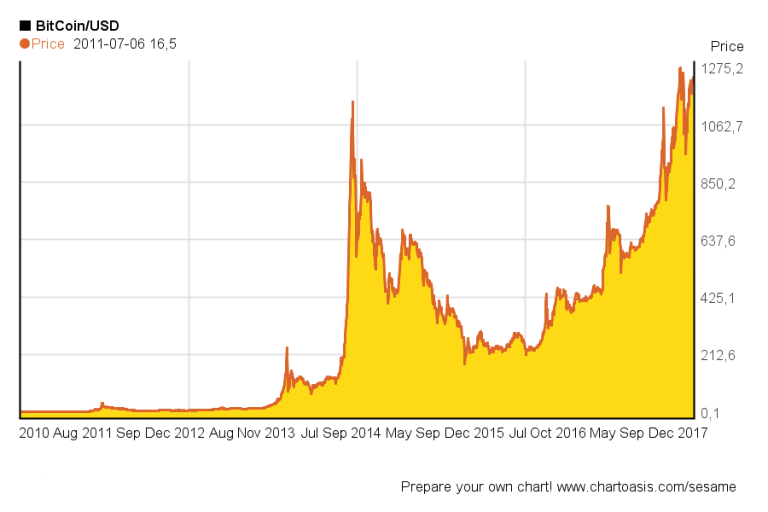
Cryptocurrency trading has exploded in popularity, leading to a plethora of exchange platforms. Navigating this landscape can be daunting, especially when considering the varying fees. This guide provides a comprehensive overview of different crypto exchange platforms, examining their fee structures, and helping you choose the right platform for your needs.

Understanding the nuances of fees is critical. Some platforms prioritize low trading fees, while others prioritize security or user experience. This exploration will delve into the factors that influence these choices, ultimately empowering you to make informed decisions about your crypto investments.

Introduction to Cryptocurrency

Cryptocurrency represents a revolutionary shift in how we handle value and transactions. It leverages cryptography and decentralized networks to create digital currencies, independent of central banks or governments. This decentralized nature offers significant potential benefits in terms of security and accessibility, but also presents unique challenges. Understanding the nuances of cryptocurrency is essential for anyone navigating the digital financial landscape.Cryptocurrencies are digital or virtual currencies designed to work as a medium of exchange.

They rely on cryptography for security and are typically decentralized, meaning they aren’t controlled by any single entity. This distinction sets them apart from traditional fiat currencies. Understanding their diverse types and historical context is key to appreciating their impact.

Fundamental Concepts of Cryptocurrency

Cryptocurrencies are built upon the principles of cryptography, which secures transactions and ensures the integrity of the system. Decentralization is another key concept; the network of users validates transactions instead of a central authority. This structure offers potential advantages in terms of transparency and resilience to censorship.

Different Types of Cryptocurrency

Cryptocurrencies are diverse in their design and functionality. While Bitcoin is the most well-known example, other cryptocurrencies like Ethereum and Litecoin have emerged with unique features. The variations in their architecture and applications create a dynamic landscape.

History and Evolution of Cryptocurrency

The concept of cryptocurrency emerged in the early 2000s, with Bitcoin’s creation in 2009 marking a significant milestone. The development of blockchain technology, the underlying structure of many cryptocurrencies, enabled the secure and transparent recording of transactions. Subsequent years have seen the rise of various cryptocurrencies, each with its own set of characteristics and use cases.

Use Cases and Applications Beyond Financial Transactions

Beyond their use as a means of exchange, cryptocurrencies have applications in various sectors. Smart contracts, for example, enabled on platforms like Ethereum, can automate agreements and transactions, potentially revolutionizing industries like supply chain management and legal contracts.

Comparison of Cryptocurrency Types

Different cryptocurrencies offer distinct features and functionalities. Some prioritize speed and transaction costs, while others focus on smart contract capabilities or decentralized finance (DeFi) applications. Understanding these differences is critical for making informed decisions about which cryptocurrency might best suit specific needs.

Key Characteristics of Various Cryptocurrencies

Cryptocurrency Unique Features Functionality
Bitcoin (BTC) First and most well-known cryptocurrency; focus on secure and fast transactions. Primary use as a medium of exchange; also used for investments.
Ethereum (ETH) Platform for decentralized applications (dApps); supports smart contracts. Facilitates development of decentralized applications and smart contracts.
Litecoin (LTC) Faster transaction speeds compared to Bitcoin; designed for broader adoption. Focus on faster transactions than Bitcoin, aiming for greater accessibility.

Overview of Cryptocurrency Exchanges

A Guide To The Best Crypto Exchange With The Lowest Fees - Buxvertise

Cryptocurrency exchanges are crucial platforms for trading cryptocurrencies. They act as intermediaries, connecting buyers and sellers, enabling seamless transactions and facilitating the growth of the cryptocurrency market. Understanding how these exchanges function is essential for anyone looking to participate in the digital asset space.Cryptocurrency exchanges provide a marketplace where users can buy, sell, and trade various cryptocurrencies. This centralized system simplifies the process compared to direct peer-to-peer transactions, often requiring complex procedures and potentially higher risks.

Exchanges often offer advanced features like order books, charts, and trading tools to enhance the user experience and trading strategies.

Types of Cryptocurrency Exchanges

Cryptocurrency exchanges are categorized into different types based on their operational models. Understanding these categories helps users assess the risks and benefits associated with each type.

  • Centralized Exchanges (CEXs): These exchanges operate as a central intermediary, holding custody of user funds and assets. They typically offer a wider range of cryptocurrencies and trading options, and often have robust security measures in place. Examples include Coinbase, Binance, and Kraken. A key characteristic of CEXs is their centralized control over user assets, which may expose users to potential risks of hacks or operational failures if not carefully vetted.

  • Decentralized Exchanges (DEXs): Unlike CEXs, DEXs operate on a peer-to-peer basis, eliminating a central authority. Transactions are executed directly between users without the involvement of a third party. This approach enhances user privacy and control over their assets, but may require more technical expertise and potentially offer a less user-friendly experience compared to CEXs. Examples include Uniswap and SushiSwap.

    However, security remains a critical concern for DEX users, as the lack of a central authority means users are responsible for safeguarding their own assets and following the security guidelines of the specific DEX.

Essential Features for Users

Selecting the right cryptocurrency exchange is crucial for a smooth and secure trading experience. Key features to consider include security measures, trading tools, and user interface.

  • Security Measures: Robust security protocols are paramount, including two-factor authentication, cold storage, and regular security audits. Users should scrutinize the exchange’s security policies to assess its commitment to safeguarding user funds.
  • Trading Tools: A wide range of trading tools, such as charts, order books, and various order types, enhances the trading experience. These tools should facilitate informed decision-making and provide flexibility for different trading strategies.
  • User Interface: A user-friendly interface simplifies navigation and access to essential features. This is particularly important for novice users who may be unfamiliar with the intricacies of cryptocurrency trading.

Selecting the Right Exchange

Choosing the appropriate exchange depends on individual needs and risk tolerance. Consider factors like available cryptocurrencies, trading fees, and the exchange’s reputation.

  • Risk Tolerance: High-risk traders may favor exchanges with more advanced trading tools, while those seeking lower risk might prefer platforms with simpler interfaces and regulated environments.
  • Specific Needs: Consider the types of cryptocurrencies available and the trading volume for each, along with any regulatory compliance standards. For instance, traders looking to focus on specific altcoins may want to explore exchanges that feature those assets.
  • Reputation: Thoroughly research the exchange’s reputation and user reviews before committing to it. A platform with a positive track record and a history of reliability can inspire confidence and peace of mind.

Comparison of Exchange Types

Feature Centralized Exchange (CEX) Decentralized Exchange (DEX)
Security Generally higher due to centralized security measures Generally lower due to decentralized nature, requiring user vigilance
User Friendliness Typically more user-friendly for beginners Often more complex and requiring technical expertise
Trading Fees Usually lower, sometimes with tiered pricing Potentially higher due to network fees and slippage
Regulation Generally more regulated in certain jurisdictions Often less regulated, requiring user due diligence
Custody Exchange holds user assets Users hold their own assets

Exploring Exchange Platforms and Their Fees

Deciding on the right cryptocurrency exchange is crucial for smooth trading and minimizing costs. Different platforms cater to various needs, from novice users to experienced traders, and their fee structures can significantly impact profitability. Understanding these nuances is key to maximizing returns.The landscape of cryptocurrency exchanges is dynamic and competitive, with platforms constantly evolving their services and fee models.

Factors like security measures, user experience, and available trading options influence a platform’s popularity and pricing strategies. Examining the fee structures of different exchanges helps users make informed choices that align with their trading strategies.

Prominent Exchange Platforms and User Experiences

Several prominent cryptocurrency exchanges have gained significant traction due to their user-friendly interfaces and robust security measures. Binance, Coinbase, and Kraken are among the most recognized, each offering unique features and functionalities. User-friendliness is often assessed through ease of navigation, intuitive design, and availability of various tools and resources for users. Security protocols are crucial, and platforms with robust measures, such as multi-factor authentication and cold storage, often attract a higher volume of users.

Fee Structures and Their Components

Cryptocurrency exchange fees are multifaceted and encompass various transaction types. Commonly, exchanges charge fees based on maker and taker orders, as well as withdrawal fees for moving funds from the platform. Maker fees apply when an order adds liquidity to the order book, while taker fees apply when an order consumes liquidity. Understanding these components is essential for calculating the overall cost of trading.

Comparison of Trading Fees Across Exchanges

Different exchanges employ diverse fee structures, and comparing these is crucial for informed decision-making. Maker fees, typically lower than taker fees, incentivize market participants to provide liquidity. Taker fees, on the other hand, compensate those who consume liquidity. Withdrawal fees vary based on the cryptocurrency being withdrawn and the exchange’s policies. Analyzing these differences helps traders select the most cost-effective exchange for their trading style.

For instance, a high-volume trader might prioritize an exchange with low maker fees, while a retail investor might prioritize a user-friendly platform with competitive withdrawal fees.

Factors Influencing Exchange Fees

Several factors influence the fee structure of a cryptocurrency exchange. These include the exchange’s volume of trading activity, the level of security measures implemented, and the costs associated with maintaining the platform’s infrastructure. Highly liquid markets, with a large number of active traders, often correlate with lower fees. The need for enhanced security measures, like multi-factor authentication or cold storage, may contribute to higher fees.

Competition in the market can also affect fees, with exchanges often adjusting their pricing strategies to remain competitive.

Fee Structure Table of Major Exchanges

Exchange Maker Fee (Example) Taker Fee (Example) Withdrawal Fee (Example)
Binance 0.05% 0.10% Variable (depending on cryptocurrency)
Coinbase 0.05% 0.10% Variable (depending on cryptocurrency)
Kraken 0.15% 0.25% Variable (depending on cryptocurrency)

Note: Fees are subject to change and may vary depending on the specific cryptocurrency and the volume traded. This table provides a general overview.

Fee Structures and Their Implications

Cryptocurrency exchange fees significantly impact an investor’s profitability. Understanding these fee structures is crucial for making informed decisions and maximizing returns. Different exchange platforms employ various fee models, each with its own set of advantages and disadvantages. This section delves into the intricacies of these models, highlighting their impact on transaction costs and overall investor experience.

Impact on Profitability

Trading fees directly reduce the profit generated from successful trades. A high fee on a large trade can eat into the potential gains, potentially impacting overall profitability. Conversely, a low fee can be beneficial for high-volume traders, as it allows them to maximize their returns. For instance, a trader executing 1000 transactions per month with a 0.1% fee will pay considerably more than a trader executing 10 transactions with the same fee structure.

The magnitude of the impact depends on the trading volume and the fee structure employed.

Impact on Transaction Costs

Different fee structures affect the cost of transactions in distinct ways. Fixed fees are a flat amount for each transaction, regardless of the trade size. Percentage-based fees are calculated as a percentage of the traded amount, thus varying with the trade size. This variation in fee structures significantly impacts transaction costs. For example, a $100 trade with a 0.1% fee will cost $0.10, whereas a $10,000 trade with the same fee will cost $10.

This exemplifies the importance of understanding the specific fee structure of a given exchange platform.

Comparison of Fee Structures Across Exchanges

Various cryptocurrency exchanges employ diverse fee structures. Some exchanges use tiered fee structures, offering lower fees for higher trading volumes. Others might charge a combination of fixed and percentage-based fees. For instance, a platform might have a 0.1% fee on trades above $10,000 and a flat fee of $5 for smaller trades. Understanding these differences across exchanges is essential for cost-effective trading.

Analysis of Fee Models

Different fee models have their advantages and disadvantages. Fixed fees offer predictable costs, which can be beneficial for users who conduct a consistent volume of smaller trades. Percentage-based fees, however, might be more favorable for high-volume traders, as the cost per transaction can decrease with increased volume. This flexibility in percentage-based fees, however, introduces volatility in the overall cost.

Tiered fee structures incentivize increased trading volume, offering progressively lower fees for higher volumes.

Table of Fee Models and Impact on User Experience

Fee Model Description Impact on User Experience
Fixed Fee A flat amount per transaction. Predictable costs, suitable for consistent smaller trades. Potential for higher cost on larger trades.
Percentage-Based Fee Calculated as a percentage of the traded amount. Variable costs, potentially lower cost per transaction for high-volume traders. Uncertainty in overall costs.
Tiered Fee Lower fees for higher trading volumes. Incentivizes high-volume trading. Requires a certain trading volume to experience the benefits.
Combination Fee A combination of fixed and percentage-based fees. Offers flexibility for various trading styles. Understanding the thresholds is crucial.

Factors Affecting Exchange Platform Choice

Selecting the right cryptocurrency exchange is crucial for a smooth and secure trading experience. Considerations extend beyond just the advertised fees, encompassing a wide range of factors that impact the overall user experience and long-term investment success. These factors are vital for ensuring safety, ease of use, and reliable support.

Security Considerations

A robust security infrastructure is paramount when choosing a cryptocurrency exchange. Compromised platforms can lead to significant financial losses for users. Exchanges should employ multiple layers of security, including encryption protocols, multi-factor authentication, and regular security audits. The presence of cold storage for a significant portion of assets further enhances security, as these funds are not connected to the internet and are less susceptible to hacking attempts.

Implementing security measures is an ongoing process, as cyber threats evolve. Vigilance in security protocols is critical.

User Experience and Platform Usability

A user-friendly interface significantly impacts the trading experience. Intuitive navigation, clear transaction processes, and a well-organized platform structure are essential for ease of use. The platform should offer various tools and features, such as charting tools, order types, and advanced trading options. A smooth user experience, free of technical glitches and slow loading times, translates to a more positive and productive trading environment.

Importance of Customer Support

Responsive and helpful customer support is vital. Users should have multiple avenues for support, including email, live chat, and phone. Prompt and accurate responses to inquiries and efficient resolution of issues are crucial. Effective customer support reduces stress and frustration, and helps resolve any problems encountered swiftly and efficiently.

Regulatory Compliance and Platform Reliability

Regulatory compliance plays a significant role in selecting a reliable platform. Exchanges operating within a regulated framework are more likely to adhere to best practices and maintain user funds securely. A history of compliance, clear transparency, and verifiable licensing information should be considered. This factor is essential for long-term trust and confidence in the platform’s integrity.

Comparative Analysis of Exchange Platforms

Exchange Platform Security User Experience Customer Support
Binance Strong security measures, multiple layers of protection Intuitive interface, diverse trading options Generally responsive, multiple support channels
Coinbase Robust security measures, strong reputation User-friendly interface, beginner-friendly Excellent support, comprehensive FAQs
Kraken High security standards, cold storage Advanced features, professional trading tools Dedicated support team, accessible channels
Gemini Industry-standard security, secure platform Clean and user-friendly design, easy navigation Responsive and helpful support team

Note: This table is a simplified representation and does not cover all aspects of each exchange platform. Thorough research and user reviews are essential for a comprehensive evaluation. Platform security is not static; it is important to monitor and update this information regularly. User experience is subjective and can vary from person to person. Different user needs and trading styles will influence the perception of usability.

Practical Examples of Exchange Platforms

Cryptocurrency exchanges offer a diverse range of functionalities and features, catering to different user needs and risk tolerances. Understanding the specifics of popular platforms, both centralized and decentralized, is crucial for making informed investment decisions. This section will provide practical examples to illustrate the key differences in platform characteristics, fees, and user experience.

Popular Centralized Exchange Platform: Binance

Binance, a prominent centralized exchange, stands out for its vast selection of cryptocurrencies, competitive trading fees, and comprehensive features. Its robust platform facilitates trading activities across a broad spectrum of assets.

  • Features: Binance offers a wide array of trading options, including spot trading, margin trading, futures trading, and options trading. It boasts a user-friendly interface, enabling seamless navigation and execution of trades. The platform provides extensive educational resources and supports various payment methods. A strong emphasis on security measures, such as two-factor authentication, contributes to its appeal.

    The availability of a robust API for advanced users further enhances the platform’s functionality.

  • Fees: Binance’s fee structure is generally competitive, varying based on trading volume and chosen trading pair. Lower fees are typically offered to high-volume traders. However, transaction fees are not always the only cost; consider potential network fees and other platform charges when evaluating the total cost of trading.
  • User Interface and Navigation: Binance’s user interface is designed for ease of use, with intuitive navigation and clear display of market data. The platform’s layout is organized, allowing users to quickly locate necessary information and execute trades efficiently. The dashboard offers a comprehensive overview of user accounts, pending orders, and transaction history. Clear labeling of trading tools and features enhances user comprehension.

Well-Regarded Decentralized Exchange Platform: Uniswap

Uniswap, a leading decentralized exchange (DEX), operates on blockchain technology, offering a peer-to-peer trading environment. It prioritizes transparency and security, with its automated market maker (AMM) model.

  • Features: Uniswap’s core feature is its AMM, automatically matching buy and sell orders without intermediaries. The platform is renowned for its ease of use for swapping tokens directly on the blockchain, often with lower fees compared to centralized exchanges. Its integration with other decentralized applications (dApps) expands its utility.
  • Fees: Uniswap’s fees are typically lower than those of centralized exchanges, often expressed as a percentage of the traded volume. These fees are transparently displayed and are directly related to the liquidity provided by other users. The transaction fees, often referred to as “gas fees,” vary based on the blockchain’s network congestion.
  • User Interface and Navigation: Uniswap’s interface, while less complex than Binance’s, provides essential information regarding the trading pairs, swap amounts, and fees. Its streamlined design focuses on simplicity and direct functionality, facilitating user interactions with the platform’s core swap feature. The user interface is generally user-friendly, though familiarity with blockchain technology may be helpful.

Case Study: Fee Influence on Investment Decisions

A trader considering investing in a new cryptocurrency, say “Project X,” might compare the fees charged by different exchanges for trading the asset. If Binance charges a lower fee for trading Project X than a smaller, less-established DEX, the lower cost might encourage the trader to choose Binance, even if the DEX offers a slightly better trading experience.

Conclusion

Navigating the cryptocurrency exchange landscape involves understanding the nuances of various platforms and their associated fees. This exploration has highlighted the diverse fee structures and their implications for traders, ultimately impacting the profitability of cryptocurrency investments. The decision of which exchange to use is a crucial one, requiring careful consideration of individual trading needs and risk tolerance.

Key Aspects of Exchange Platforms and Fees

Different cryptocurrency exchanges cater to various user needs, offering a spectrum of features and fee structures. Some platforms prioritize high trading volume, while others emphasize security or specific asset support. Transaction fees, often categorized as maker and taker fees, can significantly influence profitability. Fees are not always transparent, sometimes hidden in exchange rates or other charges. Understanding the intricacies of each exchange’s fee structure is paramount for informed decision-making.

Significance of Fees in Cryptocurrency Trading

Fees are an integral component of cryptocurrency trading, impacting profitability and the overall cost of transactions. They can vary significantly between exchanges, affecting the attractiveness of different platforms. By understanding the fee structure, traders can optimize their strategies to minimize costs and maximize returns. Fees can represent a substantial portion of profits, especially for high-volume traders.

Recommendations for Selecting an Appropriate Exchange

Selecting the right cryptocurrency exchange is crucial for successful trading. Consider factors such as trading volume, security measures, available asset types, and, most importantly, the exchange’s fee structure. Begin by identifying the specific needs of your trading style. A platform focused on high-volume trading may not be suitable for someone engaging in infrequent, smaller transactions. Thoroughly research different exchanges, comparing features, and scrutinizing fee structures before committing to a platform.

Comprehensive Summary of Main Points

This analysis has examined the diverse landscape of cryptocurrency exchanges, focusing on the crucial role of fees in determining profitability. It has emphasized the need for traders to understand the various fee structures and how they impact individual trading strategies. The choice of an exchange should be based on a comprehensive evaluation of trading needs, security, asset availability, and, crucially, the exchange’s fee structure.

Key Takeaways and Recommendations for Users

Exchange Feature Importance Recommendation
Trading Volume High volume exchanges may offer lower fees but require more capital to participate effectively. Evaluate your trading volume and capital resources to match with an exchange that aligns with your needs.
Security Measures Robust security measures protect user funds and assets. Prioritize exchanges with strong security protocols, including multi-factor authentication.
Asset Availability The range of cryptocurrencies supported by an exchange can influence your trading options. Choose an exchange that supports the assets you wish to trade.
Fee Structure Maker and taker fees significantly affect profitability. Carefully compare fee structures across different exchanges to identify the most cost-effective option.

Ultimately, the decision rests on a balance of individual trading needs and preferences, always remembering to prioritize security and transparent fee structures.

Outcome Summary

In conclusion, selecting the optimal crypto exchange platform hinges on careful consideration of various factors, including fees, security, and user experience. This guide has illuminated the intricacies of different exchange models and their associated costs. By understanding these key aspects, you can confidently choose a platform that aligns with your investment goals and risk tolerance.

Helpful Answers

What are the different types of crypto exchanges?

Crypto exchanges can be centralized or decentralized. Centralized exchanges operate as intermediaries, while decentralized exchanges (DEXs) facilitate peer-to-peer transactions directly. Each type has distinct characteristics, affecting fees and security.

How do maker and taker fees work?

Maker fees apply to those who add liquidity to the market by providing orders. Taker fees apply to those who execute orders by taking liquidity from the market. Understanding these nuances is crucial for managing trading costs.

What factors influence crypto exchange fees?

Various factors influence exchange fees, including transaction volume, platform liquidity, and the type of cryptocurrency traded. Some platforms may offer discounts for high-volume traders.

Are there any hidden fees on crypto exchanges?

While some exchanges list their fees clearly, some may include hidden charges or fees that aren’t immediately apparent. Always thoroughly review the terms and conditions before signing up to avoid unexpected costs.

Kicking off with health benefits of olives, it’s fascinating to explore how these small fruits pack a powerful punch in terms of nutrition and wellness. With their rich history in Mediterranean cuisine, olives are not just a delightful snack but a treasure trove of health benefits that can enhance your daily diet.

From their impressive nutritional profile, which includes essential vitamins and healthy fats, to their role in promoting heart health and skin vitality, olives are a versatile food that deserves a spot on your plate. Their unique properties, combined with the culinary traditions surrounding them, make olives a must-know ingredient for anyone looking to improve their health.

Nutritional Profile of Olives

Olives are more than just a delicious addition to salads and tapenades; they boast an impressive nutritional profile that can contribute significantly to a balanced diet. Rich in vitamins, minerals, and healthy fats, olives provide a plethora of health benefits that are worth exploring.The caloric content of olives is relatively low, with a serving size of about 100 grams containing approximately 115 calories.

This makes them a great snack option for those looking to maintain or lose weight while still enjoying flavorful foods. Olives are primarily composed of healthy fats, particularly monounsaturated fats, which play a crucial role in heart health. The presence of these fats is significant because they can help lower bad cholesterol levels, ultimately reducing the risk of heart disease.

Key Vitamins and Minerals

Olives contain a variety of essential vitamins and minerals that contribute to overall health. Here are some of the key nutrients found in olives:

  • Vitamin E: This powerful antioxidant helps protect cells from oxidative damage and supports skin health.
  • Iron: Essential for the production of red blood cells, iron plays a crucial role in transporting oxygen throughout the body.
  • Copper: This mineral aids in iron absorption and supports cardiovascular health.
  • Calcium: Important for strong bones and teeth, calcium also plays a role in muscle function.
  • Vitamin A: Essential for vision and immune function, this vitamin is vital for maintaining overall health.

The combination of these vitamins and minerals not only enhances the nutritional value of olives but also contributes to various bodily functions, making them a smart choice for health-conscious individuals.

Healthy Fats in Olives

The primary type of fat found in olives is monounsaturated fat, which has been linked to numerous health benefits. These healthy fats can help decrease inflammation and lower the risk of chronic diseases. Here are some advantages of incorporating healthy fats from olives into your diet:

  • Heart Health: Monounsaturated fats can improve cholesterol levels, reducing the risk of heart disease.
  • Weight Management: Healthy fats promote satiety, helping you feel full longer and potentially aiding in weight control.
  • Blood Sugar Regulation: These fats may assist in stabilizing blood sugar levels, which is beneficial for those with diabetes.
  • Nutrient Absorption: Healthy fats in olives can help the body absorb fat-soluble vitamins (A, D, E, and K) more effectively.

Incorporating olives into your meals not only adds flavor but also enriches your diet with these vital nutrients and healthy fats, making them a worthy addition to a balanced lifestyle.

Health Benefits of Olive Oil

Olive oil is a staple of the Mediterranean diet and is revered not just for its culinary uses but also for its numerous health benefits. Incorporating olive oil into your diet can significantly impact your overall health, particularly when it comes to heart health, inflammation, and weight management. This golden liquid is packed with beneficial compounds that contribute to its reputation as a health-promoting oil.

Advantages of Using Olive Oil for Heart Health

Olive oil is known for its heart-healthy properties, primarily due to its high monounsaturated fat content, particularly oleic acid. Consuming olive oil can help lower bad LDL cholesterol levels while raising good HDL cholesterol levels. This favorable lipid profile is instrumental in reducing the risk of cardiovascular diseases. The Mediterranean diet, which is rich in olive oil, has been linked to lower incidences of heart disease.Research supports these benefits.

A study published in the journal “Circulation” found that participants who consumed a Mediterranean diet supplemented with extra virgin olive oil had a 30% lower risk of heart disease compared to those on a low-fat diet. This highlights the crucial role olive oil plays in maintaining cardiovascular health.

Anti-Inflammatory Properties of Olive Oil

Olive oil is not only beneficial for heart health; it also exhibits remarkable anti-inflammatory properties, which can help mitigate various chronic health issues. The key component responsible for this effect is oleocanthal, a compound found in extra virgin olive oil that has been shown to have effects similar to ibuprofen in reducing inflammation.Numerous studies have shed light on these properties.

For instance, research published in the journal “Nature” indicated that oleocanthal could inhibit inflammation by blocking specific enzymes that contribute to inflammation and pain. Regular consumption of olive oil may help alleviate symptoms of conditions such as arthritis and other inflammatory disorders.

Olive Oil Consumption and Weight Management

Incorporating olive oil into your diet can also be advantageous for weight management. Despite being calorically dense, the monounsaturated fats in olive oil can promote satiety, helping individuals feel fuller for longer. This can lead to reduced overall calorie intake throughout the day.Additionally, a study published in the “American Journal of Clinical Nutrition” found that participants who included olive oil in their diet lost more weight compared to those who followed a low-fat diet.

The study emphasized that the type of fats consumed is more critical than the amount, suggesting that healthy fats like those found in olive oil can facilitate weight loss when part of a balanced diet.In summary, the health benefits of olive oil are vast and well-documented. From supporting heart health and reducing inflammation to aiding in weight management, olive oil is a versatile and nutritious addition to any diet.

Antioxidant Properties

Olives are not only a delicious addition to various dishes but also pack a powerful punch when it comes to health benefits, primarily due to their rich antioxidant content. Antioxidants play a crucial role in protecting our bodies from oxidative stress, which can lead to a myriad of health issues including chronic diseases and aging. Understanding the specific antioxidants found in olives and how they function can highlight their importance in a healthy diet.The primary antioxidants present in olives include vitamin E, oleuropein, and hydroxytyrosol.

These compounds work synergistically to neutralize free radicals—unstable molecules that can cause cellular damage. By combating oxidative stress, antioxidants help mitigate the risks associated with various illnesses, particularly those related to heart disease and cancer. The presence of these antioxidants can significantly reduce inflammation and support overall health.

Role of Antioxidants in Disease Prevention

Antioxidants are essential in preventing diseases by defending cells from oxidative damage. Here’s a closer look at how antioxidants from olives contribute to disease prevention:

Cardiovascular Health

The antioxidants in olives, especially oleuropein, support heart health by reducing LDL cholesterol oxidation, which is a key factor in the development of atherosclerosis. Studies show that a diet including olives can lower blood pressure and enhance blood vessel function.

Cancer Prevention

Hydroxytyrosol has been linked to a reduced risk of certain cancers, including breast and colon cancer. It inhibits cell proliferation and promotes apoptosis (programmed cell death) in cancer cells, effectively slowing down tumor growth.

Cognitive Function

Antioxidants may protect against neurodegenerative diseases such as Alzheimer’s by reducing oxidative stress in brain cells. Research suggests that regular consumption of olives can improve memory and cognitive function.

Diabetes Management

The anti-inflammatory properties of olive antioxidants can aid in insulin sensitivity, which is crucial for managing type 2 diabetes. The consumption of olive oil has been associated with lower blood sugar levels and improved metabolic health.

Anti-inflammatory Effects

Chronic inflammation is at the root of many diseases. The antioxidants found in olives, like vitamin E, can help reduce levels of inflammation in the body, thus lowering the risk of developing conditions such as arthritis and autoimmune disorders.By incorporating olives into the diet, individuals can take a proactive approach toward enhancing their health and preventing disease through the powerful effects of antioxidants.

Olives in Mediterranean Diet

Olives play a pivotal role in the Mediterranean diet, which is renowned not only for its delicious flavors but also for its numerous health benefits. Rich in healthy fats and antioxidants, olives contribute significantly to the overall nutritional profile of this dietary pattern. They are not merely a garnish but a mainstay that enhances both taste and health.The Mediterranean diet emphasizes whole foods, seasonal fruits and vegetables, whole grains, and healthy fats, particularly from olive oil and olives.

Adopting this dietary pattern has been linked to a decreased risk of chronic diseases, improved heart health, and better cognitive functions. Olives are integral in this diet, providing essential nutrients and promoting overall wellness. Studies indicate that regular consumption of olives and olive oil can lead to improved inflammatory markers and better cardiovascular health.

Traditional Mediterranean Dishes Featuring Olives

Olives are not just an accompaniment; they serve as a key ingredient in various traditional Mediterranean dishes that showcase their versatility and flavor. Here are some examples that highlight the significance of olives in Mediterranean cuisine:

  • Tapenade: A classic spread made from pureed olives, capers, and anchovies, often served on bread or crackers, making for a savory appetizer.
  • Greek Salad: A vibrant dish that combines tomatoes, cucumbers, feta cheese, and olives, drizzled with olive oil and sprinkled with oregano for a refreshing taste.
  • Olive and Herb Focaccia: A fragrant Italian bread topped with olives and aromatic herbs, perfect as a starter or a snack.
  • Panzanella: A Tuscan bread salad that incorporates stale bread, ripe tomatoes, cucumbers, and olives, all dressed in a generous amount of olive oil.
  • Chicken Marbella: A dish that features chicken marinated with olives, prunes, and capers, showcasing a balance of savory and sweet flavors.

Each of these dishes illustrates not only the culinary significance of olives but also their role in promoting a balanced diet rich in flavor and nutrition. Incorporating olives into meals can enhance the overall health benefits associated with the Mediterranean diet, making it both enjoyable and beneficial.

Potential Health Risks

While olives and olive products offer numerous health benefits, it’s important to be aware of certain potential health risks associated with their consumption. Understanding these risks can help individuals make informed dietary choices and enjoy olives safely.Health considerations regarding olives often revolve around their sodium content, particularly in specific products like brined olives. Many olives are cured in a salt solution, which enhances their flavor but significantly increases their sodium levels.

High sodium intake can lead to elevated blood pressure and increase the risk of heart disease. Therefore, individuals managing hypertension or those advised to limit sodium consumption should carefully check labels and opt for low-sodium or rinsed varieties when possible.

Sodium Content in Olive Products

The sodium content in olives can vary widely based on the curing process. Here are key points to consider:

  • Brined olives typically contain high levels of sodium, which can range from 500 to over 2000 mg per serving, depending on the brand and preparation method.
  • Dry-cured olives tend to have a lower sodium content, but it’s always best to read the nutrition label for specific information.
  • Rinsing olives can remove some of the excess sodium, making them a healthier option for those concerned about their salt intake.

Allergic reactions to olives, while rare, can occur in certain individuals. Symptoms of an olive allergy may include itching, swelling, hives, or gastrointestinal distress. Although olives belong to the Oleaceae family, which includes other fruits like lilacs and ash trees, cross-reactivity can happen. It’s vital for those with known allergies to tree nuts or pollen to approach olive consumption cautiously and consult a healthcare professional if any adverse reactions arise.

Potential Allergic Reactions to Olives

Signs of an olive allergy can manifest in various forms. Here’s what to look out for:

  • Skin reactions such as hives or dermatitis.
  • Gastrointestinal symptoms, which may include nausea or diarrhea.
  • Respiratory issues like nasal congestion or asthma attacks, particularly if there is a history of pollen allergies.

Individuals with certain health conditions should also exercise caution when consuming olives. For instance, those with kidney disorders may need to monitor their potassium intake since olives can be high in this mineral. Additionally, individuals on anticoagulant medications, such as warfarin, should consult their healthcare provider before adding olives to their diet, as olives have Vitamin K, which can interfere with these medications.

Precautions for Specific Health Conditions

When considering olives in the diet, it’s important to keep the following precautions in mind:

  • People with high blood pressure should limit high-sodium olive products and opt for low-sodium options.
  • Those with kidney issues should consult a healthcare professional regarding potassium content in olives.
  • Individuals taking anticoagulants should be aware of Vitamin K levels in olives to prevent potential interactions with their medication.

Cultivation and Harvesting Practices

The cultivation and harvesting of olives is a blend of traditional methods and modern agricultural practices, ensuring the production of high-quality olives while being mindful of the environment. Olive trees, known for their resilience and longevity, require specific conditions and care to thrive, making their cultivation an art form in itself. Olive cultivation involves several key practices that contribute to the health of both the trees and the overall ecosystem.

One of the most critical aspects is the choice of location, as olive trees flourish in Mediterranean climates characterized by hot, dry summers and mild, wet winters. The soil must be well-drained, often sandy or loamy, to prevent waterlogging, which can damage the roots.

Cultivation Methods

Various methods are utilized in the cultivation of olive trees, including:

  • Traditional Planting: In many regions, olives are still planted using traditional methods, where young trees are spaced appropriately to allow for growth and airflow. This method often involves hand-planting to ensure the roots are not damaged.
  • Organic Farming: Increasingly, olive growers are adopting organic practices that avoid synthetic pesticides and fertilizers, promoting biodiversity and soil health. This method often leads to higher quality olives and reduces environmental impact.
  • Drip Irrigation: To optimize water usage, especially in arid regions, many olive farms implement drip irrigation systems. This technique delivers water directly to the roots, ensuring that the trees receive adequate moisture without waste.

Sustainable harvesting practices are essential to maintain the health of olive groves and ensure the continuity of production.

Sustainable Harvesting Practices

Sustainable harvesting focuses on methods that minimize harm to the trees and their environment. Key practices include:

  • Hand Harvesting: This traditional technique involves picking olives by hand, which is gentler on the trees and helps to prevent damage to the fruit. Hand harvesting also allows for selective picking, ensuring that only ripe olives are collected.
  • Mechanical Harvesting: In larger orchards, mechanical harvesters are used. These machines gently shake the trees to dislodge ripe olives, which fall onto nets spread out below, reducing waste and labor costs.
  • Timing of Harvest: Harvesting at the right time is crucial for quality. Olives are typically harvested in the fall when they reach optimal ripeness, which not only ensures better flavor and oil quality but also supports tree health by allowing for adequate nutrient uptake.

The environmental benefits of olive farming extend beyond the production of olives and oil.

Environmental Benefits of Olive Farming

Olive farming offers several environmental advantages, including:

  • Biodiversity Support: Olive groves can serve as habitats for various species, enriching local ecosystems. The diversity of plants and animals can enhance soil health and reduce pest populations.
  • Soil Preservation: The root systems of olive trees improve soil structure and prevent erosion. Their deep roots also help in retaining water, making them valuable in arid regions.
  • Carbon Sequestration: Olive trees absorb carbon dioxide from the atmosphere, contributing to greenhouse gas mitigation. This makes olive farming a positive step towards combating climate change.

Culinary Uses of Olives

Olives are not just a savory snack; they play a versatile role in many culinary traditions around the world. Their unique flavor and health benefits make them an essential ingredient in various dishes, especially in Mediterranean cuisine. The richness of olives can add depth to your meals, whether in salads, pasta dishes, or as a key component in dips and spreads.Incorporating olives into your cooking offers not only a burst of flavor but also a range of health benefits, including heart-healthy fats, antioxidants, and anti-inflammatory properties.

Here are some popular dishes that incorporate olives, along with their health benefits.

Popular Dishes Featuring Olives

When it comes to using olives in the kitchen, several dishes stand out. Below are examples of popular dishes and their associated health benefits:

  • Tapenade: A classic French spread made from finely chopped olives, capers, and olive oil, tapenade is rich in healthy fats and antioxidants. It’s often served with bread or vegetables.
  • Greek Salad: This refreshing salad features olives, tomatoes, cucumbers, and feta cheese, offering a wealth of nutrients, including vitamins A and C, as well as calcium.
  • Pizza: Olives are a popular topping for pizzas, enhancing flavor while providing heart-healthy monounsaturated fats.
  • Pasta Puttanesca: This flavorful Italian dish includes olives, tomatoes, and anchovies, delivering a punch of umami and beneficial nutrients like iron and fiber.
  • Stuffed Olives: Often filled with garlic, cheese, or almonds, stuffed olives are a delicious snack that can be high in healthy fats and protein.

Creative Ways to Use Olives in Everyday Cooking

Olives can be used in various creative ways to elevate common meals. Their versatility allows them to blend seamlessly into different cuisines and cooking styles. Here are some ideas for incorporating olives into your everyday dishes:

  • Add chopped olives to scrambled eggs or omelets for added flavor and a nutrient boost.
  • Use olives as a topping for grilled meats or fish, enhancing the dish with a savory punch.
  • Incorporate olives into grain bowls or quinoa salads for a Mediterranean twist.
  • Blend olives into homemade sauces or vinaigrettes to create a unique flavor profile.
  • Mix olives into dips like hummus or bean dips to introduce a new layer of taste.

Simple Recipe Featuring Olives

Here’s a delightful and easy recipe that showcases olives as a main ingredient: Olive Tapenade Crostini

“A perfect appetizer that is both flavorful and healthy, featuring the rich taste of olives.”

Ingredients:

  • 1 cup of pitted olives (mix of green and black for flavor)
  • 2 tablespoons of capers, rinsed
  • 1 garlic clove
  • 2 tablespoons of olive oil
  • Freshly cracked black pepper to taste
  • French baguette, sliced and toasted

Instructions:

  • In a food processor, combine olives, capers, garlic, and olive oil. Blend until it reaches a chunky consistency.
  • Adjust seasoning with black pepper.
  • Spread the tapenade generously on toasted baguette slices.
  • Serve immediately as an appetizer or a snack.

This simple yet flavorful dish highlights the rich taste of olives and is perfect for entertaining or a quick snack at home. Embrace the culinary potential of olives, and enjoy the myriad flavors and health benefits they bring to your table!

Olives and Skin Health

Olives are not only a delicious addition to meals but also packed with nutrients that can significantly enhance skin health. Rich in vitamins, healthy fats, and antioxidants, olives can help maintain skin elasticity, hydration, and overall appearance. The nourishing properties of olives and olive oil make them excellent choices for improving skin health and combating various skin issues.The primary nutrients in olives that contribute to skin health include vitamin E, oleic acid, and polyphenols.

Vitamin E is a powerful antioxidant that protects the skin from oxidative stress, helping to ward off signs of aging like wrinkles and fine lines. Oleic acid, a monounsaturated fat, aids in maintaining skin hydration and preventing dryness. Polyphenols in olives provide anti-inflammatory benefits, which can help soothe irritated skin and reduce redness.

Benefits of Olive Oil in Skincare Routines

Integrating olive oil into your skincare routine offers numerous advantages. It serves as a natural moisturizer that helps lock in moisture and keep the skin soft and supple. Additionally, olive oil has antibacterial properties, making it effective in preventing infections and promoting healing in minor cuts or blemishes.One of the key benefits of using olive oil is its compatibility with various skin types.

Whether you have oily, dry, or sensitive skin, olive oil can be adjusted to suit your needs. It can be used as a standalone moisturizer or mixed with other ingredients for enhanced effects.To maximize the benefits of olive oil, consider the following tips:

  • Use as a makeup remover: Olive oil effectively dissolves makeup while nourishing the skin. Apply a small amount to a cotton pad and gently wipe away makeup.
  • Body scrub: Combine olive oil with sugar or salt to create an exfoliating scrub that removes dead skin cells, leaving the skin smooth and rejuvenated.
  • Facial mask: Mix olive oil with honey and yogurt for a moisturizing facial mask that hydrates and brightens the complexion.

Homemade Beauty Treatments with Olives

Olives can be incorporated into various DIY beauty treatments that are easy to make and highly effective. These homemade remedies utilize the natural properties of olives to enhance skin health without the need for harsh chemicals.Here are some simple beauty treatments using olives:

  • Olive Oil Face Serum: Combine a few drops of olive oil with essential oils like lavender or tea tree oil to create a nourishing face serum. This blend can help hydrate the skin and reduce blemishes.
  • Olive and Avocado Hydrating Mask: Mash ripe avocado and mix it with olive oil to form a hydrating mask that nourishes dry skin. Apply for 15-20 minutes, then rinse off for a fresh glow.
  • Olive Oil Hair Treatment: For dry or damaged hair, apply warm olive oil to the scalp and hair, leave it in for at least 30 minutes, and then wash out for shiny and revitalized locks.

These treatments highlight the versatility of olives in skincare, showcasing their ability to nourish and improve skin health naturally. Incorporating olives and olive oil into your beauty routine can lead to healthier, more radiant skin.

Ultimate Conclusion

In summary, the health benefits of olives extend beyond their delicious taste and add significant value to your overall well-being. Incorporating olives into your diet can lead to improved heart health, enhanced skin care, and a wealth of antioxidants that combat oxidative stress. So, next time you enjoy olives, relish not just their flavor but also the numerous health advantages they offer!

Query Resolution

What vitamins and minerals are in olives?

Olives are rich in vitamin E, iron, copper, and calcium, contributing to various health benefits.

Can olives help with weight management?

Yes, olives and olive oil can aid in weight management when consumed in moderation due to their healthy fats that promote satiety.

Are olives beneficial for skin health?

Absolutely, the nutrients in olives and olive oil can hydrate the skin and provide anti-aging benefits.

How should I incorporate olives into my diet?

You can add olives to salads, pasta dishes, or enjoy them as a snack on their own for added flavor and nutrients.

Can I consume olives if I have high blood pressure?

Individuals with high blood pressure should be cautious with olives due to their sodium content but can opt for low-sodium options.

Health benefits of jasmine rice are more than just a tasty addition to your meals; they encompass a range of nutritional advantages that can enhance your overall well-being. Known for its fragrant aroma and fluffy texture, jasmine rice is a staple in many cultures, particularly in Southeast Asia, where it’s often paired with a variety of dishes.

This variety of rice boasts a rich nutritional profile, containing essential carbohydrates, vitamins, and minerals that support energy levels, weight management, and digestive health. As we dive deeper into the numerous health benefits, you’ll discover how jasmine rice can play a pivotal role in a balanced diet while also being a delightful culinary experience.

Nutritional Profile of Jasmine Rice

Jasmine rice, a fragrant and versatile grain, is a popular staple in many households, particularly in Southeast Asia. It is known not only for its delightful aroma but also for its nutritional benefits. Understanding the nutritional profile of jasmine rice can help you make informed dietary choices and appreciate the role it plays in a balanced diet.Jasmine rice is primarily composed of carbohydrates, making it an excellent energy source.

In addition to macronutrients, it contains various vitamins and minerals that contribute to overall health. When compared to other types of rice, jasmine rice has distinct nutritional properties that may influence dietary preferences.

Macronutrients in Jasmine Rice

The macronutrient composition of jasmine rice is essential for providing energy and supporting bodily functions. The primary macronutrients found in jasmine rice include:

  • Carbohydrates: Jasmine rice is rich in carbohydrates, with approximately 80 grams of carbs per 100 grams of uncooked rice. This high carbohydrate content makes it a great energy source.
  • Protein: Jasmine rice contains about 4 grams of protein per 100 grams. While it is not a complete protein source, it can complement other protein-rich foods in the diet.
  • Fat: This type of rice is low in fat, with less than 1 gram of fat per 100 grams. This characteristic makes it a suitable option for low-fat diets.

Vitamins and Minerals in Jasmine Rice

Jasmine rice is not just a source of energy; it also provides several essential vitamins and minerals. The following nutrients are significant in jasmine rice:

  • Thiamine (Vitamin B1): Important for carbohydrate metabolism and nerve function.
  • Niacin (Vitamin B3): Supports energy production and healthy skin.
  • Iron: Essential for transporting oxygen in the blood and preventing anemia.
  • Magnesium: Plays a role in over 300 biochemical reactions in the body, including muscle and nerve function.
  • Phosphorus: Important for bone health and energy storage.

Comparison with Other Types of Rice

When comparing jasmine rice with other rice varieties, such as basmati or brown rice, several differences in nutritional content become apparent. Jasmine rice is typically higher in carbohydrates compared to brown rice, which retains its bran and germ layers, resulting in higher fiber content. In contrast, jasmine rice is lower in fiber and may have a higher glycemic index than brown rice, which can affect blood sugar levels.

Nutritional Component Jasmine Rice (100g) Brown Rice (100g) Basmati Rice (100g)
Calories 130 111 120
Carbohydrates 80g 76g 79g
Protein 4g 3g 4g
Fat 0.6g 1g 0.9g

Overall, jasmine rice provides a unique nutritional profile that can be beneficial when included as part of a varied and balanced diet, especially when paired with other nutrient-dense foods.

Health Benefits of Jasmine Rice

Jasmine rice is not just a fragrant and delicious addition to your meals; it also offers various health benefits that can enhance your overall well-being. Rich in carbohydrates and nutrients, jasmine rice serves as a fantastic source of energy, aids in weight management, and contributes positively to digestive health. Let’s explore these benefits in detail.

Contribution to Energy Levels

One of the primary advantages of jasmine rice is its ability to provide a quick and sustained source of energy. High in carbohydrates, jasmine rice offers the necessary fuel that our bodies need for daily activities. The natural sugars and starches present in this rice variety are easily digestible, making them ideal for athletes or anyone needing an energy boost.

Jasmine rice’s carbohydrate content can lead to rapid glucose release, promoting alertness and physical performance.

Eating jasmine rice can help replenish glycogen stores in muscles after physical exertion, making it an excellent option for post-workout meals.

Role in Weight Management

Jasmine rice can be a helpful component in a balanced diet for those looking to manage their weight effectively. Its moderate glycemic index (GI) makes it a preferable option compared to other high-GI carbohydrates. Incorporating jasmine rice into meals can promote satiety, helping to control hunger and prevent overeating. Pairing it with vegetables and proteins can enhance the feeling of fullness.

The fiber content in jasmine rice can also aid in digestion, contributing to a healthy metabolism.

For example, a well-rounded dish containing jasmine rice, lean protein, and plenty of vegetables can create a satisfying meal that supports weight management goals.

Benefits for Digestive Health

The fiber content in jasmine rice is beneficial for digestive health, helping maintain regular bowel movements and preventing issues such as constipation. The soluble fiber present in jasmine rice can also assist in regulating blood sugar levels and lowering cholesterol.When consumed as part of a balanced diet, jasmine rice can promote a healthy gut environment, supporting the growth of beneficial gut bacteria.

A healthy digestive system plays a crucial role in nutrient absorption and overall well-being.

Including jasmine rice in your diet can enhance digestive health, contributing to better nutrient intake and overall vitality.

Glycemic Index and Jasmine Rice

Understanding the glycemic index (GI) is essential for anyone monitoring their carbohydrate intake, especially for those with diabetes or blood sugar management concerns. The glycemic index is a ranking system that measures how quickly carbohydrate-containing food raises blood glucose levels. Foods with a high GI are absorbed quickly, leading to rapid spikes in blood sugar, while those with a low GI result in a more gradual rise, making them healthier options for sustained energy and blood sugar control.Jasmine rice, a popular aromatic variety, has a moderate glycemic index compared to other rice types.

While the exact GI can vary depending on cooking methods and specific varieties, jasmine rice typically has a GI ranging from 68 to 80. In comparison, basmati rice generally falls in the range of 50 to 58, making it a better option for those concerned about blood sugar levels. White rice can also have a high glycemic index, often exceeding that of jasmine rice.

This distinction is crucial for individuals looking to maintain stable blood sugar levels.

Implications of Glycemic Index for Blood Sugar Control

Managing blood sugar effectively is essential for overall health, particularly for those with diabetes or insulin resistance. The glycemic index of jasmine rice highlights its impact on blood sugar levels, making it important to consider portion sizes and accompaniments when including it in meals. Here are some key points to consider regarding the implications of jasmine rice’s glycemic index:

  • Moderation is key: Due to its moderate GI, jasmine rice can be included in a balanced diet, but portion control is necessary to prevent blood sugar spikes.
  • Complementing with fiber: Eating jasmine rice alongside high-fiber foods, such as vegetables or legumes, can lower the overall glycemic impact of the meal.
  • Cooking methods matter: The way jasmine rice is prepared can influence its glycemic response. Cooking it al dente may help maintain a lower GI compared to softer, overcooked rice.
  • Consider substituting: For those highly sensitive to blood sugar fluctuations, substituting jasmine rice with low-GI alternatives like quinoa or brown rice might be beneficial.

Jasmine Rice and Heart Health

Jasmine rice is not only a fragrant and delightful grain but also carries several health benefits that extend to heart health. This aromatic rice is a great source of carbohydrates and essential nutrients that can support overall cardiovascular wellness. Understanding how jasmine rice can contribute to heart health is important for those looking to maintain a balanced and heart-friendly diet.The composition of jasmine rice includes several beneficial phytochemicals and nutrients that can positively impact cardiovascular health.

Whole grain varieties of jasmine rice, in particular, are rich in fiber, which is known to lower cholesterol levels and improve heart function. Additionally, the presence of antioxidants in jasmine rice can help combat oxidative stress in the body, reducing the risk of heart disease. The grain is also low in saturated fat, which is vital for maintaining a healthy heart.

Heart Health Benefits of Jasmine Rice

The health advantages of jasmine rice can be compared to various other foods renowned for their heart-healthy properties. Below is a table showcasing these benefits:

Food Heart Health Benefits
Jasmine Rice Rich in fiber, low in saturated fat, antioxidants present
Oatmeal High in soluble fiber, reduces LDL cholesterol
Quinoa Complete protein, high in magnesium, lowers blood pressure
Chickpeas Rich in fiber and protein, helps improve cholesterol levels
Salmon High in omega-3 fatty acids, reduces inflammation

The unique nutritional components of jasmine rice, like its fiber content and antioxidant properties, make it a valuable addition to a heart-healthy diet. Emphasizing its role within a balanced meal plan can enhance cardiovascular health further, especially when combined with other heart-friendly foods.

Cultural and Culinary Uses of Jasmine Rice

Jasmine rice holds a special place in various culinary traditions, especially across Southeast Asia. Its fragrant aroma and delicate texture make it a popular choice in many traditional dishes. This rice variety pairs beautifully with a variety of flavors, enhancing both the taste and presentation of meals.Jasmine rice is often a staple in Thai cuisine, where it acts as a base for various dishes, including curries and stir-fries.

Its natural sweetness complements spicy foods, making it a versatile choice in many recipes. In addition to Thailand, jasmine rice is also embraced by neighboring countries, creating a rich tapestry of culinary uses.

Traditional Dishes Featuring Jasmine Rice

Several authentic dishes highlight the unique qualities of jasmine rice, showcasing its flavor and texture. Here are some traditional meals where jasmine rice is an essential ingredient:

  • Thai Green Curry: A spicy yet creamy dish made with green curry paste, coconut milk, vegetables, and proteins like chicken or tofu, served over jasmine rice.
  • Sticky Rice with Mango (Khao Niew Mamuang): A beloved Thai dessert combining sweet sticky jasmine rice, ripe mango slices, and drizzled with coconut sauce.
  • Phad Thai: A famous stir-fried noodle dish that often includes jasmine rice as a side, balancing the strong flavors with its fragrant ease.
  • Vietnamese Com tam (Broken Rice): Often served with grilled meats and pickled vegetables, this dish highlights the versatility of jasmine rice.

Healthful Recipes Featuring Jasmine Rice

Incorporating jasmine rice into health-conscious meals can be both delicious and nourishing. Below is a curated list of healthful recipes that showcase this aromatic rice:

  • Vegetable Stir-Fry with Jasmine Rice: A light, colorful mix of seasonal vegetables sautéed and served over jasmine rice, drizzled with a low-sodium soy sauce.
  • Jasmine Rice Salad: A refreshing salad combining jasmine rice, diced cucumbers, tomatoes, parsley, and a lemon vinaigrette, perfect for a light lunch.
  • Curried Lentil Soup with Jasmine Rice: A wholesome soup featuring lentils, spices, and vegetables served alongside jasmine rice for a hearty meal.
  • Stuffed Bell Peppers: Bell peppers filled with a mixture of jasmine rice, black beans, corn, and spices, baked to perfection for a nutritious dinner option.

Popular Cooking Methods for Jasmine Rice

To take full advantage of the health benefits of jasmine rice, specific cooking methods can be employed. Here are some popular methods that enhance its nutritional value:

  • Steaming: A gentle cooking method that preserves nutrients. Jasmine rice is often steamed to retain its flavor and texture, making it a great side dish.
  • Boiling: Cooking jasmine rice in boiling water can enhance its fluffy texture. Ensure to rinse the rice beforehand to remove excess starch for a lighter dish.
  • Slow Cooking: Using a slow cooker allows jasmine rice to absorb flavors from broths and seasonings, creating a rich and wholesome meal.
  • Absorption Method: This method involves cooking jasmine rice with the right amount of water, allowing it to absorb all the liquid for a perfectly fluffy result.

Dietary Considerations and Allergies

Jasmine rice is a popular choice in many cuisines around the world, but it’s essential to consider dietary restrictions and allergies when incorporating it into meals. Understanding the potential allergens and dietary guidelines can help ensure that jasmine rice fits seamlessly into a variety of eating plans.While jasmine rice itself is generally well-tolerated and free from common allergens, certain considerations should be noted.

It is naturally gluten-free, making it a suitable option for individuals with celiac disease or gluten intolerance. However, cross-contamination can occur if jasmine rice is processed in facilities that also handle gluten-containing grains. Therefore, it’s crucial for those with gluten sensitivities to choose certified gluten-free products. Additionally, some people may have sensitivities to rice itself, leading to digestive discomfort.

Common Allergens and Dietary Restrictions

Jasmine rice is predominantly safe for consumption, but individuals should be aware of specific allergens and dietary restrictions that may affect its use. Here are key points to consider:

  • Gluten-Free: Jasmine rice is inherently gluten-free, making it suitable for those with celiac disease or gluten intolerance. Always check for cross-contamination.
  • Rice Allergies: Although rare, some people may be allergic to rice, which can lead to symptoms like itchy skin or digestive issues.
  • Low-Carb Diets: For those following low-carbohydrate diets, such as ketogenic diets, jasmine rice may not align due to its carbohydrate content.
  • Vegan and Vegetarian Diets: Jasmine rice is plant-based and fits well into both vegan and vegetarian diets. It can be paired with various vegetables and legumes to create balanced meals.

Incorporating jasmine rice into various diets can be done thoughtfully through the following guidelines:

  • Gluten-Free Meals: Use jasmine rice as a base for stir-fries or curries, ensuring all other ingredients are also gluten-free.
  • Vegan Recipes: Pair jasmine rice with plant-based proteins like tofu or chickpeas, and add a variety of vegetables for a hearty meal.
  • Balanced Diets: Combine jasmine rice with lean proteins and plenty of vegetables to create well-rounded meals that meet nutritional needs.

“Jasmine rice serves as an excellent foundation for both nutrition and culinary creativity, accommodating various dietary needs.”

By being mindful of these considerations, jasmine rice can be a delightful and versatile addition to meals, catering to diverse dietary lifestyles while providing its unique flavor and health benefits.

Cooking and Preparation Tips

Cooking jasmine rice properly enhances its delightful aroma and flavor while preserving its nutritional benefits. This fragrant rice variety is a staple in many cuisines, and knowing how to cook it well can elevate your meals. Here are some effective practices to ensure your jasmine rice turns out perfectly every time.

Best Practices for Cooking Jasmine Rice

To maximize the health benefits and enjoy the best texture, follow these essential cooking practices:

1. Rinse the Rice

Rinsing jasmine rice under cold water removes excess starch, preventing it from becoming gummy. It’s recommended to rinse until the water runs clear.

2. Soaking

Soaking the rice for 20-30 minutes before cooking can improve texture and reduce cooking time.

3. Water Ratio

Use the correct water-to-rice ratio, typically 1.5 cups of water for every cup of jasmine rice. This helps achieve the perfect consistency.

4. Cooking Method

Choose a cooking method that suits your preference, such as stovetop, rice cooker, or instant pot. Each method has its unique advantages.

5. Let It Rest

After cooking, let the rice sit covered for about 10 minutes. This allows the grains to firm up and makes for fluffier rice.

Common Mistakes to Avoid

Certain pitfalls can lead to subpar jasmine rice, and it’s important to steer clear of these common mistakes:

Overcooking

Cooking jasmine rice too long can make it mushy. Stick to the recommended cooking time based on your method.

Skipping Rinsing

Not rinsing the rice can lead to a sticky texture. Always rinse to achieve ideal results.

Incorrect Water Ratio

Using too much or too little water can affect the rice’s texture. Find the right balance to suit your taste.

Step-by-Step Guide for Preparing Jasmine Rice

Here’s a straightforward guide to effectively prepare jasmine rice:

1. Measure

Start by measuring one cup of jasmine rice.

2. Rinse

Place the rice in a fine-mesh strainer and rinse thoroughly under cold water until the water runs clear.

3. Soak (optional)

If time permits, soak the rinsed rice in cold water for 20-30 minutes to enhance texture.

4. Combine with Water

In a medium saucepan, add the rinsed (and soaked) rice and 1.5 cups of water. Optionally, you can add a pinch of salt for flavor.

5. Boil

Bring the mixture to a rolling boil over medium-high heat.

6. Simmer

Once boiling, reduce the heat to low, cover with a lid, and let it simmer for 15-20 minutes, depending on your stove and cookware.

7. Rest

After the cooking time, remove the saucepan from heat but keep it covered and let it rest for 10 minutes. This step helps to finish cooking the rice.

8. Fluff and Serve

Use a fork to fluff the rice gently before serving, enhancing its texture and aroma.

By following these tips and techniques, you can ensure that every serving of jasmine rice is not only delicious but also nutritious, making it a perfect addition to your meals.

Environmental Impact of Jasmine Rice Cultivation

Jasmine rice, cherished for its aromatic qualities and unique texture, also has significant implications for environmental sustainability. Understanding these aspects is crucial for consumers and farmers alike, as it informs choices that can impact ecosystems and agricultural practices. This section delves into the sustainability of jasmine rice farming, its comparative environmental impact, and the challenges that accompany its cultivation.

Sustainability of Jasmine Rice Farming

Jasmine rice farming can be characterized by various sustainable practices that help maintain ecological balance. Farmers often employ traditional methods, such as crop rotation and organic fertilizers, which contribute to soil health and biodiversity. Moreover, jasmine rice is typically grown in regions with abundant natural resources, reducing the need for excessive irrigation.An essential aspect of sustainability in jasmine rice cultivation is its lower water requirement compared to other rice varieties.

This is particularly beneficial in regions facing water scarcity. For instance, jasmine rice can thrive with about 20% less water than indica rice, making it a more sustainable choice in arid areas.

Comparative Environmental Impact

When comparing jasmine rice to other rice varieties, several environmental factors come into play. Jasmine rice generally has a lower carbon footprint due to its growing conditions and cultivation practices. Here are a few points to illustrate this impact:

  • Reduced methane emissions: Jasmine rice fields often utilize practices that limit the anaerobic conditions conducive to methane production, a potent greenhouse gas.
  • Lower pesticide usage: Many jasmine rice growers use fewer chemicals, relying on natural pest control methods, which reduces the ecological footprint.
  • Biodiversity promotion: Jasmine rice cultivation encourages the preservation of local flora and fauna, as it is often grown alongside other crops and native plants.

Challenges in Cultivation

Despite its benefits, jasmine rice cultivation faces several challenges that can impact its sustainability. These challenges include:

1. Climate Change

Altered weather patterns can lead to unpredictable rainfall and temperature fluctuations, affecting crop yields and quality.

2. Pest Resistance

The reliance on fewer pesticide applications can lead to increased pest resistance, necessitating more intensive management strategies.

3. Market Demand Fluctuations

The global market’s changing demands can pressure farmers to adopt less sustainable practices for profit maximization.

4. Soil Degradation

Continuous cultivation without proper soil management can lead to nutrient depletion and reduced soil health over time.In addressing these challenges, stakeholders must prioritize sustainable farming practices and adapt to changing environmental conditions to ensure the viability of jasmine rice cultivation for future generations.

Conclusive Thoughts

In summary, the health benefits of jasmine rice make it an excellent choice for those looking to enhance their meals with nutritious options. From its support of energy levels and digestive health to its cardiovascular advantages, incorporating jasmine rice into your diet can lead to improved well-being. So next time you’re planning a meal, consider this fragrant rice as a wholesome addition that not only satisfies your taste buds but also contributes to your health.

FAQ Summary

Is jasmine rice gluten-free?

Yes, jasmine rice is naturally gluten-free, making it suitable for those with gluten allergies or celiac disease.

Can jasmine rice help with weight loss?

Jasmine rice can be part of a balanced diet and may aid weight management when consumed in moderation as it provides energy and satiety.

How does jasmine rice compare to brown rice?

While jasmine rice is more fragrant and softer, brown rice retains its bran layer, providing more fiber and nutrients.

What is the best way to cook jasmine rice for maximum health benefits?

To preserve its nutrients, rinse jasmine rice before cooking, use the right water-to-rice ratio, and avoid overcooking.

Can jasmine rice be part of a diabetic diet?

Jasmine rice has a higher glycemic index than some other rice types, so portion control is important for blood sugar management.

Health benefits of eating mushrooms are increasingly recognized, captivating health enthusiasts and food lovers alike. These nutritional powerhouses not only add flavor to our dishes but also offer a plethora of wellness advantages that can enhance our overall well-being.

Mushrooms are packed with essential vitamins, minerals, and unique compounds that support immune function, heart health, and even cognitive abilities. As you explore the various types of mushrooms and their specific health benefits, you’ll uncover why these fungi deserve a place on your plate.

Nutritional Profile of Mushrooms

Mushrooms are often celebrated for their unique flavors and culinary versatility, but they also pack a powerful nutritional punch. These fungi are not only low in calories but are also densified with a variety of essential nutrients, making them a valuable addition to any diet. From vitamins and minerals to macronutrients, mushrooms can contribute positively to overall health and well-being.Mushrooms are rich in vitamins and minerals, including B vitamins and essential trace elements.

They serve as a significant source of antioxidants, fiber, and other bioactive compounds that contribute to health. Notably, they contain vitamin D, especially when exposed to sunlight, which is vital for bone health and immune function. The macronutrient profile of mushrooms is also commendable, consisting primarily of carbohydrates, with a low fat content and a moderate amount of protein, making them an excellent dietary choice for various health-conscious individuals.

Vitamins and Minerals in Common Mushroom Types

Mushrooms come in various types, each possessing a distinct nutritional profile. Understanding the specific vitamins and minerals found in different mushrooms can help individuals choose the right type to meet their dietary needs. Below is a comparison of nutrients found in common mushroom varieties:

Mushroom Type Calories (per 100g) Protein (g) Fiber (g) Vitamin D (IU) Selenium (µg) Potassium (mg)
White Button 22 3.1 1.0 0 9.3 318
Portobello 29 2.5 1.2 0 17.0 430
Shiitake 34 2.2 3.0 0 9.0 304
Oyster 33 3.3 1.3 0 12.0 356
Enoki 37 2.7 2.7 0 1.3 353

The above table highlights the macronutrient breakdown of various mushrooms, emphasizing their low calorie count while being a good source of protein and fiber. Additionally, mushrooms like shiitake and portobello provide trace amounts of essential minerals like selenium and potassium, which play crucial roles in protecting cells from damage and regulating fluid balance in the body, respectively.

“Mushrooms are not just food; they are a powerhouse of nutrition that supports our health in numerous ways.”

Immune System Support

Mushrooms have been recognized not just for their culinary versatility but also for their impressive health benefits, particularly in supporting the immune system. With a variety of compounds that enhance immune function, mushrooms are a powerful ally in maintaining overall health. This segment explores how these fungi contribute to immune health, the types most effective for this purpose, and scientific studies backing their benefits.Mushrooms contain several bioactive compounds that play significant roles in bolstering the immune system.

Among these are beta-glucans, polysaccharides, and triterpenoids, which have been shown to enhance the activity of immune cells such as macrophages and natural killer cells. These compounds stimulate the body’s immune response, improving its ability to fight off infections and diseases. Moreover, mushrooms are rich in antioxidants, which help reduce inflammation and oxidative stress, further supporting immune health.

Types of Mushrooms Known for Immune-Boosting Properties

Not all mushrooms have the same immune-boosting qualities. Several specific types have been extensively studied for their beneficial effects on the immune system. Here are some noteworthy examples:

  • Shiitake (Lentinula edodes): Known for its rich flavor, shiitake mushrooms are packed with polysaccharides that enhance immune function. Studies indicate that they can help reduce inflammation and improve the activity of white blood cells.
  • Maitake (Grifola frondosa): This mushroom has been shown to stimulate the immune system significantly. Research highlights its ability to increase the production of immune cells, making it a powerful ally in fighting infections.
  • Reishi (Ganoderma lucidum): Often referred to as the “mushroom of immortality,” reishi contains triterpenes and polysaccharides that have been linked to enhanced immune response and cancer-fighting properties.
  • Turkey Tail (Trametes versicolor): This mushroom is rich in polysaccharide-K (PSK), a compound that has been shown to boost immune function, particularly in cancer patients undergoing treatment.

Scientific research supports the immune-boosting benefits of these mushrooms. For example, a study published in the “Journal of Nutrition” observed that participants who consumed shiitake mushrooms regularly experienced a significant increase in immune markers, which suggests enhanced immune function. Another study noted that maitake mushrooms could improve immune responses in individuals with compromised immune systems, indicating their potential in therapeutic applications.

As the body continues to seek effective means of immune support, incorporating these mushrooms into the diet can be a delicious and healthful choice. Their rich flavors and versatility in cooking make them a practical addition to various meals while providing profound health benefits.

Antioxidant Properties

Mushrooms are not just a delicious addition to meals; they also pack a powerful punch when it comes to health benefits, particularly due to their antioxidant content. Antioxidants play a vital role in protecting our cells from damage caused by free radicals, which are unstable molecules that can lead to chronic diseases and accelerate aging.One of the key contributions of mushrooms to our health is their ability to provide a variety of antioxidants.

These compounds help neutralize free radicals, thereby reducing oxidative stress in the body. Research has shown that certain antioxidants found in mushrooms can contribute to better overall health, including improved immunity and reduced risk of various diseases. Some notable antioxidants in mushrooms include ergothioneine and glutathione, both of which have been linked to protective effects against cellular damage.

Antioxidants Found in Different Mushroom Varieties

Mushrooms are rich in several types of antioxidants, making them a valuable addition to a health-conscious diet. Below is a list of mushroom varieties that are particularly high in antioxidants, along with a brief overview of their benefits.These varieties not only enhance the flavor of dishes but also offer significant health benefits due to their antioxidant properties:

  • Shiitake: Rich in ergothioneine, shiitake mushrooms help combat oxidative stress and support overall immune health.
  • Oyster: Packed with antioxidants like selenium, oyster mushrooms aid in reducing inflammation and may lower the risk of certain cancers.
  • Reishi: Known as the “mushroom of immortality,” reishi is loaded with antioxidants that promote longevity and enhance the body’s natural defenses.
  • Portobello: This hearty mushroom contains high levels of glutathione, which is essential for detoxification and cellular protection.
  • Chanterelle: Known for their vibrant color and flavor, chanterelles are also rich in antioxidants that support cardiovascular health.

Incorporating these mushrooms into your diet can not only enhance the taste of your meals but also provide your body with a natural defense against oxidative stress.

Weight Management

Mushrooms are often overlooked when it comes to weight management, yet they hold significant potential. Their low-calorie count combined with beneficial nutrients makes them a valuable inclusion in a weight loss or maintenance diet. By incorporating mushrooms into meals, individuals can feel full and satisfied without consuming excess calories.

Mushrooms are incredibly low in calories, making them an excellent food choice for anyone looking to manage their weight. For example, a cup of raw white mushrooms contains only about 15 calories, allowing for generous portions without the risk of overindulgence. Moreover, mushrooms are rich in dietary fiber, which aids digestion and contributes to a feeling of fullness, helping to curb overeating.

Sample Meal Plan Incorporating Mushrooms for Weight Management

Creating a meal plan that highlights mushrooms can effectively support weight management goals. Below is a sample day’s meal plan that showcases how versatile and delicious mushrooms can be:

Breakfast:

Mushroom Spinach Omelette

Prepare an omelette using 2 eggs, a cup of sautéed mushrooms, and a handful of spinach. This dish is not only filling but also packed with protein and nutrients to kickstart your day.

Lunch:

Quinoa Salad with Mushrooms

Combine cooked quinoa with diced bell peppers, cherry tomatoes, cucumber, and grilled mushrooms. Drizzle with a light olive oil and lemon dressing for a refreshing and wholesome midday meal.

Snack:

Stuffed Mushrooms

Hollow out some large mushrooms and fill them with a mix of low-fat cream cheese, herbs, and spices. Bake until golden brown for a satisfying snack that’s low in calories.

Dinner:

Mushroom Stir-fry

Sauté a variety of mushrooms, like shiitake and oyster, with broccoli, bell peppers, and snap peas. Serve over brown rice or cauliflower rice for a healthy, filling dinner.

Incorporating mushrooms into meals not only adds flavor but also enhances the nutritional profile of the diet while being mindful of calorie intake. By choosing mushrooms as a base for meals, individuals can achieve their weight management objectives more effectively.

Mushrooms offer a low-calorie, high-fiber option that is essential in managing weight effectively.

Heart Health

Mushrooms have long been celebrated for their unique flavors and versatile cooking properties, but they also offer impressive cardiovascular benefits. Regularly incorporating mushrooms into your diet can significantly enhance heart health, reducing the risk of various heart-related conditions. Their rich nutrient profile, combined with specific bioactive compounds, makes them a valuable addition to any heart-conscious diet.Mushrooms contain several compounds that support heart health, including beta-glucans, ergothioneine, and various antioxidants.

These substances work synergistically to lower cholesterol levels, reduce inflammation, and improve overall cardiovascular function. Notably, the low-calorie content and high fiber of mushrooms further contribute to heart health by promoting healthy weight management and reducing the risk of heart disease.

Relationship Between Mushroom Consumption and Heart Disease Risk

Understanding the relationship between mushroom consumption and the risk of heart disease can help in making informed dietary decisions. Numerous studies indicate that regular mushroom intake is linked to a reduced risk of heart disease. Below is a summarized table showing key findings from various research studies:

Study Findings Population
Study A Participants consuming mushrooms three times a week exhibited a 20% lower risk of heart disease. Adults aged 40-60
Study B Regular mushroom eaters had significantly lower LDL cholesterol levels. Individuals with high cholesterol
Study C Mushroom intake correlated with lower blood pressure in middle-aged women. Women aged 35-55

The data suggests a clear trend: incorporating mushrooms into a balanced diet not only enhances flavor but also serves as a simple and effective strategy for promoting heart health. By understanding these relationships, individuals can make dietary choices that contribute to a healthier cardiovascular system.

Anti-Inflammatory Effects

Mushrooms are not only delicious but also packed with health benefits, particularly when it comes to reducing inflammation in the body. Chronic inflammation is linked to various health issues such as heart disease, diabetes, and arthritis. Incorporating mushrooms into your diet can provide a natural and effective way to combat these issues and promote overall well-being.Mushrooms contain various compounds that have anti-inflammatory properties.

For instance, polysaccharides, particularly beta-glucans, found in many mushroom varieties, play a significant role in modulating the immune response and reducing inflammation. Additionally, certain mushrooms are rich in antioxidants, which help protect the body from oxidative stress, further contributing to their anti-inflammatory effects.

Mushroom Types Known for Anti-Inflammatory Properties

Several mushroom varieties have been studied for their anti-inflammatory benefits. Some notable examples include:

  • Reishi: Known as the “mushroom of immortality,” Reishi is famous for its ability to reduce inflammation and boost the immune system.
  • Turkey Tail: This mushroom is packed with antioxidants and has been shown to help alleviate inflammation, particularly in conditions like colitis.
  • Shiitake: Shiitake mushrooms contain compounds that support the immune system and can help lower inflammation in the body.
  • Oyster Mushrooms: These mushrooms are rich in phenolic compounds that exhibit strong anti-inflammatory properties.
  • Cordyceps: Known for enhancing athletic performance, Cordyceps also helps reduce inflammation and improve recovery.

Incorporating mushrooms with anti-inflammatory properties into your meals can be both enjoyable and beneficial. Here are some tasty recipes that highlight their use as anti-inflammatory ingredients:

Recipes Featuring Anti-Inflammatory Mushrooms

These recipes not only showcase the delightful flavors of mushrooms but also capitalize on their health benefits.

  • Reishi Mushroom Tea: Steep dried Reishi mushrooms in hot water along with honey and lemon for a soothing beverage that helps fight inflammation.
  • Shiitake Mushroom Stir-Fry: Sauté shiitake mushrooms with colorful vegetables and a splash of soy sauce for a quick, healthy meal.
  • Turkey Tail Mushroom Broth: Simmer turkey tail mushrooms in water with garlic, ginger, and green onions to create a nourishing broth that supports immune health.
  • Oyster Mushroom Tacos: Use sautéed oyster mushrooms as a filling for tacos, topped with avocado and fresh salsa for a delicious dish.
  • Stuffed Portobello Mushrooms: Fill large portobello caps with a mixture of quinoa, spinach, and spices, then bake for a hearty and nutritious meal.

By adding these recipes to your meal rotation, you can enjoy the rich flavors of mushrooms while reaping their anti-inflammatory benefits.

Cognitive Function and Mental Health

Mushrooms have gained recognition not just for their culinary versatility but also for their potential benefits on brain health and mental well-being. Certain types of mushrooms are believed to enhance cognitive function and support mental health, making them an intriguing addition to any diet. Research has revealed that specific varieties of mushrooms contain bioactive compounds that can positively influence brain health.

For instance, Lion’s Mane mushrooms (Hericium erinaceus) are particularly noted for their ability to stimulate nerve growth factor (NGF) production, which is essential for the growth and maintenance of neurons. This stimulation can lead to improvements in memory, focus, and overall cognitive performance.

Studies Linking Mushrooms and Mental Health Benefits

Several studies have highlighted the connection between mushroom consumption and enhancements in mental health. The following points summarize key findings:

  • Research published in the Journal of Medicinal Food indicates that Lion’s Mane mushrooms may help reduce symptoms of anxiety and depression.

  • A study in the journal Neurochemistry International found that the polysaccharides in mushrooms can improve cognitive function and memory retention.

  • Harvard University research discovered that regular consumption of mushrooms may reduce the risk of mild cognitive impairment in older adults.

  • Findings from the journal Frontiers in Aging Neuroscience suggest that certain mushrooms can enhance neuroprotection, potentially lowering the risk of neurodegenerative diseases.

  • A meta-analysis in the journal Nutritional Neuroscience concluded a positive correlation between mushroom intake and mood improvement.

Potential Risks and Considerations

While mushrooms can provide numerous health benefits, it is essential to recognize potential risks associated with their consumption. Not all mushrooms are safe to eat, and some can be toxic or cause allergic reactions. Understanding these risks and sourcing mushrooms from reputable suppliers is crucial for enjoying their benefits without adverse effects.

There are specific factors to consider when it comes to the safety of mushroom consumption. The primary concern is the distinction between cultivated and wild mushrooms. Cultivated mushrooms are grown in controlled environments and are generally safe for consumption. In contrast, wild mushrooms can sometimes be misidentified, leading to the ingestion of poisonous varieties. Proper identification and sourcing are paramount to prevent potentially harmful consequences.

Safety Comparison of Cultivated vs. Wild Mushrooms

To better understand the safety differences, here’s a comparative overview of cultivated and wild mushrooms:

Category Cultivated Mushrooms Wild Mushrooms
Safety Generally safe; tested for toxins. Potentially toxic; misidentification risk.
Availability Widely available in supermarkets. Seasonal and location-dependent.
Price Typically more affordable. Can be expensive due to rarity.
Allergenicity Low allergenic potential. Higher chance of allergic reactions.
Environmental Impact Commercial farming may have ecological effects. Foraging can disrupt local ecosystems.

It is crucial to ensure proper identification and sourcing of mushrooms to avoid potentially dangerous varieties.

Last Recap

In conclusion, the health benefits of eating mushrooms are vast and varied, making them a fantastic addition to any diet. By incorporating different mushroom varieties into your meals, you can enjoy not only their delightful flavors but also their numerous health advantages that can contribute to a healthier lifestyle.

FAQ Section

What types of mushrooms are best for boosting immunity?

Mushrooms like shiitake, maitake, and reishi are known for their immune-boosting properties due to their high levels of beta-glucans and other beneficial compounds.

Can mushrooms help with weight loss?

Yes, mushrooms are low in calories and high in fiber, making them a great addition to meals for those looking to manage their weight.

Are there any risks to eating mushrooms?

While cultivated mushrooms are generally safe, wild mushrooms can be toxic. It’s crucial to source mushrooms from reputable suppliers and avoid consuming wild varieties unless you are knowledgeable about them.

How do mushrooms contribute to heart health?

Mushrooms contain compounds such as potassium and fiber that help lower cholesterol levels and support overall cardiovascular health.

What are the cognitive benefits of eating mushrooms?

Certain mushrooms, like lion’s mane, have been linked to improved cognitive function and may help in enhancing memory and focus.

Health benefits of dates and peanut butter come together to create a powerhouse of nutrition that has dazzled palates for centuries. These two ingredients not only boast rich flavors but also offer remarkable health advantages, making them a favorite in many households. As we dive into the world of dates and peanut butter, you’ll uncover their nutritional profiles, cultural significance, and the reasons behind their growing popularity as a food pairing.

From their ancient roots to modern kitchen staples, dates and peanut butter are not just delightful treats but also champions of health. Rich in fiber, healthy fats, and essential vitamins and minerals, they play a crucial role in promoting overall well-being. Whether you’re an athlete looking for an energy boost or someone seeking a nutritious snack, this dynamic duo is worth exploring.

Introduction to Dates and Peanut Butter

Dates and peanut butter are two nutrient-rich foods that have gained popularity among health-conscious individuals. Dates, known for their natural sweetness, are packed with essential vitamins and minerals, while peanut butter is a creamy source of protein and healthy fats. Together, they create a delightful and satisfying combination that not only pleases the palate but also provides a range of health benefits.Historically, dates have been cultivated for thousands of years, particularly in Middle Eastern cultures where they are considered a staple food.

Revered for their energy-boosting properties, dates have found their place in religious rituals and culinary traditions. Peanut butter, on the other hand, has its origins in the Americas, with roots tracing back to the Aztecs and Incas who ground peanuts into a paste. Both foods have journeyed through time, travelling across continents and becoming integral parts of various cuisines around the world.

Today, combining dates and peanut butter is a popular choice among fitness enthusiasts and snack lovers alike, as the mix of flavors and textures offers a wholesome treat without compromising on taste.

Nutritional Benefits

The nutritional profiles of dates and peanut butter complement each other, making them a perfect match for a healthy snack. Dates are rich in natural sugars, providing a quick source of energy, while they also contain fiber, potassium, magnesium, and antioxidants which contribute to overall health. On the other hand, peanut butter is a powerhouse of protein, healthy monounsaturated fats, and essential vitamins like Vitamin E and B6.

This combination yields multiple health benefits:

  • High Energy Boost:

    The natural sugars in dates provide a quick energy boost, making this combo perfect for pre-workout snacks.

  • Digestive Health:

    Dates are high in fiber, which aids digestion and helps maintain regularity.

  • Heart Health:

    Peanut butter’s healthy fats can help lower cholesterol levels, while dates contain potassium, which supports heart function.

  • Muscle Repair and Growth:

    The protein from peanut butter supports muscle repair after exercise, while the carbohydrates from dates replenish glycogen stores.

Including this dynamic duo in the diet can enhance overall nutrition, making them a favored choice for many looking to maintain a healthy lifestyle.

Health Benefits of Dates

Dates are not just a sweet treat; they are packed with health benefits that can significantly boost your well-being. Known for their rich flavor and chewy texture, dates are a powerhouse of nutrition. They provide a variety of essential nutrients, making them a great addition to any diet, whether you’re looking for a quick energy boost or a healthy snack option.The fiber content in dates is particularly noteworthy, as it plays a crucial role in promoting digestive health.

Rich in both soluble and insoluble fiber, dates can help regulate bowel movements, preventing constipation and promoting a healthy digestive tract. The soluble fiber in dates absorbs water and forms a gel-like substance in the stomach, which slows digestion and makes you feel fuller for a longer period. This not only helps in managing weight but also aids in balancing blood sugar levels.

Vitamins and Minerals in Dates

Dates are a rich source of essential vitamins and minerals that contribute to overall health. They contain significant amounts of potassium, magnesium, copper, manganese, and vitamin B

6. Each of these nutrients plays a specific role in maintaining bodily functions

  • Potassium: Important for heart health and regulating blood pressure, potassium helps in maintaining fluid balance and muscle function.
  • Magnesium: This mineral supports numerous biochemical reactions in the body, including muscle and nerve function, and promotes bone health.
  • Copper: Copper is essential for iron metabolism and the formation of red blood cells, contributing to overall energy levels.
  • Manganese: This trace mineral plays a role in bone formation, metabolism, and reducing oxidative stress.
  • Vitamin B6: Vital for protein metabolism and cognitive development, vitamin B6 is also important for the production of neurotransmitters that regulate mood.

Antioxidants in Dates

Dates are loaded with antioxidants that provide significant health benefits. These compounds help combat oxidative stress in the body, which is linked to various chronic diseases. The main antioxidants found in dates include flavonoids, carotenoids, and phenolic acid. Flavonoids are known for their anti-inflammatory properties, helping to reduce inflammation and lower the risk of chronic conditions such as cardiovascular disease.

Carotenoids contribute to improved vision and skin health, while phenolic acid is recognized for its cancer-fighting properties. Incorporating dates into your diet not only adds a natural sweetness but also enhances your intake of these beneficial antioxidants. A study highlighted that consuming dates regularly can improve overall antioxidant activity in the body, providing a natural defense against various diseases.

Including dates in your diet can be a delicious way to promote digestive health, boost energy levels, and provide essential nutrients.

Health Benefits of Peanut Butter

Peanut butter is not just a delicious spread; it’s packed with nutrients that can significantly enhance your health. From heart health to muscle repair and weight management, the benefits are numerous and compelling. Let’s delve into the specifics of what makes peanut butter a beneficial addition to your diet.

Healthy Fats and Heart Health

Peanut butter is known for its healthy fat content, primarily comprised of monounsaturated and polyunsaturated fats. These types of fats are essential for maintaining a healthy heart. Research indicates that incorporating healthy fats into your diet can help lower bad cholesterol levels, thereby reducing the risk of heart disease.

Studies show that a diet rich in monounsaturated fats can decrease the risk of heart disease by improving cholesterol levels.

In addition to these fats, peanut butter is rich in antioxidants, such as resveratrol, which also contribute to heart health. Regular consumption can aid in maintaining healthy blood pressure and overall cardiovascular function.

Protein Content and Muscle Repair

Peanut butter is a fantastic source of protein, providing approximately 8 grams of protein per two-tablespoon serving. Protein is vital for muscle repair and growth, making peanut butter an excellent post-workout snack. The presence of essential amino acids in peanut butter helps in muscle recovery, enabling athletes and fitness enthusiasts to replenish their energy levels efficiently.

Including peanut butter in your diet can accelerate muscle recovery, making it an ideal choice for those engaged in regular physical activity.

For those following a vegetarian or vegan lifestyle, peanut butter serves as a valuable protein source, supporting muscle maintenance without the need for animal products.

Contribution to Weight Management Strategies

Peanut butter can also play a significant role in weight management strategies. Its combination of protein and healthy fats promotes satiety, helping you feel fuller for longer. This can lead to reduced snacking and overall calorie intake throughout the day. Including peanut butter in a balanced diet can help regulate appetite, making it easier to maintain a healthy weight. However, portion control is essential, as peanut butter is calorie-dense.

Moderate consumption of peanut butter can aid in weight management by promoting feelings of fullness and reducing overall cravings.

Utilizing peanut butter in smoothies, oatmeal, or as a dip for fruits and vegetables can be a tasty and satisfying way to enhance your diet while adhering to weight management goals.

Synergistic Effects of Dates and Peanut Butter

Combining dates and peanut butter not only creates a delicious snack but also offers various synergistic health benefits that can enhance overall well-being. This pairing is particularly beneficial for athletes and those looking to improve their energy levels and satiety throughout the day. Understanding how these two foods work together can help optimize nutritional intake for better performance and satisfaction.

Enhanced Energy Levels for Athletes

The combination of dates and peanut butter provides a powerful energy boost, making it an ideal snack for athletes. Dates are rich in natural sugars like glucose and fructose, which provide quick energy, while peanut butter contributes healthy fats and protein that help sustain that energy over a longer period. This balance of macronutrients ensures that athletes can maintain their performance during intense workouts or competitions.

An example of this can be seen in many endurance athletes who incorporate this combination into their pre-race meals. The quick-acting sugars in dates deliver an immediate source of fuel, while the protein and fats in peanut butter help to stabilize blood sugar levels, preventing crashes during prolonged physical activity.

Improved Satiety with Dates and Peanut Butter

The inclusion of peanut butter with dates can significantly enhance feelings of fullness and satiety. This is attributed to the combination of fiber from dates and the healthy fats and protein from peanut butter. Fibers help slow digestion, leading to prolonged satisfaction after eating.Individuals looking to manage their weight may particularly benefit from this pairing, as it can help curb cravings and reduce the likelihood of overeating.

Consuming dates and peanut butter as a snack can keep hunger at bay, making it easier to stick to a balanced diet throughout the day.

Comparison of Combined Benefits Versus Individual Consumption

When assessing the health benefits of dates and peanut butter together versus separately, the combined effects are notably superior.

  • Energy Boost: Consuming them together maximizes energy levels due to the diverse nutrient profile, as opposed to only experiencing the quick energy from dates alone.
  • Satiety: The combination enhances fullness better than either food item can achieve individually, thanks to the higher fiber and protein content.
  • Nutrient Absorption: The fats in peanut butter can help in the absorption of fat-soluble vitamins present in dates, improving overall nutritional uptake.

By choosing to consume dates alongside peanut butter, individuals can harness the full potential of both foods, maximizing energy, satisfaction, and overall health benefits.

Culinary Uses of Dates and Peanut Butter

Dates and peanut butter are not only nutritious but also incredibly versatile ingredients in the kitchen. Their sweet and nutty flavors complement each other perfectly, making them a delightful pairing in various recipes. This section will explore how to incorporate these two ingredients into your meals and snacks, creating delicious and healthy options for any time of day.

Recipes Incorporating Dates and Peanut Butter

When looking to enjoy the unique flavors of dates and peanut butter, there are countless recipes that highlight their combined benefits. Here is a selection of some tasty dishes you can easily prepare:

  • Peanut Butter and Date Energy Balls: Blend dates, peanut butter, oats, and a sprinkle of salt. Roll into bite-sized balls for a quick energy boost.
  • Stuffed Dates: Fill medjool dates with peanut butter and top with chopped nuts or a sprinkle of sea salt for a decadent snack.
  • Peanut Butter Date Smoothie: Blend together banana, almond milk, dates, and peanut butter for a creamy, nutritious breakfast shake.
  • Date and Peanut Butter Sandwich: Spread peanut butter on whole grain bread and layer with sliced bananas and chopped dates for a satisfying lunch.
  • Peanut Butter Date Bars: Combine oats, mashed bananas, dates, and peanut butter into a mixture, press into a baking dish, and refrigerate until firm.

Healthy Snacks Featuring Dates and Peanut Butter

These two ingredients make for perfect snack companions. Here are some quick and healthy snacks you can whip up:

  • Peanut Butter Date Dip: Blend peanut butter with a splash of coconut milk for a creamy dip. Serve with apple slices or celery sticks.
  • Frozen Chocolate-Covered Dates: Dip dates stuffed with peanut butter into dark chocolate and freeze for a satisfying treat.
  • Rice Cakes with Peanut Butter and Dates: Spread peanut butter on rice cakes and top with chopped dates for a crunchy snack.
  • Trail Mix: Combine nuts, seeds, and chopped dates with a scoop of peanut butter for an energy-boosting snack mix.

Using Dates and Peanut Butter in Smoothies and Desserts

Dates and peanut butter can elevate smoothies and desserts to a whole new level. Incorporating them into these dishes helps create rich flavors and wholesome nutrition.

  • Smoothie Bowl: Blend spinach, frozen bananas, almond milk, dates, and peanut butter until smooth. Pour into a bowl and top with nuts, seeds, and fresh fruit.
  • Chocolate Peanut Butter Date Pudding: Blend dates with cocoa powder, peanut butter, and almond milk for a healthy pudding that satisfies sweet cravings.
  • Peanut Butter Date Milkshake: Blend ice cream with dates and peanut butter for a delicious and guilt-free milkshake.
  • Energy Bar Bites: Mix dates, peanut butter, and your choice of protein powder, shape into bars, and refrigerate for a healthy dessert alternative.

Precautions and Considerations

When incorporating dates and peanut butter into your diet, it’s essential to be aware of certain precautions and considerations to ensure a safe and balanced approach. While these foods offer numerous health benefits, they may also pose some risks for specific individuals. Understanding these factors can help you make informed choices.

Potential Allergens Associated with Peanut Butter

Peanut butter is a delicious and nutritious food but is also a common allergen. People with peanut allergies can experience severe reactions, ranging from hives and swelling to anaphylaxis, which can be life-threatening. For those who are allergic to peanuts, there are several alternatives to consider:

  • Almond Butter: Made from ground almonds, this nut butter is rich in healthy fats, vitamins, and minerals, making it a popular substitute.
  • Sunflower Seed Butter: This nut-free option is made from sunflower seeds and is often enjoyed by those with nut allergies.
  • Cashew Butter: Creamy and slightly sweet, cashew butter is another alternative that provides a good source of protein and healthy fats.
  • Soy Nut Butter: Made from roasted soybeans, this option mimics peanut butter’s flavor and texture, making it a suitable alternative.

Moderation in Consumption

While peanut butter is nutrient-dense, it’s also calorie-dense. Consuming it in moderation is crucial, especially for those managing their weight. A standard serving of peanut butter (about two tablespoons) contains around 190-210 calories, which can add up quickly if not monitored. Overconsumption can lead to weight gain and related health issues. Balancing portions with overall dietary intake is essential, so consider pairing peanut butter with low-calorie foods, like celery or apple slices, to create a satisfying snack without excessive calorie intake.

Choosing Natural vs. Processed Peanut Butter

The choice between natural and processed peanut butter can significantly impact health benefits. Natural peanut butter typically contains only peanuts and maybe a pinch of salt, preserving its nutritional benefits without unnecessary additives. In contrast, processed peanut butter often includes added sugars, hydrogenated oils, and other preservatives, which can diminish its health value.

“Choosing natural peanut butter ensures that you’re getting the most nutrients while avoiding harmful additives.”

For optimal health benefits, look for brands that list peanuts as the only ingredient, ensuring a wholesome product that aligns better with a healthy eating pattern. Reading labels carefully can help identify the right choice, and considering organic options may also reduce exposure to pesticides and other chemicals.

Scientific Research on Dates and Peanut Butter

Recent studies have highlighted the numerous health benefits associated with dates and peanut butter, both individually and in combination. These findings emphasize their nutritional value and potential role in promoting overall health.Research on dates has shown that they are rich in antioxidants, fiber, and essential vitamins and minerals. A study published in the “Journal of Food Science” found that dates contain high levels of flavonoids and carotenoids, which are known to combat oxidative stress and inflammation in the body.

Additionally, research indicates that the fiber content in dates can help regulate blood sugar levels, making them a suitable option for individuals with diabetes. The inclusion of dates in a balanced diet can contribute to improved digestive health and enhanced nutrient absorption.

Health Effects of Peanut Butter

Peanut butter is widely recognized for its heart-healthy properties, particularly its ability to positively influence cholesterol levels. Research published in “The American Journal of Clinical Nutrition” demonstrated that regular consumption of peanut butter can lead to improved lipid profiles, lowering LDL (bad) cholesterol while increasing HDL (good) cholesterol. This is attributed to the presence of monounsaturated fats, which support cardiovascular health.In addition to its cholesterol-lowering effects, peanut butter is a significant source of protein, providing essential amino acids that aid in muscle repair and growth.

A study from the “Journal of Nutrition” also noted that peanut butter’s high caloric density makes it an excellent energy source for athletes and active individuals looking to maintain their energy levels during intense physical activities.

Ongoing Research on the Combination of Dates and Peanut Butter

The combination of dates and peanut butter is gaining traction in scientific circles, with ongoing research exploring their synergistic effects on health. Preliminary studies suggest that the unique blend of nutrients found in both foods may enhance overall nutritional benefits. Researchers are particularly interested in how the natural sugars in dates can provide an energy boost when paired with the protein and healthy fats in peanut butter.Current investigations are examining the potential for this combination to create a balanced snack that supports sustained energy levels while promoting heart health.

Additionally, studies are looking into how the fiber from dates can complement the digestion of fats in peanut butter, potentially improving gut health and nutrient absorption.

“The combination of dates and peanut butter not only offers a delicious flavor profile but may also present significant health advantages due to their complementary nutrient compositions.”

Last Point

In summary, the health benefits of dates and peanut butter extend far beyond their delicious taste, offering a wealth of nutrients that support digestion, heart health, and energy levels. This combination not only makes for a satisfying snack but also enhances your culinary adventures with endless possibilities. So, the next time you’re looking for a healthy treat, remember the synergy of dates and peanut butter, and enjoy the delightful benefits they bring to your table.

Questions Often Asked

Can dates and peanut butter help with weight loss?

Yes, when consumed in moderation, their fiber and protein content can promote satiety, aiding in weight management.

Are there any allergens in dates and peanut butter?

Peanut butter can contain allergens; those with nut allergies should avoid it or seek alternatives.

How can I incorporate dates and peanut butter into my diet?

They can be used in smoothies, energy bars, or as toppings on yogurt and oatmeal for added flavor and nutrition.

Is natural peanut butter better than processed?

Yes, natural peanut butter typically contains fewer additives and is healthier due to higher nutrient retention.

What are the best ways to store dates and peanut butter?

Store dates in a cool, dry place and keep peanut butter in a sealed container in the pantry or refrigerator.